Elderberry
Elderberry plants, belonging to the genus Sambucus, have a long history of use in traditional folk medicine. While the berries are widely recognized for…
How have elderberries been used traditionally in medicine and folk remedies?
Elderberry plants, belonging to the genus Sambucus, have a long history of use in traditional folk medicine. While the berries are widely recognized for their culinary applications in wines, jellies, and pies, they have also been historically utilized for various therapeutic purposes.1
In the context of folk remedies, elderberry has been traditionally touted for the following uses:
- Digestive aid: Used as a remedy for stomach upsets.1
- Topical application: Employed as an eye lotion and as a salve for treating bruises.1
- Physiological effect: Utilized as a diuretic to promote the production of urine.1
Beyond these medicinal applications, different parts of the plant have served other traditional roles; for instance, the unopened flower buds are sometimes pickled as a substitute for capers, and the berries of certain species, such as the danewort, were historically used as a source of dye.1
What are the different species of elderberry, and how do they vary?
The genus Sambucus comprises approximately 10 species of deciduous shrubs and small trees. These plants vary significantly in their geographic range, physical stature, and fruit characteristics.
Key species include:
- Black, or common, elderberry (Sambucus nigra): Native to Eurasia and North America, this is the most horticulturally significant species. Its taxonomy is often debated, sometimes distinguishing between the Eurasian S. nigra and the North American S. canadensis.1
- Blue, or Mexican, elder (S. caerulea): Found in western North America, this species can reach heights of 15 meters (48 feet) and is distinguished by its deep blue or purple fruits.1
- European red elder (S. racemosa): Native to regions from northern Europe to North China, this plant reaches 4 meters (13 feet) and produces round clusters of scarlet berries.1
- Red-berried, or American red, elder (S. pubens): A North American relative of the European red elder, characterized by its dark pith.1
- Danewort, or dwarf, elderberry (S. ebulus): A perennial species found across Eurasia and North Africa. Unlike the others, it is herbaceous, growing only to 1 meter (3 feet) annually.1
What are the differences between American elderberry and European elderberry?
While both the American elderberry and the European elderberry are categorized under the species Sambucus nigra, their classification remains a subject of botanical debate. Many taxonomists distinguish between the two by treating them as separate entities: the Eurasian S. nigra and the North American S. canadensis.1
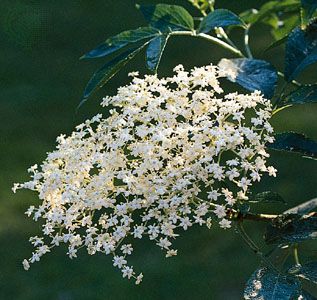
Because they are often grouped together as the common or black elderberry, they share many fundamental characteristics, such as their status as deciduous shrubs or small trees with pinnately compound leaves and clusters of small, yellowish-white flowers. However, their primary distinction lies in their native geographic ranges—Eurasia for the European variety and North America for the American variety—and the specific cultivated varieties that have been developed for commercial and home use in those respective regions.1
How can elderberry plants be cultivated in home gardens, and what care do they require?
Cultivating elderberry plants in a home garden requires selecting a suitable species, such as the horticulturally significant Sambucus nigra, which is well-adapted to temperate climates. These plants are typically grown as deciduous, multi-trunked shrubs or small trees.
When planning your garden, consider the following:
- Site Selection: Elderberries thrive in temperate environments. Because they can become naturalized and potentially act as invasive species outside of their native range, it is important to choose a location where their spread can be managed.
- Growth Habits: Depending on the species, these plants can vary significantly in size. For instance, while most are shrubs or small trees, the danewort is a smaller, herbaceous perennial. Ensure you have adequate space for the specific variety you select.
- Maintenance: While the provided information highlights their use as garden shrubs and their ability to provide food for wildlife, gardeners should be aware that elderberries are valued for their flowers and berries, which can be harvested for culinary uses like jellies, pies, and syrups.
Sources
- Elderberry — Encyclopædia Britannica
Published on · 3 min read