Indian Gooseberry
The Indian gooseberry (Phyllanthus emblica), also known as amla, is a medium-sized tree in the family Phyllanthaceae native to tropical and subtropical…
What is Indian gooseberry?
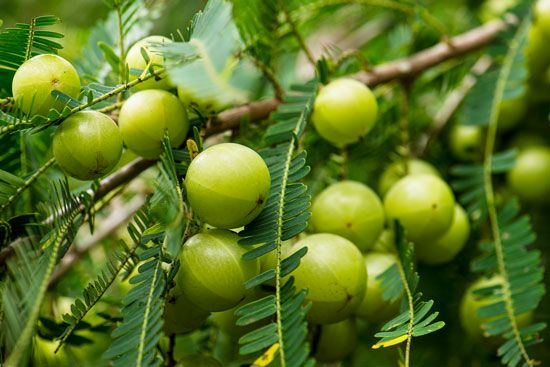
The Indian gooseberry (Phyllanthus emblica), also known as amla, is a medium-sized tree in the family Phyllanthaceae native to tropical and subtropical regions of Asia. It is highly valued for its edible fruit and its long-standing role in traditional medical systems such as Ayurveda, Unani, and Siddha.1
The fruit is round, smooth, and pale green to yellowish, characterized by distinct vertical grooves and a strongly sour, astringent taste with bitter and sweet notes. Nutritionally, it is rich in vitamin C and contains polyphenols, including tannins and flavonoids, which function as antioxidants to protect cells from damage.21
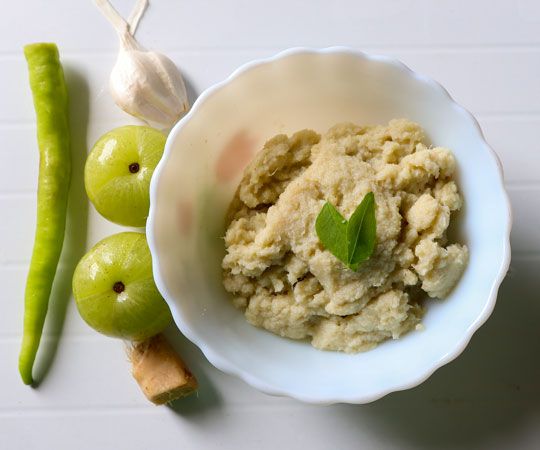
In culinary traditions, the fruit is commonly used in chutneys, preserves, and beverages. Beyond food, it is used in traditional medicine as a rasayana (rejuvenating tonic) and is a key ingredient in the Ayurvedic preparation known as triphala. Modern research continues to investigate its potential health benefits, including anti-inflammatory and immune-supporting properties.1
What is the significance of triphala in Ayurvedic medicine?
The provided search results do not contain information regarding the significance of triphala in Ayurvedic medicine. While the text mentions Ayurveda as a traditional system of Indian medicine that prioritizes herbal treatment, it does not detail the specific role or composition of triphala.
How do antioxidants like those in amla protect human cells?
The Indian gooseberry, or amla, contains natural plant chemicals known as polyphenols, which include tannins and flavonoids. These compounds function as antioxidants, which are essential for protecting human cells from damage.1
In a biological context, antioxidants help the body manage oxidative stress by terminating oxidative chain reactions. These reactions are often driven by free radicals—molecular fragments with unpaired electrons that can cause cellular harm. By reacting with these chain carriers, antioxidants effectively neutralize them, thereby preventing the progression of damage. Furthermore, specific polyphenols like tannins found in the fruit are noted for their ability to help extend the release of vitamin C within the body, further supporting its protective role. Modern research suggests that this antioxidant activity may contribute to broader health benefits, including anti-inflammatory, immune-supporting, and liver-protective effects.125
What are some other fruits commonly used in South Asian cuisine?
South Asian cuisine incorporates a wide variety of fruits, which are utilized in both savory and sweet preparations, including chutneys, pickles, and main dishes.
Key fruits commonly used in the region include:
- Mango: One of the most significant fruits in South Asia, it is enjoyed both ripe and raw. Raw mango is frequently used for pickling or in drinks to prevent dehydration, while ripe mango is eaten fresh or used in jams, jellies, and syrups.6
- Tamarind: Known for its sweet and sour pulp, this fruit is a staple ingredient in many South Asian dishes, particularly in the south, where it is a key component of sambhar, a traditional lentil-based stew.78
- Jackfruit: This large fruit is highly versatile; the unripe, green fruit is often cooked as a vegetable, while the ripened fruit is eaten fresh for its sweet pulp. The seeds are also cooked and consumed locally.9
- Pomegranate: The juicy arils of this fruit are eaten fresh, and its juice is used to create grenadine syrup for flavoring.10
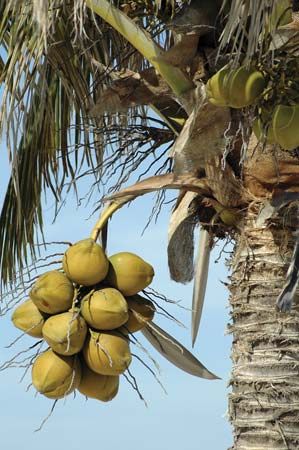
- Coconut: Frequently used in chutneys and as a base for various culinary preparations, coconut is a common element in many regional Indian cuisines.118
Sources
- Indian gooseberry: Top Questions — Encyclopædia Britannica
- Indian gooseberry — Encyclopædia Britannica
- Phyllanthus — Encyclopædia Britannica
- Siddha medicine — Encyclopædia Britannica
- antioxidant — Encyclopædia Britannica
- chutney — Encyclopædia Britannica
- Mango — Encyclopædia Britannica
- tamarind — Encyclopædia Britannica
- jackfruit — Encyclopædia Britannica
- tamarind — Merriam-Webster
- Pomegranate — Encyclopædia Britannica
- list of culinary fruits — Encyclopædia Britannica
- Indian cuisine - Cuisines across India — Encyclopædia Britannica
Published on · 3 min read