Dragonhead
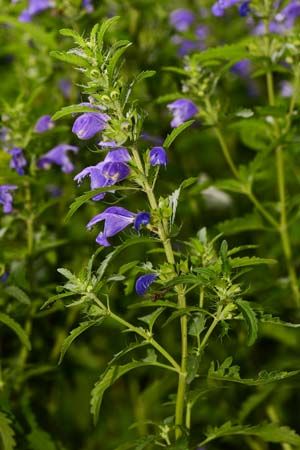
The term "dragonhead" refers to the genus Dracocephalum, which includes approximately 70 species of plants in the mint family. While these plants are widely…
How is the dragonhead plant cultivated and cared for in gardens?
The term “dragonhead” refers to the genus Dracocephalum, which includes approximately 70 species of plants in the mint family. While these plants are widely cultivated as ornamentals for their distinctive, two-lipped flowers that resemble dragon heads, the provided information does not contain specific horticultural instructions regarding their cultivation, soil requirements, or garden care.
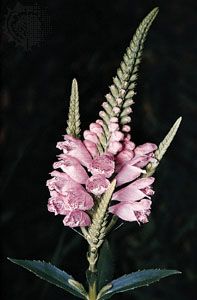
It is important to note that the false dragonhead (genus Physostegia), such as the obedient plant, is a separate group of plants native to North America and should not be confused with the true Dracocephalum species.
Because the available data focuses on the botanical classification and physical characteristics of these plants rather than their maintenance, I cannot provide specific gardening advice at this time.
Where is the dragonhead plant native to, and in what conditions does it thrive?
The genus Dracocephalum, commonly known as dragonhead, is primarily native to temperate regions of Eurasia. The notable exception is the American dragonhead (Dracocephalum parviflorum), which is native to North America.1
These plants are generally perennial and belong to the mint family. They exhibit a variety of growth habits, ranging from prostrate to erect, and are characterized by square stems with oppositely arranged or whorled leaves. While they are frequently cultivated as ornamentals for their distinctive, two-lipped flowers that resemble dragon heads, the provided information does not specify the precise environmental conditions required for them to thrive.1
It is important to distinguish these from the false dragonheads (Physostegia), a separate genus of 12 species native to North America, such as the obedient plant.1
What is the scientific name of the dragonhead plant and what family does it belong to?
The scientific name of the dragonhead plant is Dracocephalum, which is a genus comprising approximately 70 species of plants. These plants belong to the mint family, scientifically known as Lamiaceae.1
How does the dragonhead plant compare to other herbs in the mint family?
The dragonhead plant (Dracocephalum) shares several fundamental botanical traits with other members of the mint family (Lamiaceae), including square stems, oppositely arranged leaves, and tubular, two-lipped flowers.132
However, dragonheads are primarily distinguished by their unique floral morphology, where the shape of the corolla resembles the head of a dragon. While many other mint family members are widely cultivated for their aromatic essential oils—such as peppermint, basil, and rosemary—dragonheads are typically grown as ornamentals for their attractive, colorful flowers.143
Unlike some highly aromatic or culinary-focused herbs in the family, the primary appeal of the Dracocephalum genus lies in its aesthetic contribution to gardens. Additionally, while many mints are known for their aggressive spreading habits via stolons or rhizomes, dragonheads are generally categorized as perennial plants with a variety of growth habits, ranging from prostrate to erect.13
Sources
- Dragonhead — Encyclopædia Britannica
- Dracocephalum — Merriam-Webster
- Lamiales - Lamiaceae — Encyclopædia Britannica
- list of plants in the family Lamiaceae — Encyclopædia Britannica
Published on · 2 min read