Environmental Toxicology
Environmental toxicology is a multidisciplinary field within the environmental sciences focused on assessing, monitoring, and understanding the impact of…
What is environmental toxicology?
Environmental toxicology is a multidisciplinary field within the environmental sciences focused on assessing, monitoring, and understanding the impact of toxic substances on the environment and its ecosystems.1
While rooted in toxicology—the study of poisons and their effects on living systems—this field integrates principles from biochemistry, genetics, and cell biology to examine how toxins behave, move, and affect both biotic and abiotic components of nature. Key areas of study include:12
- Assessment: Determining how toxins interact with organisms at the cellular and genetic levels to establish safe exposure limits.1
- Monitoring: Using biochemical markers or indicator species to detect the presence of pollutants in air, water, and soil.1
- Fate and Impact: Investigating the metabolism of toxins and their long-term consequences on food chains and environmental health.1
The field gained prominence following the 1962 publication of Rachel Carson’s Silent Spring, which highlighted the devastating ecological side effects of chemical pollutants.1
What are toxins and how do they enter the environment?
A toxin is a substance that can injure or kill a living organism through chemical action. In the context of the environment, these substances—often referred to as environmental toxins or pollutants—are introduced into the air, water, and soil through various human activities and natural events.3456
How Toxins Enter the Environment
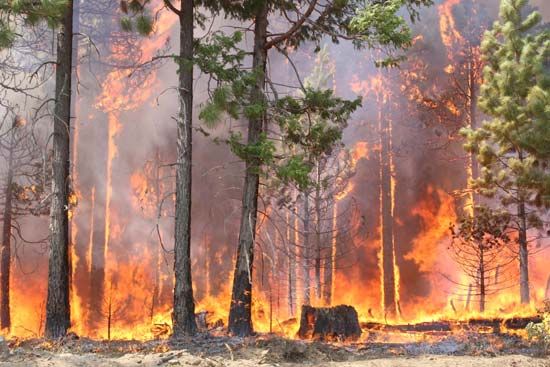
Toxins enter the environment through both anthropogenic (human-made) and natural sources. While natural events like volcanoes and forest fires contribute to pollution, the term generally refers to contaminants resulting from human activity.5
- Industrial and Commercial Processes: Many toxins are released as byproducts of manufacturing, mining, and energy production. This includes the discharge of industrial waste, such as heavy metals, chlorinated solvents, and petroleum products.478
- Agricultural Activities: The use of pesticides, herbicides, and fertilizers introduces chemicals into the soil and water. Excess nutrients from fertilizers can leach into groundwater, while agricultural runoff acts as a major dispersed source of water pollution.798
- Transportation and Infrastructure: Vehicle exhaust, oil tanker spills, and urban stormwater drainage—which carries petroleum residues and road chemicals—are significant pathways for toxins to enter ecosystems.9810
- Waste Management: Improper disposal, such as landfill leakage and waste incineration (which can release dioxins), serves as a persistent source of environmental contamination.795
Once released, these substances may be transported through the air, water, or soil, where they can accumulate in the food chain and disrupt the balance of ecosystems.951
How can environmental toxins affect plants, animals, and people?
Environmental toxins exert profound and often devastating effects on plants, animals, and humans by disrupting biological processes, damaging genetic material, and altering ecosystem stability.11112
Impacts on Animals and Wildlife
Animals are highly susceptible to toxins, which can cause reproductive, developmental, and neurological harm.1112
- Reproductive Disruption: Many chemicals act as endocrine disruptors, interfering with hormones. For example, exposure to atrazine has been linked to the development of intersex characteristics in amphibians, while substances like PCBs and PBDEs can reduce sperm viability in males.11
- Developmental and Neurological Damage: Toxins can impair brain development and learning. In birds, the bioaccumulation of pesticides like DDT historically caused eggshell thinning, leading to population collapses in species such as the bald eagle.1312
- Systemic Toxicity: High-level exposure can compromise immune systems, cause physical deformities, and lead to death.111214
Impacts on Humans
Human health is affected primarily through dietary ingestion, environmental contact, and exposure to industrial byproducts.14
- Chronic Health Conditions: Long-term exposure to toxins is associated with cancer, birth defects, liver disease, and neurological disorders.1214
- Bioaccumulation: Persistent pollutants, such as dioxins and mercury, accumulate in fatty tissues. The Minamata disease tragedy in Japan demonstrated how mercury-contaminated seafood caused severe neurological damage and developmental disabilities in children exposed in utero.1314
Impacts on Plants and Ecosystems
- Habitat Destruction: Toxins can overwhelm natural restorative processes, destroying habitats and reducing populations of sensitive species.12
- Genetic and Cellular Damage: Some plants and fungi produce their own toxins as defense mechanisms, but environmental pollutants can induce mutations in various organisms by causing cell death and forcing rapid, error-prone cell division.15
What are some common examples of environmental pollutants?
Environmental pollutants are substances that contaminate the air, water, and soil, often causing significant harm to ecosystems and human health. They are frequently categorized based on their chemical properties, persistence, and origin.1718
Persistent Organic Pollutants (POPs) and PBTs
Many of the most dangerous pollutants are classified as persistent organic pollutants (POPs) or persistent bioaccumulative toxins (PBTs). These substances resist degradation, meaning they linger in the environment for decades and can accumulate in the fatty tissues of living organisms.1719
- Pesticides: Chemicals such as DDT, aldrin, chlordane, and heptachlor are notorious for their environmental persistence.171920
- Industrial Chemicals: Polychlorinated biphenyls (PCBs), used in plastics and electrical equipment, and industrial by-products like dioxins and furans are major contaminants.1719
- Heavy Metals: Elements such as lead, mercury, arsenic, and cadmium are toxic substances that persist in the environment.17
Particulate Matter
Particulate matter consists of tiny solid or liquid particles suspended in the air, such as dust, soot, and smoke. These are often classified by size, such as PM${10}$ and PM${2.5}$, and are generated by fossil-fuel combustion, industrial processes, and wildfires.18
Microplastics
Microplastics—plastic pieces smaller than 5 mm—are a pervasive form of pollution. They originate from the breakdown of larger plastic waste or are released directly as primary microplastics, such as microbeads in personal care products or synthetic fibers from clothing.21
Sources
- environmental toxicology — Encyclopædia Britannica
- water pollution: Top Questions — Encyclopædia Britannica
- toxicology — Encyclopædia Britannica
- soil - Xenobiotic chemicals — Encyclopædia Britannica
- Bioaccumulation - Routes of exposure and fate within living systems — Encyclopædia Britannica
- pollution — Encyclopædia Britannica
- environmental toxin — Merriam-Webster
- toxin — Merriam-Webster
- water pollution - Types and sources of water pollutants — Encyclopædia Britannica
- air pollution - Major air pollutants — Encyclopædia Britannica
- endocrine disruptor - Health and environmental effects — Encyclopædia Britannica
- Bioaccumulation - Effects of bioaccumulation: Examples from history — Encyclopædia Britannica
- toxic waste - Costs — Encyclopædia Britannica
- dioxin — Encyclopædia Britannica
- human genetic disease - Plants , fungi , and bacteria — Encyclopædia Britannica
- poison - Frequency of exposure — Encyclopædia Britannica
- toxic waste - Types — Encyclopædia Britannica
- microplastics — Encyclopædia Britannica
- particulate matter — Encyclopædia Britannica
- Bioaccumulation - Substances that bioaccumulate — Encyclopædia Britannica
- Agricultural technology - Chemicals — Encyclopædia Britannica
Published on · 4 min read