Eupatorium
The Eupatorium genus consists of approximately 60 species of plants within the Asteraceae family. These plants are primarily native to temperate regions of…
How many species are included in the Eupatorium genus, and what are some notable examples?
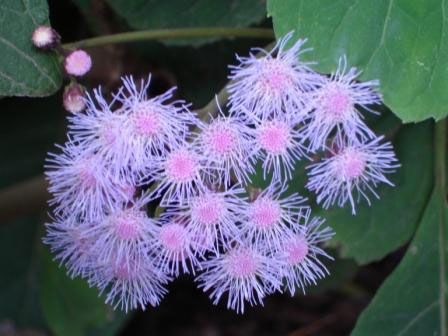
The Eupatorium genus consists of approximately 60 species of plants within the Asteraceae family1. These plants are primarily native to temperate regions of the Northern Hemisphere, though they are also found in Mexico, the West Indies, and tropical South America.1
A notable example is boneset (Eupatorium perfoliatum), which is widely distributed across Canada and the United States. This perennial herb can reach heights of 1.5 meters (5 feet) and is characterized by its clusters of white flowers. Many members of the genus are valued as ornamental plants, and several have a history of use in folk medicine.1
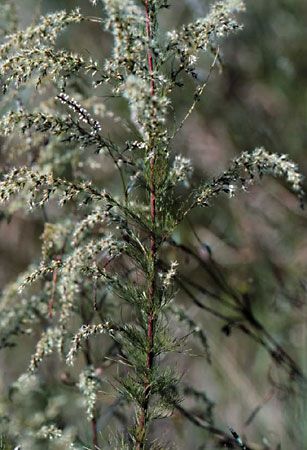
How are Eupatorium plants used in gardening and landscaping?
In gardening and landscaping, several species within the Eupatorium genus are cultivated as ornamental plants. These plants are valued for their large, showy clusters of flowers, which can appear in shades of purple, pink, blue, or white.
While the genus includes a variety of growth habits—ranging from perennial herbs to shrubby or treelike forms in tropical regions—gardeners often select them for their aesthetic appeal in temperate landscapes. Beyond their use as ornamentals, some members of the genus have a historical background in folk medicine.
What are the traditional medicinal uses of Eupatorium plants?
Traditional medicinal uses of plants within the Eupatorium genus are most notably associated with the species known as boneset (Eupatorium perfoliatum).
Historically, this plant has been utilized in folk medicine in the following ways:
- Fever Reduction: A tea prepared from the plant has been traditionally used as a remedy to treat fevers.4
- Bone Healing: The common name “boneset” originates from the traditional practice of wrapping the plant’s leaves around broken bones to promote the healing process.4
While these practices are documented in historical folk traditions, it is important to note that the efficacy and safety of these applications should be evaluated through modern scientific standards.
Are there any Eupatorium species that are considered invasive or problematic in certain regions?
While some plants formerly classified within the Eupatorium genus are considered highly problematic, it is important to clarify that their classification has changed.
The most notable example is white snakeroot, which was previously placed in the genus Eupatorium but is now classified as Ageratina altissima. This plant is not merely invasive but is significantly toxic. It contains a poisonous alcohol known as tremetol; when cattle graze on the plant, they can develop a condition called the trembles. Humans who consume the milk from these affected animals can suffer from milk sickness, a potentially fatal condition that historically caused thousands of deaths among settlers in the American Midwest.6
Because of its toxicity, white snakeroot poses a serious danger to both livestock and humans, making it a plant that requires careful management and awareness in regions where it grows.6
Sources
- Eupatorium — Encyclopædia Britannica
- eupatory — Merriam-Webster
- spurge — Encyclopædia Britannica
- boneset — Encyclopædia Britannica
- boneset — Merriam-Webster
- white snakeroot — Encyclopædia Britannica
Published on · 2 min read