Exuma Cays
The Exuma Cays are a significant component of the Bahamian landscape, serving as a vital hub for the nation's tourism industry, which is the primary driver…
What role do the Exuma Cays play in Bahamian tourism and economy?
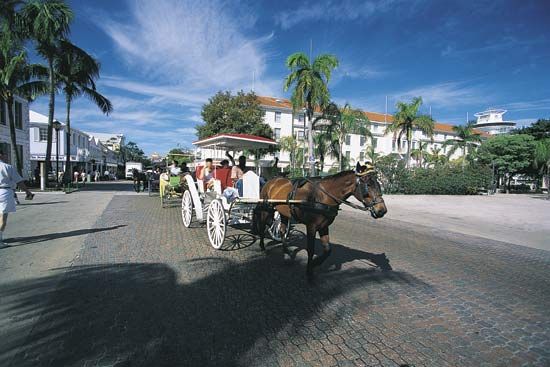
The Exuma Cays are a significant component of the Bahamian landscape, serving as a vital hub for the nation’s tourism industry, which is the primary driver of the local economy.1
Beyond their economic importance, these islands are valued for their ecological preservation. The Exuma Cays Land and Sea Park, established in 1958, protects a vast area of 176 square miles. This park is dedicated to the conservation of underwater reefs and uninhabited cays, providing a unique environment for exploration and environmental stewardship. While the region historically relied on cotton plantations during the 18th century, that industry proved unsustainable, leading to the modern shift toward a tourism-based economic model.1
How do the Exuma Cays differ from other island groups in the Bahamas?
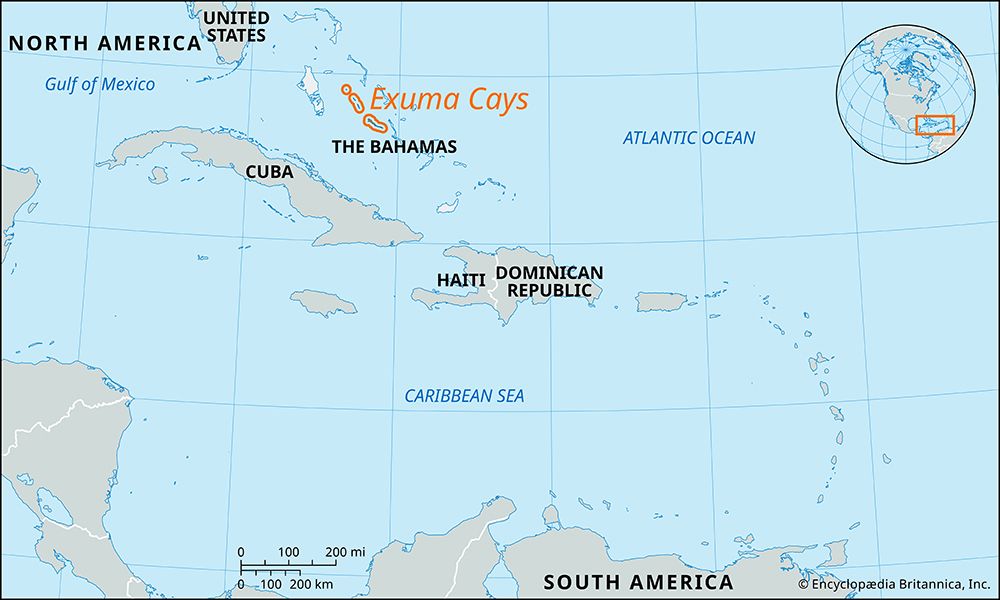
The Exuma Cays are distinct from other island groups in The Bahamas primarily due to their unique geography and focus on conservation. While other regions like New Providence Island serve as major population and administrative centers, the Exuma Cays consist of a chain of approximately 365 cays and islands that stretch in a gently curving arc for about 90 miles (145 km) southeast of Nassau.12
A defining characteristic of this group is the Exuma Cays Land and Sea Park. Established in 1958, this protected area covers 176 square miles (456 square km) and is specifically dedicated to preserving underwater reefs and uninhabited cays, setting it apart from more developed or densely populated island groups. While islands like Great Exuma share a history of 18th-century loyalist settlement and failed cotton plantations, the modern identity of the Exuma Cays is defined by this emphasis on environmental stewardship alongside a tourism-driven economy.1
Are there any unique cultural traditions or events associated with the Exuma Cays?
The provided information does not detail specific cultural traditions or events unique exclusively to the Exuma Cays. However, the islands participate in broader Bahamian cultural practices, such as the annual hosting of sailing regattas and fishing tournaments, which are common across most inhabited islands in The Bahamas.1
While the Exuma Cays are historically significant for their 18th-century loyalist settlements and the subsequent transition from cotton plantations to a modern economy centered on tourism, the available records do not highlight distinct local festivals or cultural rites unique to this specific island chain.3
What are some of the most famous islands or attractions within the Exuma Cays?
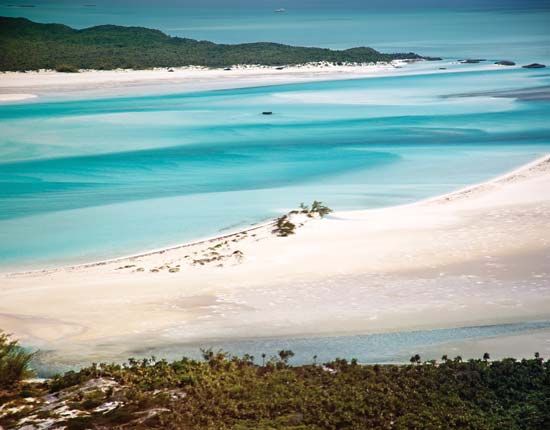
The Exuma Cays are a stunning chain of approximately 365 islands and cays in The Bahamas, renowned for their natural beauty and protected marine environments.
Key Locations and Attractions
- Exuma Cays Land and Sea Park: Established in 1958, this expansive protected area covers 176 square miles (456 square km). It is a premier destination for those looking to explore pristine underwater reefs and uninhabited cays, serving as a vital sanctuary for marine life.12
- Great Exuma: As one of the primary inhabited islands, Great Exuma is central to the region’s history. It features remnants of 18th-century loyalist settlements and former cotton plantations, offering a glimpse into the colonial past of the West Indies.1
- Little Exuma: Along with Great Exuma, this island serves as a main hub for the local population and provides access to the broader island chain.1
The region is widely celebrated for its clear waters and coral gardens, which attract visitors for snorkeling, diving, and sailing.2
Sources
- Exuma Cays — Encyclopædia Britannica
- list of islands - The Bahamas — Encyclopædia Britannica
- The Bahamas - Sports and recreation — Encyclopædia Britannica
Published on · 3 min read