Zealand
It is important to clarify that the island of Zealand is a major region of Denmark, distinct from the country of New Zealand, which is located in the…
How does Zealand contribute to Denmark’s agricultural production?
It is important to clarify that the island of Zealand is a major region of Denmark, distinct from the country of New Zealand, which is located in the southwestern Pacific Ocean.12
On the Danish island of Zealand, the landscape is characterized by thick morainic deposits that create a gently undulating terrain. The island contributes significantly to Denmark’s agricultural output through its fertile clay loams, which are particularly productive in the southern regions. These areas support:1
- Grain production: The cultivation of various cereals is a primary agricultural activity.1
- Livestock farming: The region is noted for its dairy farming and cattle breeding operations.1
These activities align with Denmark’s broader national agricultural focus, where soil remains a vital raw material and the majority of cultivated land is dedicated to cereals, such as wheat and barley, alongside intensive livestock production. Additionally, Zealand maintains close social and agricultural ties with neighboring islands like Falster, which also contributes to the region’s agricultural output through the cultivation of sugar beets and grain.34
How has Zealand’s coastline shaped its development and importance to Denmark?
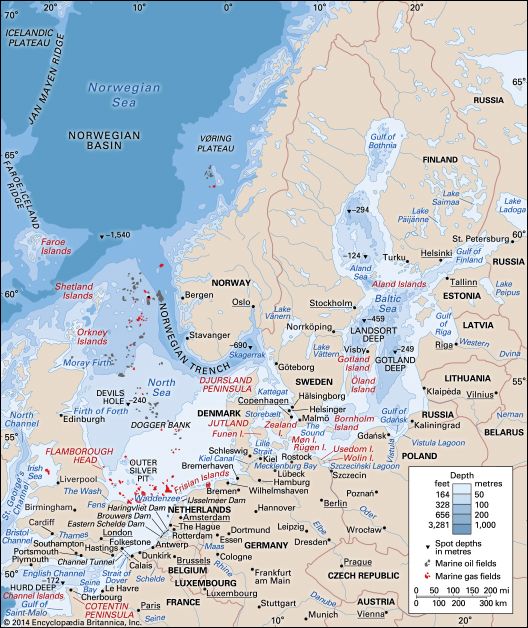
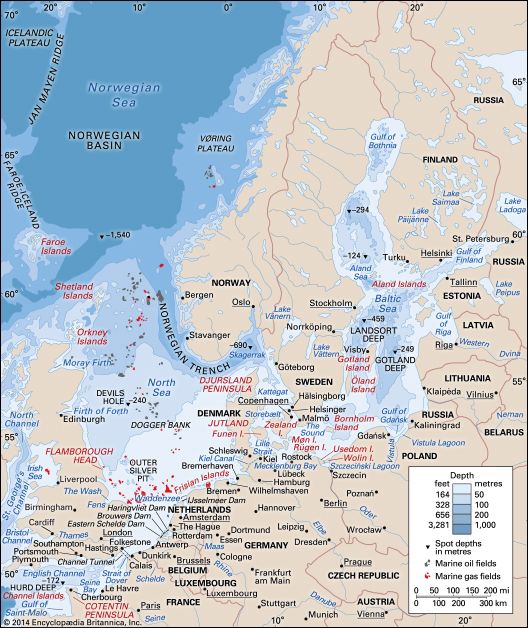
Zealand’s irregular coastline and strategic position between the Kattegat and the Baltic Sea have been fundamental to its development and national importance.
Strategic Maritime Control
The island’s eastern coast borders The Sound, one of the world’s busiest sea-lanes. Historically, control of this strait allowed Denmark to exert significant economic and political influence by levying tolls on all shipping passing between the Baltic and the North Sea. The coastal fortress of Kronborg at Helsingør served as a key site for enforcing these tolls until 1857.16
Urban and Economic Growth
The coastline facilitated the rise of Copenhagen, which began as a small village and grew into a major power due to its harbor. Its name, meaning “Merchants’ Harbor,” reflects its origins in the profitable Baltic herring trade. Today, the capital’s waterfront remains central to the economy, serving as a major cruise port and a hub for trade and services.78
Infrastructure and Recreation
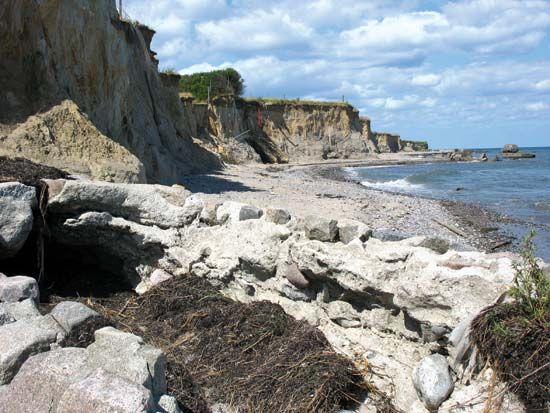
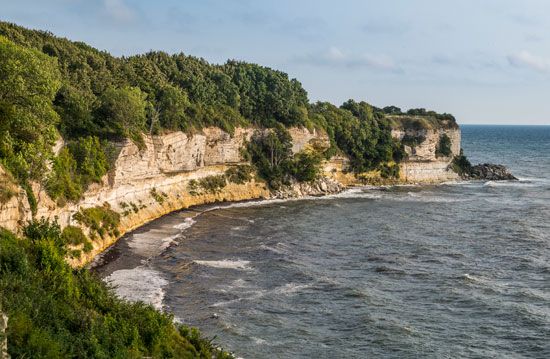
Modern development has further leveraged the coast through the Øresund Link, which connects Zealand to Sweden, fostering regional growth. Additionally, the island’s diverse coastline—ranging from the chalk cliffs at Stevns Klint to the fine resort beaches in the north—supports a vital tourism industry.16
What is the geographical location and size of Zealand in relation to Denmark?
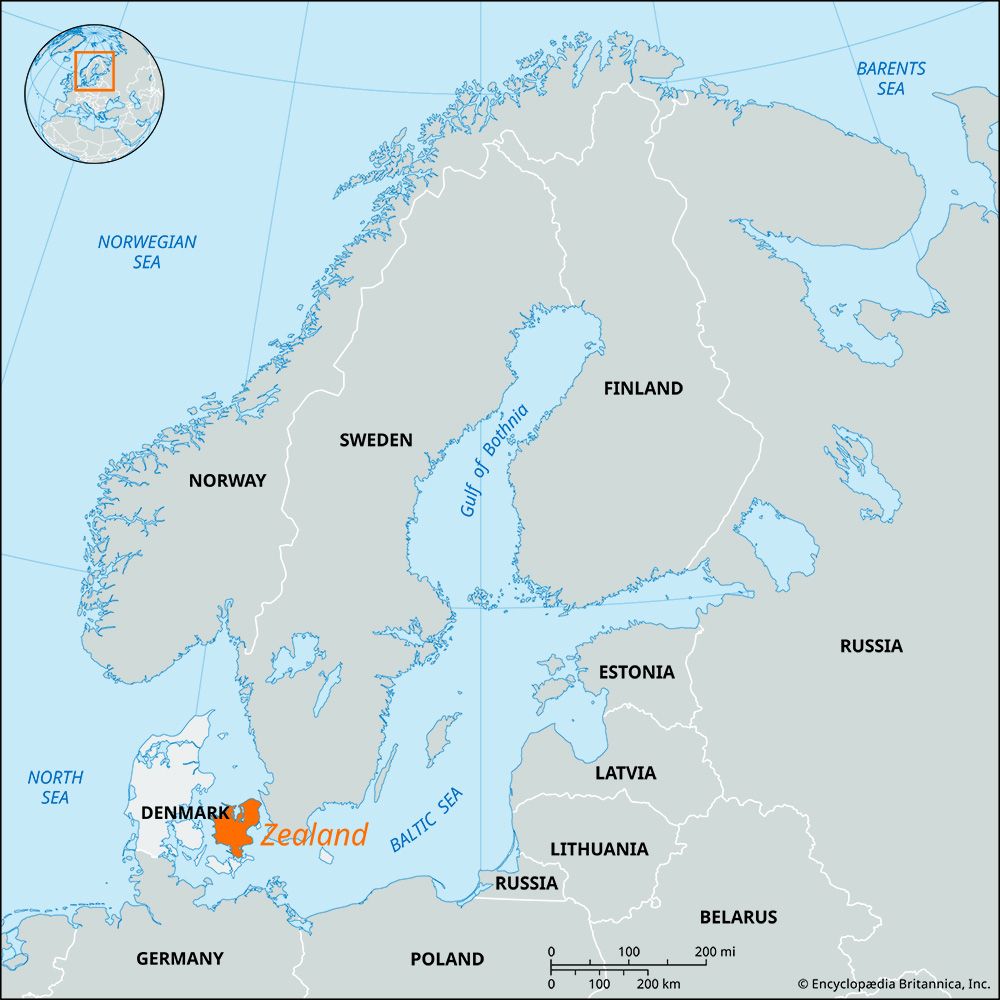
Zealand is the largest and most populous island of Denmark. It is situated between the Kattegat and the Baltic Sea, occupying a strategic position separated from Sweden by The Sound (Øresund) and from the island of Funen by the Great Belt.1
In terms of physical scale, Zealand covers an area of 2,715 square miles (7,031 square km).1
What role does Zealand play in Denmark’s economy and transportation network?
Zealand serves as the economic and transportation heart of Denmark, primarily due to its role as the home of the capital city, Copenhagen.110
Economic Importance
The island is a vital hub for Denmark’s service-oriented economy. Copenhagen’s harbor functions as a major cruise port and center for international trade. Beyond the capital, Zealand’s fertile landscape supports significant agricultural production, including grains, dairy farming, and cattle breeding. The island also benefits from a robust tourism industry, bolstered by historical sites, resort beaches, and cultural attractions like the Tivoli gardens.12131
Transportation Network
Zealand is central to Denmark’s connectivity, serving as a gateway to the rest of Scandinavia:
- Fixed Links: The Great Belt Fixed Link connects Zealand to the island of Funen, while the Øresund Link provides a critical bridge-and-tunnel connection to Malmö, Sweden.113
- Aviation: Kastrup Airport, located near Copenhagen, is one of Europe’s busiest hubs for international air traffic.13
- Urban Transit: The island features an extensive rail and road network, including an automated subway system in Copenhagen that began operations in 2002.13
Sources
- Zealand — Encyclopædia Britannica
- Denmark - Agriculture and fishing — Encyclopædia Britannica
- Denmark - Settlement patterns — Encyclopædia Britannica
- Falster — Encyclopædia Britannica
- New Zealand - Agriculture, forestry, and fishing — Encyclopædia Britannica
- Lolland — Encyclopædia Britannica
- The Sound — Encyclopædia Britannica
- Øresund — Merriam-Webster
- Copenhagen — Encyclopædia Britannica
- Denmark - Services — Encyclopædia Britannica
- list of islands - Denmark — Encyclopædia Britannica
- Denmark - Trade — Encyclopædia Britannica
- Denmark - Transportation and telecommunications — Encyclopædia Britannica
- New Zealand - Transportation and telecommunications — Encyclopædia Britannica
- Denmark: Top Questions — Encyclopædia Britannica
Published on · 3 min read