Finnish Spitz
The Finnish Spitz shares the defining physical characteristics of the spitz group, including a foxlike head, erect pointed ears, a dense double coat, and a…
How does the Finnish Spitz compare to other spitz-type dog breeds?
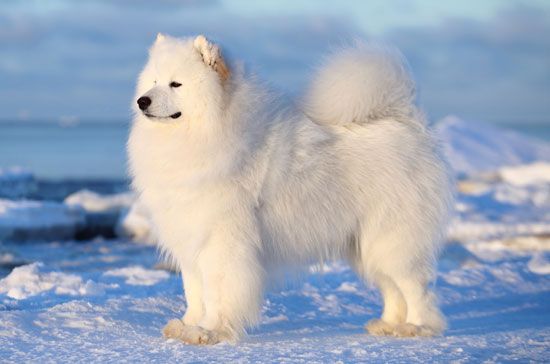
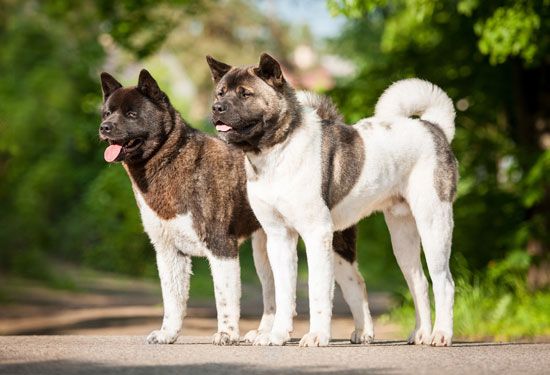
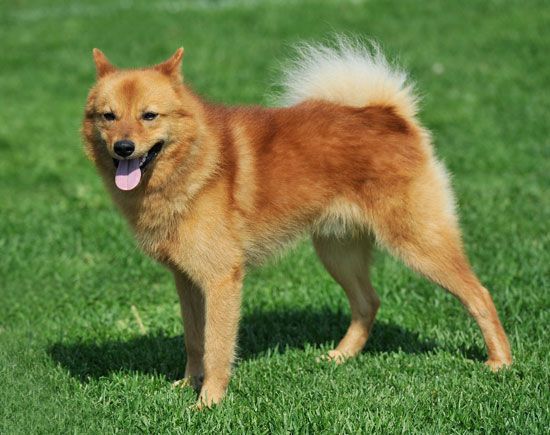
The Finnish Spitz shares the defining physical characteristics of the spitz group, including a foxlike head, erect pointed ears, a dense double coat, and a tail that curls over the back. These traits, common to many northern-type dogs like the Samoyed or Akita, evolved to provide insulation and protection in cold climates.12
However, the Finnish Spitz is distinct in its specific purpose and behavior. While many spitz breeds were historically developed for tasks like sled pulling or guarding, the Finnish Spitz is a specialized hunting dog known as the “barking bird dog”. Unlike some quieter spitz breeds, it is famously vocal, using a unique “yodeling” bark to signal the location of game to hunters.12
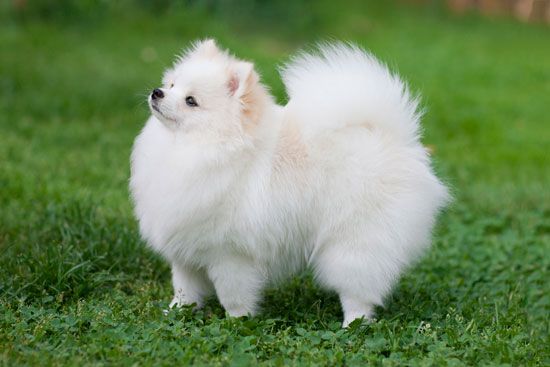
In terms of size, the Finnish Spitz is a medium-sized breed, weighing 25 to 30 pounds, which places it between smaller spitz varieties like the Pomeranian and larger working breeds like the Alaskan Malamute. While it remains a sporting dog in Finland, it is primarily kept as a companion elsewhere.12
What is the Finnish Spitz’s role in Finnish culture and tradition?
The Finnish Spitz holds a significant place in its native country as the national breed of Finland. Its cultural and traditional importance is deeply rooted in its historical role as a specialized sporting dog, a function it continues to perform today.1
Known as the “barking bird dog,” the breed is celebrated for its unique hunting style, where it uses a continuous “yodeling” bark to alert hunters to the location of game birds. This behavior is not merely a trait but a functional tradition that has defined the breed’s relationship with Finnish hunters for generations. A breed standard for the dog has been maintained in Finland since 1812, reflecting the long-standing value placed on preserving its specific characteristics and working abilities. While the breed serves primarily as a companion in other parts of the world, its identity remains inextricably linked to its heritage as a skilled and vocal hunting partner in the Finnish wilderness.1
How does the Finnish Spitz perform as a hunting dog?
The Finnish Spitz is a highly specialized sporting dog that performs its role through a unique hunting technique. Often nicknamed the “barking bird dog,” it is specifically valued for its ability to locate game birds in the wild and signal their position to the hunter.1
Rather than flushing or retrieving game, the dog uses a distinctive, continuous “yodeling” bark to alert the hunter to the bird’s location. This vocal behavior is a hallmark of the breed’s hunting style, allowing the hunter to approach the game while the dog remains focused on the target. Because of this, the breed is known as a “talker” that communicates its findings through persistent, rhythmic barking. While the breed continues to serve as a functional hunting dog in its native Finland, it is primarily kept as a companion animal in other regions, such as the United States, where it is classified in the Non-Sporting group.1
Are Finnish Spitz dogs good with children and other pets?
The Finnish Spitz is generally characterized by a lively and alert disposition. Regarding their temperament with family and other animals, the broader group of spitz breeds—to which the Finnish Spitz belongs—tends to be loyal and affectionate.12
Most spitz breeds are considered gentle and trustworthy around people of all ages. While they can generally coexist well with other dogs and cats, especially if they are raised together, some spitzes may exhibit a strong prey drive or be suspicious of strangers. Because the Finnish Spitz is a “talker” that communicates through frequent barking, potential owners should be prepared for a vocal companion.21
It is important to note that these are general characteristics, and individual temperaments can vary significantly. As with any breed, early socialization and consistent training are key to ensuring a positive environment for children and other pets.
Sources
- Finnish spitz — Encyclopædia Britannica
- spitz — Encyclopædia Britannica
Published on · 3 min read