Akita
While the term "Akita" is often used broadly, it is important to clarify that there is only one breed recognized as the Akita. However, the breed is…
What are the different types of Akitas, and how do they differ?
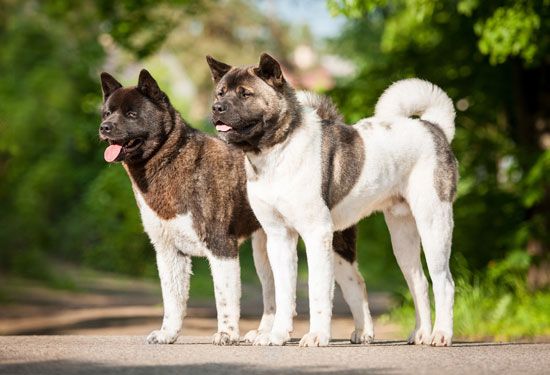
While the term “Akita” is often used broadly, it is important to clarify that there is only one breed recognized as the Akita. However, the breed is sometimes referred to by other names, such as the American Akita or the Great Japanese Dog, reflecting its history and development.1
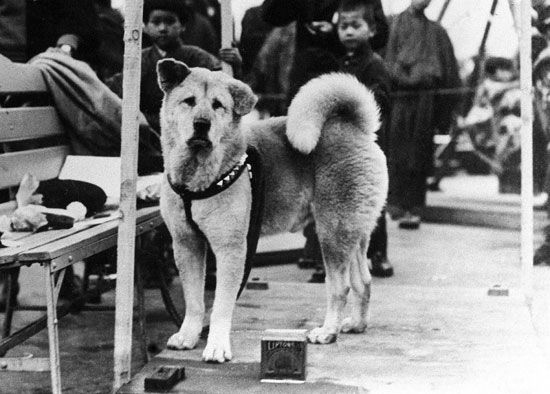
Originating in the mountains of northern Japan, the Akita was designated a “natural monument” by the Japanese government in 1931. The breed is a powerful working dog characterized by a broad head, erect pointed ears, and a large, curled tail. They are known for being alert, courageous, and deeply devoted to their families, though they can be aloof or suspicious toward strangers.1
Because of their strength and independent, strong-willed nature, they are generally considered challenging for children or the elderly to manage and may exhibit aggression toward other dogs. They require consistent exercise and are best suited for cooler climates, as they are prone to overheating.1
What kind of training is recommended for Akita puppies?
Training an Akita puppy requires patience and consistency, as the breed is known for its strong-willed and independent nature. While Akitas are relatively intelligent and capable of learning, they are not always eager to perform, which can make them challenging to train compared to more biddable breeds.1
To foster a well-behaved dog, owners should focus on:
- Early Socialization and Obedience: Because Akitas are naturally protective and can be suspicious of strangers or aggressive toward other dogs, early and consistent training is essential to manage their temperament.1
- Mental Stimulation: Beyond basic obedience, Akitas thrive when given mental challenges. Engaging them in dog sports such as agility, nose work, and tracking can be highly effective for channeling their energy and intelligence.1
- Positive Reinforcement: Given their independent spirit, training should be firm yet fair. Owners should be prepared for a dog that may question commands rather than follow them blindly.1
Because of their size and strength, it is important to establish leadership early, as they can be difficult for children or the elderly to manage if not properly trained.1
Where did the Akita breed originate, and what was its original purpose?
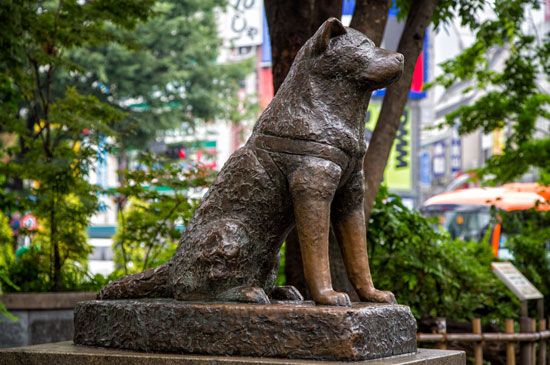
The Akita breed originated in the mountains of northern Japan, specifically within the Akita prefecture. In 1931, the Japanese government officially recognized the breed’s cultural significance by designating it a “natural monument.”1
Historically, the Akita was employed as a hunting and fighting dog. Over time, the breed’s role has evolved, and today they are frequently trained for police and guard work, reflecting their alert, courageous, and protective nature.1
How do Akitas interact with children and other pets?
Akitas are known for being deeply devoted to their own families, but their temperament and physical strength require careful consideration when it comes to children and other pets.
- Interaction with Children: Due to their independence and significant size, Akitas can be challenging for children to manage. While they are loyal to their inner circle, they are naturally protective and may occasionally misinterpret innocent play or actions as threats. Because of this, interactions should always be supervised to ensure safety.1
- Interaction with Other Pets: Akitas can be aggressive toward other dogs. While they are generally calm, their protective nature and strong-willed personality mean they are not always well-suited for households with multiple pets without proper management and socialization.1
It is important to remember that these traits are traditional generalizations about the breed, and the behavior of an individual dog can vary significantly. Because of their potential for being overly protective, early training and socialization are essential for any household.1
Sources
- Akita — Encyclopædia Britannica
Published on · 3 min read