Flea Beetle
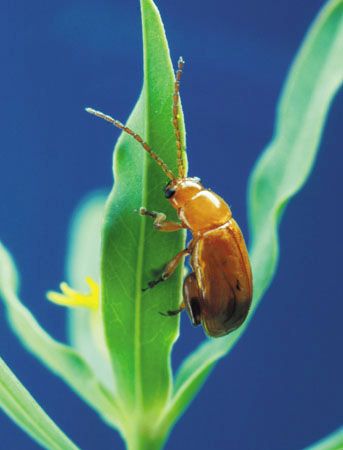
Flea beetles (subfamily Alticinae) primarily defend themselves against predators through their remarkable agility and ability to leap. Their enlarged…
How do flea beetles defend themselves against predators?
Flea beetles (subfamily Alticinae) primarily defend themselves against predators through their remarkable agility and ability to leap. Their enlarged hindlegs are specifically adapted for jumping, allowing them to quickly escape potential threats.12
While many other types of beetles utilize chemical defenses—such as foul-smelling secretions, toxic sprays, or mimicry—to deter predators, the primary defensive mechanism noted for flea beetles is their power of leaping.13
What role do flea beetles play in their ecosystem?
Flea beetles (subfamily Alticinae) function primarily as herbivores within their ecosystems, where they serve as consumers of various plant tissues. Both adults and larvae feed on plants, with adults typically consuming leaves and larvae feeding on roots.6
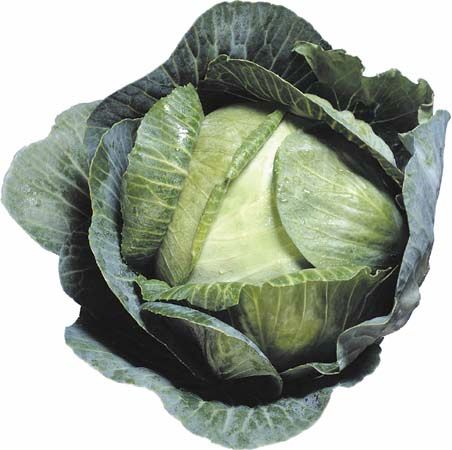
Because of their feeding habits, flea beetles are significant as pests of cultivated crops, including cabbage, tomatoes, and potatoes. Furthermore, some species act as vectors for plant diseases, such as early potato blight.6
Conversely, humans sometimes utilize specific flea beetles, such as Aphthona flava, as a form of biological control to manage invasive weeds like leafy spurge. Unlike some other members of the order Coleoptera that act as predators to control insect populations, flea beetles are generally categorized by their plant-feeding interactions.62
What are some common species of flea beetles?
There are many species of flea beetles (subfamily Alticinae), several of which are recognized as significant agricultural pests or tools for biological control. Some common species include:
- Grape flea beetle (Altica chalybea): A dark steel-blue beetle that feeds on grape buds and leaves.2
- Striped flea beetle (Phyllotreta striolata): A pest known for infesting cabbage and other brassicas, often identified by a yellow line on each wing cover.27
- Cucumber beetle (Epitrix cucumeris): Despite its name, this flea beetle species feeds on cucumber and melon vines.2
- Tobacco flea beetle (Epitrix hirtipennis): A species that specifically attacks tobacco plants.2
- Tomato flea beetle (Epitrix fuscula): Known for feeding on tomatoes and potatoes.2
- Aphthona flava: Unlike the pest species listed above, this beetle is used in the United States and Canada as a biological control agent to manage the invasive weed leafy spurge.2
What are the distinguishing characteristics of flea beetles?
Flea beetles (subfamily Alticinae) are a group of small leaf beetles characterized by several distinct physical and behavioral traits:
- Size and Appearance: They are tiny insects, typically measuring less than 6 mm (0.25 inch) in length. They often exhibit a dark or metallic coloration.10
- Jumping Ability: Their most defining feature is a pair of enlarged hind legs specifically adapted for leaping, which allows them to jump when disturbed.1110
- Feeding Habits: As herbivores, these beetles feed on plant tissues. Adults typically consume foliage, while the larvae feed on plant roots.10
- Agricultural Impact: Many species are recognized as significant agricultural pests because they damage cultivated crops. Additionally, some species can act as vectors for plant diseases, such as early potato blight as early potato blight.2
It is important to note that despite their name and jumping ability, flea beetles are entirely unrelated to true fleas, which are parasitic insects.10
Sources
- flea - Form and function — Encyclopædia Britannica
- Flea beetle — Encyclopædia Britannica
- Coleoptera - Protection — Encyclopædia Britannica
- Chemoreception - Predator chemical cues and prey escape — Encyclopædia Britannica
- Chemoreception - Defensive odors — Encyclopædia Britannica
- Coleoptera - As predators — Encyclopædia Britannica
- striped flea beetle — Merriam-Webster
- Tobacco - Diseases and pests — Encyclopædia Britannica
- Phyllotreta — Merriam-Webster
- flea beetle — Merriam-Webster
- flea - Life cycle — Encyclopædia Britannica
- Locomotion - Saltation — Encyclopædia Britannica
- Coleoptera - Adult features — Encyclopædia Britannica
- garden flea — Merriam-Webster
Published on · 2 min read