French Polynesia
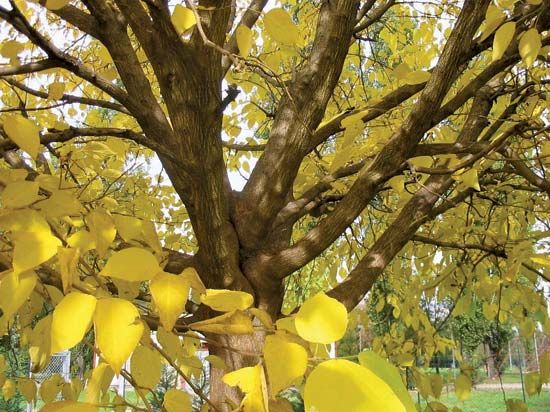
Due to the geographic isolation of French Polynesia, the islands possess limited variety in indigenous terrestrial flora and fauna. Most plant and animal…
What unique flora and fauna can be found in French Polynesia?
Due to the geographic isolation of French Polynesia, the islands possess limited variety in indigenous terrestrial flora and fauna. Most plant and animal species found there today were introduced by early Polynesians or later European settlers.1
Flora
Plant life varies significantly based on local conditions:
- Atolls: These limestone-based environments typically host xerophilous (desert-type) plants.1
- Volcanic Islands: These feature more diverse vegetation, including ferns on hills and plateaus, and rainforests in upper valley areas.1
- Coastal Plains: Coconut palms, breadfruit, and various tropical fruit trees flourish in these regions. Other common vegetation includes pandanus, hibiscus, and coffee.12
Fauna
The land fauna is particularly sparse, and there are no indigenous mammals. Introduced species include feral goats, pigs, horses, cattle, and rats. Freshwater streams contain a fish known as nato and various types of shrimp. In contrast, the marine life within the surrounding lagoons and seas is notably varied and plentiful, supporting industries such as the cultivation of black pearls from the black-lipped oyster (Pinctada margaritifera).13
What are some traditional Polynesian arts and crafts still practiced in French Polynesia?
Traditional Polynesian arts and crafts in French Polynesia have experienced a resurgence as the nation has placed greater emphasis on preserving its cultural heritage. While many traditional practices were suppressed following the arrival of missionaries in the late 18th century, several forms remain significant today.8
Traditional Arts and Crafts
- Tattooing: Once a central element of traditional culture, tattooing has seen a revival as a key expression of Polynesian identity.8
- Bark Cloth (Tapa): Historically, tapa was created by pounding the bark of the paper mulberry tree into sheets. These were used for clothing, such as loincloths and capes, and decorated with geometric patterns.910
- Textiles and Apparel: The pareu (or pareo), a traditional wraparound skirt, remains a staple of Polynesian dress.11
- Performance Art: Dancing, specifically the tamure, and music are vital components of the culture that have been revitalized in the modern era.8
- Woodworking and Sculpture: Historically, Polynesians were skilled in crafting canoes, weapons, and religious sculptures using stone and shell tools. While many freestanding art forms were lost due to the perishability of materials like wood and fiber, efforts by institutions in Papeete continue to document and preserve these traditions.9128
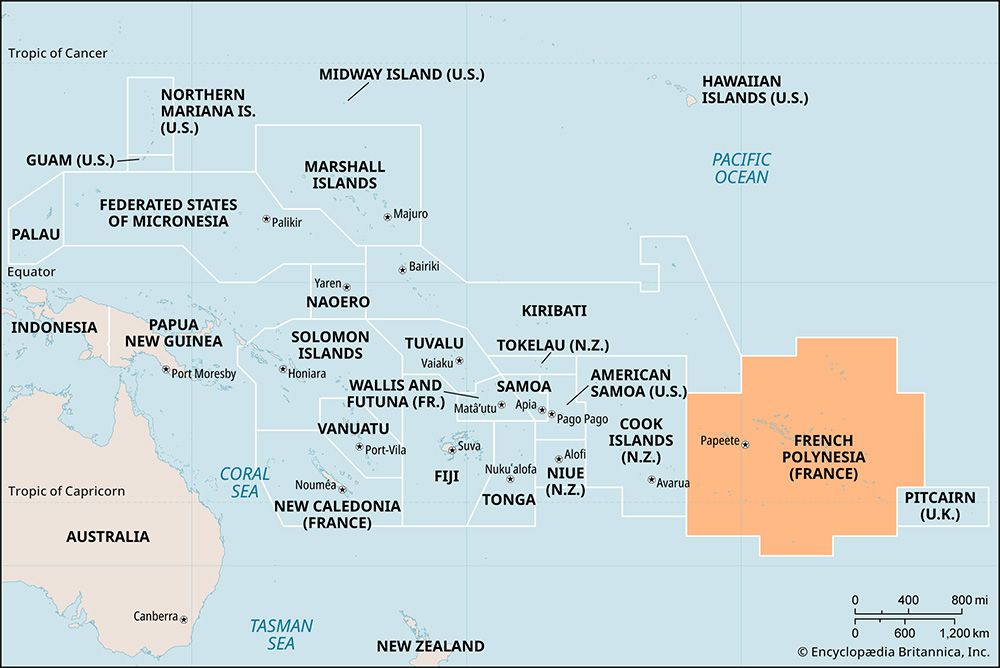
What is the official language of French Polynesia, and are there other languages spoken?
The official languages of French Polynesia are French and Tahitian.14
While French serves as the primary administrative language, Tahitian is widely used as a lingua franca throughout the islands. In addition to these two official languages, various other Polynesian languages are also spoken across the territory.1514
What is the cultural significance of Polynesian traditions in French Polynesia?
The cultural significance of Polynesian traditions in French Polynesia is rooted in a profound connection to the environment, a reverence for the past, and a resilient effort to maintain identity amidst historical disruption.10189
Foundations of Cultural Significance
- Mastery of the Environment: Traditional culture was defined by a practical, systematic observation of the natural world. This mastery extended beyond navigation and shipbuilding to social organization and religion, providing mechanisms to survive the hazards of the Pacific.18
- Reverence for the Past: Polynesian societies placed great value on oral traditions, including genealogies, chants, and legends. These served to fix individuals within a hierarchical social order and maintain a sense of continuity across generations.18
- Spiritual Integration: The supernatural was viewed as a continuum of reality rather than a separate sphere. Creation myths and historical accounts provided a framework for understanding the universe and the individual’s place within it.18
Modern Preservation and Identity
Following the suppression of traditional practices by missionaries in the late 18th century and the impacts of colonial history, French Polynesia has seen a resurgence in cultural pride.109
- Revival of Arts: Festivals like the annual Heiva and the international Festival of Pacific Arts serve as vital vehicles for expressing contemporary indigenous identity and perpetuating music, dance, and traditional crafts.9
- Language and Autonomy: The elevation of the Tahitian language to official status and the use of immersion schools reflect a commitment to preserving indigenous heritage.109
- Cultural Resilience: Despite the pervasive influence of global media, the reconstruction of traditional voyaging canoes and the growth of indigenous literature demonstrate a strong, ongoing effort to reclaim and adapt ancestral knowledge to modern life.9
Sources
- French Polynesia - Plant and animal life — Encyclopædia Britannica
- French Polynesia - Relief — Encyclopædia Britannica
- Îles du Vent — Encyclopædia Britannica
- French Polynesia - Economy of French Polynesia — Encyclopædia Britannica
- Tuamotu Archipelago — Encyclopædia Britannica
- Tahiti — Encyclopædia Britannica
- Îles Sous le Vent — Encyclopædia Britannica
- Polynesian culture - Material culture — Encyclopædia Britannica
- Polynesian culture - Art — Encyclopædia Britannica
- French Polynesia - Cultural life — Encyclopædia Britannica
- tapa — Merriam-Webster
- pareu — Merriam-Webster
- Oceanic art and architecture - Fiji, Tonga, and Samoa — Encyclopædia Britannica
- French Polynesia: Country Facts — Encyclopædia Britannica
- Polynesian languages — Encyclopædia Britannica
- French Polynesia - People — Encyclopædia Britannica
- Wallis and Futuna - People — Encyclopædia Britannica
- Polynesian culture - Traditional Polynesia — Encyclopædia Britannica
- Polynesian culture - Contemporary Polynesia — Encyclopædia Britannica
- Oceanic art and architecture - The Hawaiian Islands — Encyclopædia Britannica
Published on · 4 min read