Line Islands
The Line Islands are a chain of coral atolls and islands in the central Pacific Ocean. While they are geographically situated near Polynesia, the provided…
How do the Line Islands feature in Polynesian history and culture?
The Line Islands are a chain of coral atolls and islands in the central Pacific Ocean. While they are geographically situated near Polynesia, the provided search results do not contain specific historical or cultural information detailing how these islands feature in Polynesian history or culture.
The islands are currently divided between the nation of Kiribati and the United States (as unincorporated territories), with permanent habitation limited to only a few islands, such as Kiritimati, Tabuaeran, and Teraina. While the broader region of Polynesia is known for its rich history of long-range voyaging and settlement, the specific role of the Line Islands within that narrative is not addressed in the available data.12345
What is the geographical composition of the Line Islands?
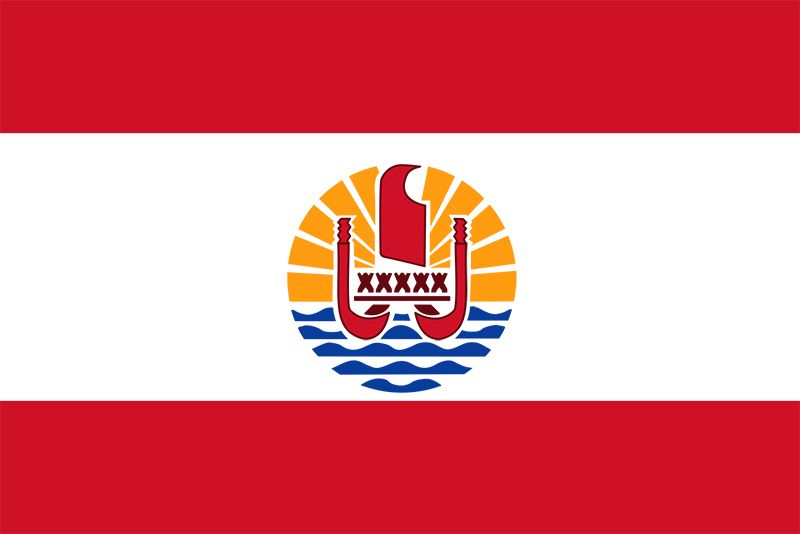
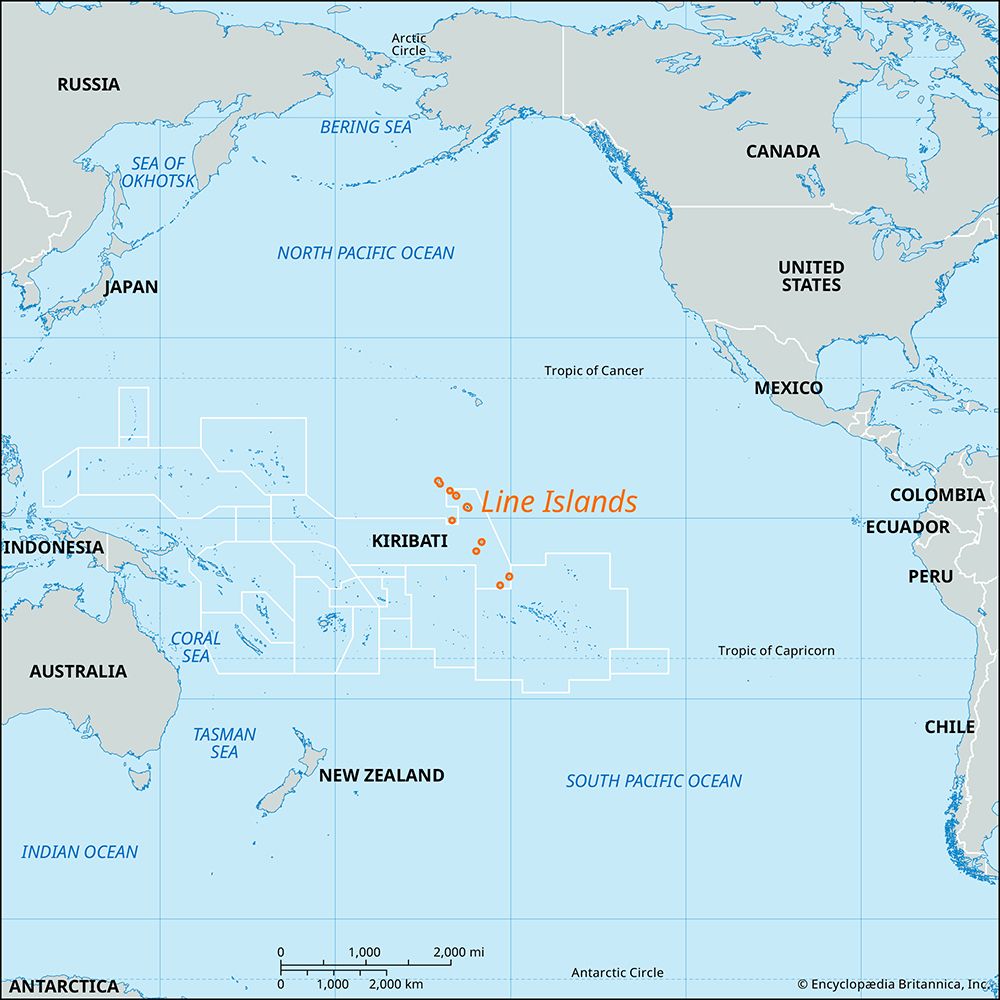
The Line Islands are a chain of coral islands located in the central Pacific Ocean, extending 1,600 miles (2,600 km) northwestward from French Polynesia. They possess a total land area of 193 square miles (500 square km) and are categorized into three distinct groups:
- Northern Group: Includes Teraina Island, Tabuaeran Atoll, Kiritimati, Kingman Reef, Palmyra Atoll, and Jarvis Island.1
- Central Group: Consists of Malden and Starbuck islands.1
- Southern Group: Comprised of Vostok and Flint islands.1
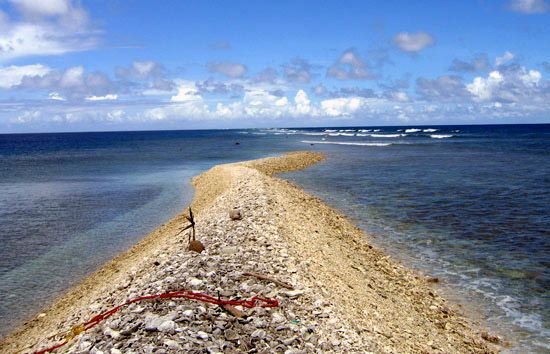
Geologically, all the islands are coral formations. While they are collectively referred to as a chain of coral islands, only six of them feature lagoons, which classifies those specific formations as atolls.1
What are the major islands that make up the Line Islands chain?
The Line Islands are a chain of coral islands in the central Pacific Ocean divided into three geographical groups:1
Northern Group
- Teraina Island: Part of Kiribati.
- Tabuaeran Atoll: Part of Kiribati.
- Kiritimati: The largest atoll in the chain and part of Kiribati.
- Kingman Reef: An unincorporated territory of the United States.
- Palmyra Atoll: An unincorporated territory of the United States.
- Jarvis Island: An unincorporated territory of the United States.
Central Group
- Malden Island: Part of Kiribati.
- Starbuck Island: Part of Kiribati.
Southern Group
- Vostok Island: Part of Kiribati.
- Flint Island: Part of Kiribati.
Permanent habitation is limited to Kiritimati, Tabuaeran, and Teraina.1
What is the political status of the Line Islands, and to which countries do they belong?
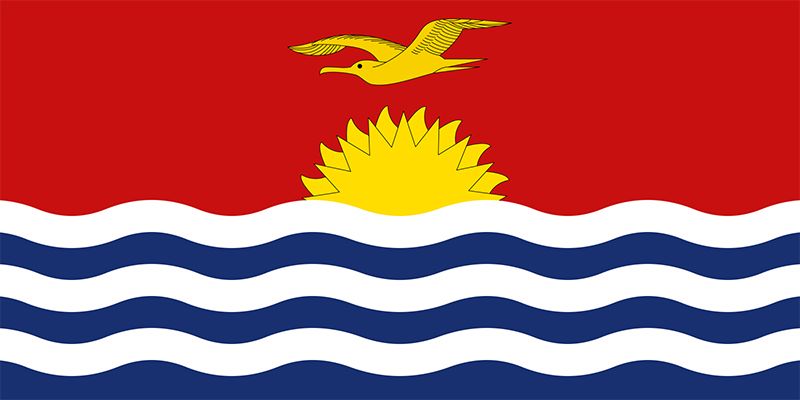
The political status of the Line Islands is divided between the nation of Kiribati and the United States.1
- Kiribati: Most of the islands in the chain are part of Kiribati, having been included in the nation since its independence in 1979. This includes the Northern Line Islands of Teraina Island, Tabuaeran Atoll, and Kiritimati, as well as all islands in the Central and Southern groups (Malden, Starbuck, Vostok, and Flint islands).1
- United States: Certain islands in the Northern group are administered by the United States as unincorporated territories. These include Kingman Reef, Palmyra Atoll, and Jarvis Island.14
While the islands were historically divided between the United States and Great Britain, they are now managed under these current sovereign arrangements.11
Sources
- Line Islands — Encyclopædia Britannica
- Pacific Ocean - Early exploration and settlement — Encyclopædia Britannica
- Pacific Islands - Origins of Oceanian peoples — Encyclopædia Britannica
- Line Islands — Merriam-Webster
- Austronesian languages - Prehistoric inferences from subgrouping — Encyclopædia Britannica
- Pacific Islands — Encyclopædia Britannica
- Stone Age - Oceania — Encyclopædia Britannica
- Pacific Ocean - Islands — Encyclopædia Britannica
- Tabuaeran Atoll — Encyclopædia Britannica
- Kiribati - Land — Encyclopædia Britannica
- list of islands - United States — Encyclopædia Britannica
Published on · 2 min read