Îles Sous Le Vent
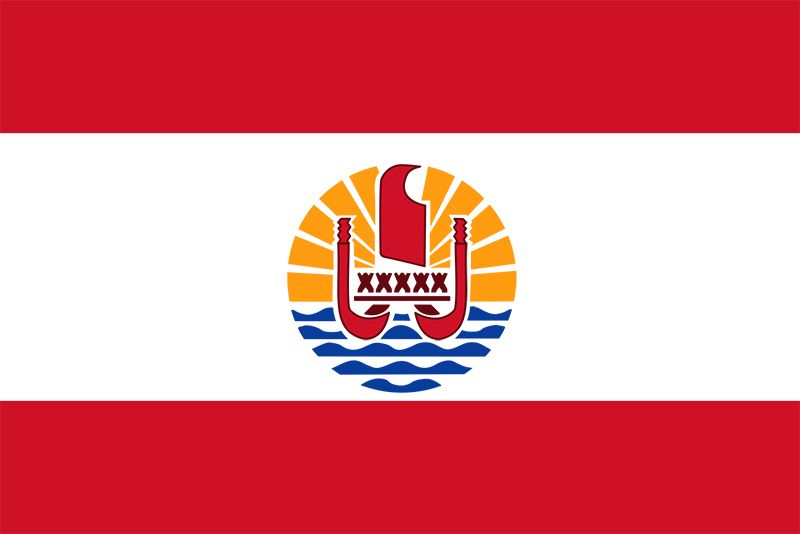
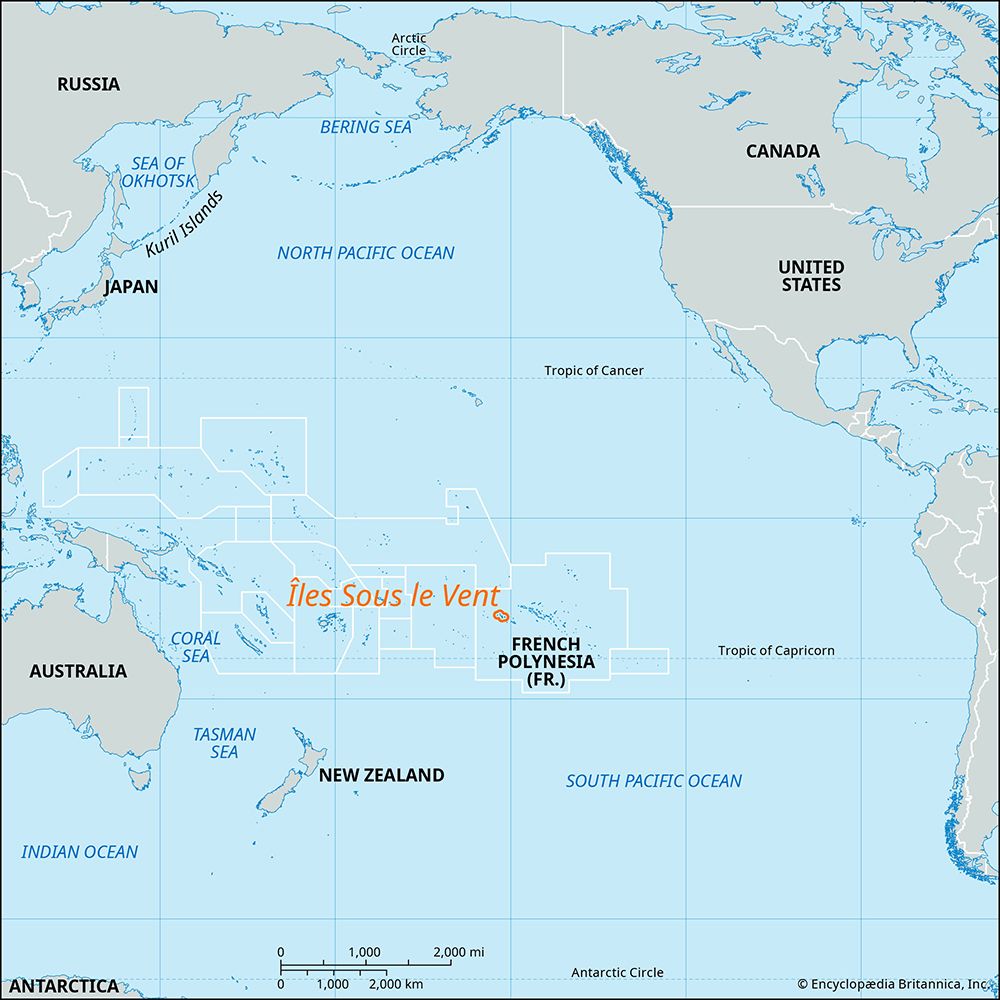
The official language of the Îles Sous le Vent (Leeward Islands), as part of French Polynesia, is FrenchFrench…
What languages are spoken in the Îles Sous le Vent, and how do they reflect the islands’ history?
The official language of the Îles Sous le Vent (Leeward Islands), as part of French Polynesia, is FrenchFrench Polynesia](https://www.britannica.com/place/French-Polynesia), is French. However, the Tahitian language—a member of the Polynesian languages group—is also widely used as a lingua franca throughout the territory.1
These languages reflect the islands’ complex history of European contact and colonization. The prevalence of French is a direct result of the islands becoming a French protectorate in 1842 and eventually a colony, leading to a policy of assimilation that deeply influenced local culture. Conversely, the continued use and recent elevation of the Tahitian language to official status reflect a modern resurgence of interest in preserving indigenous heritage. Historically, the islands were a center of Polynesian cultural diffusion, with Raiatea serving as a key hub. While missionary influence in the 18th and 19th centuries suppressed many traditional practices, the enduring presence of the Tahitian language serves as a vital link to the region’s pre-colonial roots.234
What unique flora and fauna can be found in the Îles Sous le Vent?
Due to the geographic isolation of the Îles Sous le Vent, there is limited variety in terrestrial flora and fauna, with most species having been introduced by early Polynesians or later European settlers.7
Flora
Plant life varies significantly based on local conditions:
- High Volcanic Islands: These islands feature more diverse vegetation, including ferns on hills and plateaus, and rainforests in the upper valley areas.7
- Coastal Plains: Areas such as those on Raiatea and Tahaa support coconut palms, breadfruit, and various fruit trees.87
- Atolls: The low-lying coral atolls are characterized by xerophilous (desert-type) plants that thrive in limestone soils.7
Fauna
There are no indigenous land mammals in the islands. Terrestrial animal life is primarily composed of introduced species, including feral goats, pigs, horses, cattle, and rats. Freshwater streams are home to a fish known as nato and various types of shrimp. In contrast to the limited land fauna, the marine life within the surrounding barrier reefs and lagoons is both varied and plentiful.78
How did the Îles Sous le Vent get their name, and what does it mean in English?
The name Îles Sous le Vent is French, and it translates to “Leeward Islands” in English.1213
The term “leeward” refers to the side of an island or island group that is sheltered from the prevailing winds. In the context of the Society Islands in the South Pacific, the archipelago is divided into two groups based on their position relative to the trade winds: the eastern group, known as the Îles du Vent (Windward Islands), and the western group, the Îles Sous le Vent (Leeward Islands).141213
What is the climate like in the Îles Sous le Vent, and how does it affect daily life?
The climate of the Îles Sous le Vent (Leeward Islands of French Polynesia) is tropical, characterized by warm and humid conditions throughout the year. The region experiences two primary seasons: a warm, rainy season from November to April and a relatively cool, dry season from May to October.15
Temperatures remain consistent, with high humidity levels typically ranging between 80 and 90 percent. The islands are situated within the trade-wind zone, which helps temper the tropical heat, though the region is also subject to occasional violent rainstorms. While the period from April to June is generally calm, the islands can experience occasional typhoons, particularly during El Niño events.15
This climate significantly shapes daily life, as the consistent warmth and humidity influence agricultural practices and the reliance on marine resources. The abundant rainfall supports lush vegetation on higher islands, while the trade winds have historically dictated maritime navigation and continue to influence the local environment. The predictable, albeit humid, weather patterns are a defining feature of the region’s lifestyle and its appeal as a destination.1516
Sources
- French Polynesia: Country Facts — Encyclopædia Britannica
- Society Islands — Encyclopædia Britannica
- Polynesian languages — Encyclopædia Britannica
- Tahiti — Encyclopædia Britannica
- Wallis and Futuna - People — Encyclopædia Britannica
- French Polynesia - Cultural life — Encyclopædia Britannica
- Îles Sous le Vent — Encyclopædia Britannica
- French Polynesia - Relief — Encyclopædia Britannica
- French Polynesia - Plant and animal life — Encyclopædia Britannica
- Îles du Vent — Encyclopædia Britannica
- Guadeloupe - Plant and animal life — Encyclopædia Britannica
- Windward Islands — Merriam-Webster
- Leeward Islands — Merriam-Webster
- French Polynesia - History of French Polynesia — Encyclopædia Britannica
- Guadeloupe - Climate — Encyclopædia Britannica
- French Polynesia - Climate of French Polynesia — Encyclopædia Britannica
- Netherlands Antilles - Climate — Encyclopædia Britannica
- Leeward Islands — Encyclopædia Britannica
- Trade wind — Encyclopædia Britannica
- New Caledonia - Climate — Encyclopædia Britannica
Published on · 3 min read