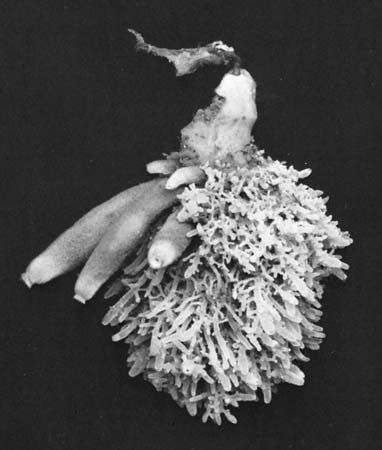
Freshwater Sponge
A freshwater sponge is any of approximately 20 species within the genus Spongilla, belonging to the family Spongillidae and the class Demospongiae. While the…
What is freshwater sponge?
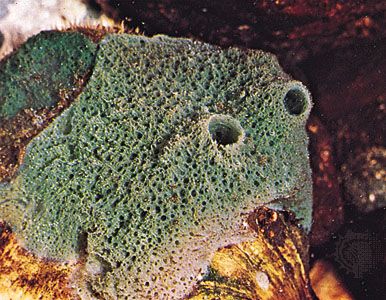
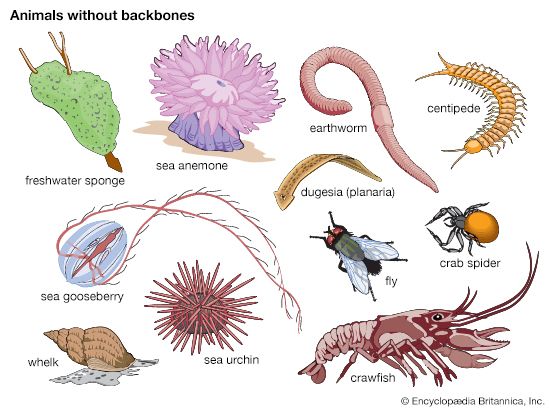
A freshwater sponge is any of approximately 20 species within the genus Spongilla, belonging to the family Spongillidae and the class Demospongiae. While the vast majority of sponges are marine, members of the Spongillidae family have adapted to inhabit the fresh waters of rivers and lakes.123
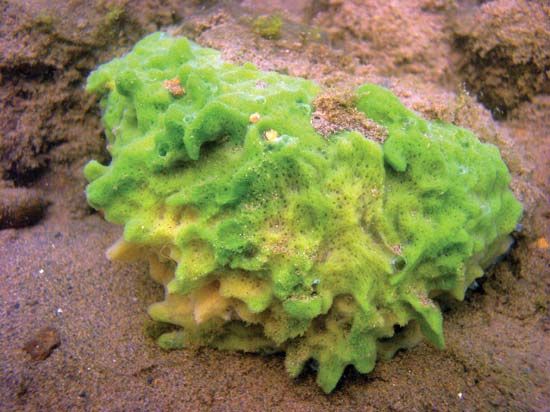
These organisms are delicate in structure, often growing as branching or encrusting masses that can reach volumes exceeding 2,500 cubic centimeters. They frequently appear greenish due to symbiotic algae living within them, which provide the sponge with oxygen and nutrients.14
To survive unfavorable environmental conditions like drought or extreme temperatures, freshwater sponges utilize a specialized form of asexual reproduction called gemmulation. They produce “gemmules”—aggregates of cells protected by membranes and spicules—which remain dormant until favorable conditions return. Freshwater sponges also host various organisms, including parasites like mites, rotifers, and the larvae of the spongillafly, which feed upon them.54
How do gemmules help sponges survive harsh conditions?
Gemmules are specialized, resilient structures that enable sponges to survive periods of environmental stress, such as drought, extreme heat, or freezing temperatures.26
The process, known as gemmulation, functions through the following mechanisms:
- Cellular Protection: Gemmules consist of aggregates of archaeocytes—cells laden with reserve food granules—that are encased in a protective membrane. In freshwater species, this covering is further reinforced by spicules, which provide structural durability.2
- Suspended Activity: Within these structures, the sponge’s vital activities are almost completely suspended. Depending on the climate, the gemmules may enter a state of hibernation during winter or estivation during summer.2
- Survival and Regeneration: When the adult sponge dies or disintegrates, these resistant gemmules are released. They remain dormant until favorable environmental conditions return. At that point, the gemmules germinate, allowing the archaeocytes to emerge through an opening called the micropyle to differentiate and grow into a new sponge.62
Why do freshwater sponges often appear green?
Freshwater sponges often appear green due to a symbiotic relationship with algae that live within their tissues. These algae reside in the surface layers of the sponge, inside its cells, or among them.41
This association is mutually beneficial. The sponge provides the algae with protection from predators, unfavorable environmental conditions, and the sponge’s own metabolic waste products. In return, the sponge utilizes the algae as a vital source of oxygen, a mechanism for waste elimination, a screen against intense sunlight, and a food source by consuming both algal waste products and dying algae. These algae are so integrated into the life cycle of the Spongillidae family that they may even be transmitted through the sponge’s gemmules.4
What is the relationship between spongillafly larvae and sponges?
The relationship between spongillafly larvae and freshwater sponges is parasitic. Larvae of the spongillafly (family Sisyridae) live within and feed upon these sponges throughout their development.7
Spongillaflies are members of the order Neuroptera, and they are found globally wherever their host sponges occur. Once the larvae reach maturity, they leave the water to spin a double-walled, lacelike cocoon, where they undergo their pupal stage.4
Sources
- freshwater sponge — Encyclopædia Britannica
- sponge - Asexual reproduction — Encyclopædia Britannica
- sponge - Distribution and abundance — Encyclopædia Britannica
- sponge - Associations with other organisms — Encyclopædia Britannica
- sponge — Encyclopædia Britannica
- Dormancy - Invertebrates — Encyclopædia Britannica
- spongillafly — Encyclopædia Britannica
Published on · 2 min read