Gambia River
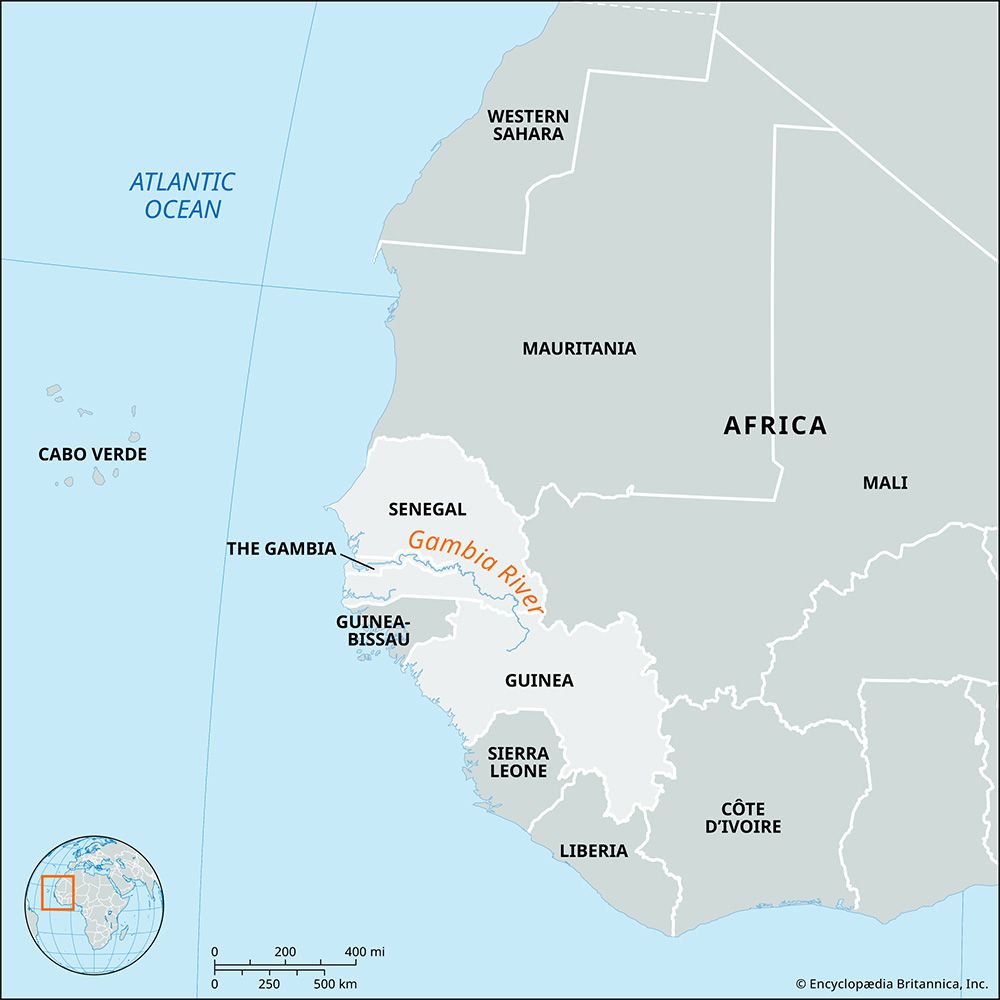
The Gambia River is fed by several significant tributaries as it flows through western Africa. Its primary tributaries include:
What major tributaries feed into the Gambia River?
The Gambia River is fed by several significant tributaries as it flows through western Africa. Its primary tributaries include:
- Koulountou River: Recognized as the chief tributary of the Gambia, it rises in the Fouta Djallon region of Guinea and flows northward to join the main river above Barra Kunda Falls.1
- Sandougou: A major tributary that contributes to the river’s flow.2
- Sofianiama: Another major tributary of the Gambia River.2
Additionally, the river is joined by numerous creeks known as bolons. The largest of these is the Bintang Bolon, which enters the river from the south.2
What are some of the unique ecosystems and wildlife found along the Gambia River?
The Gambia River supports a diverse range of ecosystems, transitioning from dense mangrove swamps in the brackish lower reaches to freshwater swamps, salt flats, and savanna woodlands further inland. These varied habitats provide essential environments for a wide array of wildlife.31
Wildlife and Biodiversity
The river and its surrounding creeks, or bolons, are rich in biodiversity:
- Mammals: The middle and upper river regions are home to warthogs, monkeys, baboons, antelopes, and pygmy hippopotamuses. Hippopotamuses and crocodiles are commonly found in the river itself.314
- Avian Life: The region is a haven for birdwatchers, hosting hundreds of species, including kingfishers, cuckoos, swallows, herons, sunbirds, hawks, and grass warblers.1
- Aquatic Life: The river and its associated creeks are abundant in fish and crustaceans, which thrive in the nutrient-rich waters.14
Conservation Areas
Several protected areas help preserve these unique ecosystems, such as the Abuko Nature Reserve, Kiang West National Park, and the River Gambia National Park, also known as Baboon Island National Park.3
Are there any notable dams or hydroelectric projects on the Gambia River?
While the Gambia River possesses significant hydroelectric potential, there are currently no dams or hydroelectric projects located on the river within the borders of The Gambia.1
The development of the river’s resources has historically been hindered by political separation between the countries sharing the basin, though the Gambia River Development Organization—comprised of The Gambia, Senegal, and Guinea—was established in 1978 to facilitate cooperation. Currently, the country relies on imported oil to meet its energy needs, and access to electricity remains limited and sporadic for much of the population.51
What is the total length of the Gambia River, and how does it compare to other major African rivers?
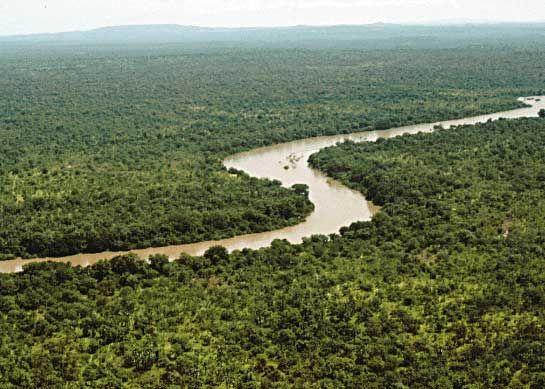
The Gambia River is 700 miles (1,120 km) long, rising in the highlands of the Fouta Djallon in the Republic of Guinea and flowing westward into the Atlantic Ocean.1
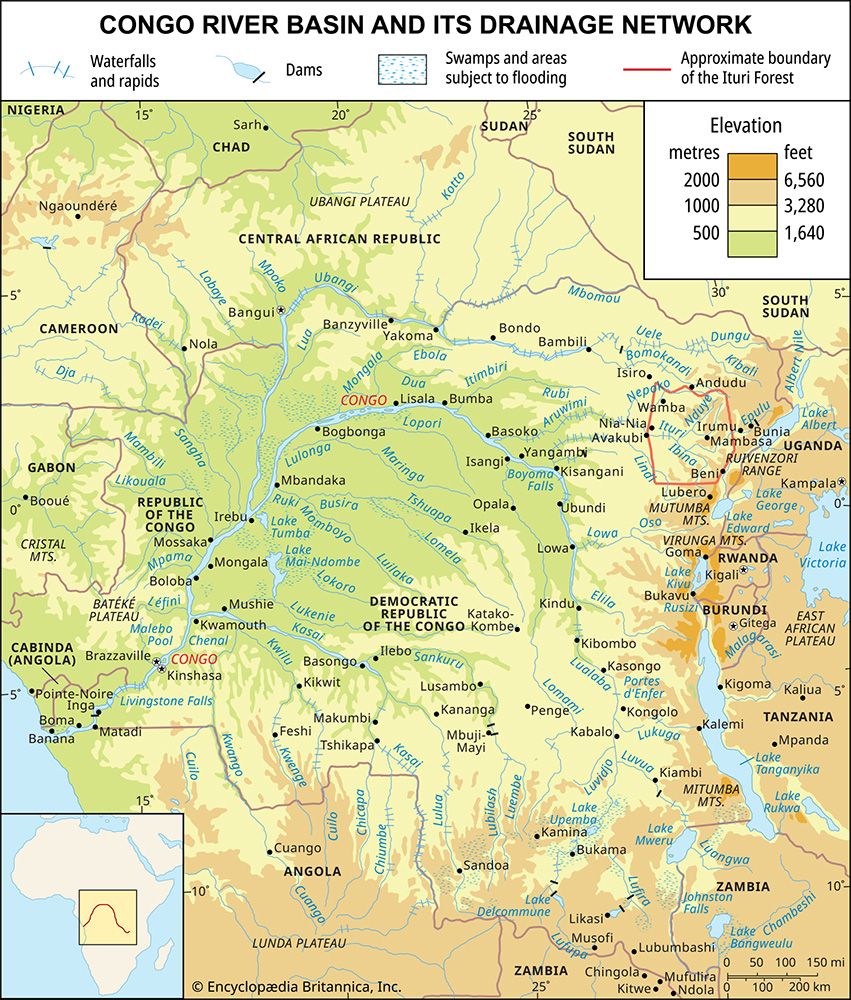
When compared to other major African rivers, the Gambia is significantly shorter. For instance, the Nile River, which is the longest river in Africa, spans approximately 4,132 miles (6,650 km). Similarly, the Congo River is approximately 2,900 miles (4,700 km) long, making it the continent’s second-longest river.6
Despite its smaller scale, the Gambia River is distinguished as one of the most navigable waterways in Africa and is the only river in western Africa that is easily accessible to oceangoing shipping.1
Sources
- Gambia River — Encyclopædia Britannica
- Koulountou River — Encyclopædia Britannica
- The Gambia - Plant and animal life — Encyclopædia Britannica
- Senegal - Plant and animal life — Encyclopædia Britannica
- The Gambia - Resources and power — Encyclopædia Britannica
- 8 Amazing Physical Features of Africa — Encyclopædia Britannica
- The Gambia — Encyclopædia Britannica
Published on · 2 min read