8 Amazing Physical Features of Africa
Africa is home to a diverse array of spectacular physical features that span the continent's vast climatic regions. Here are eight of its most impressive…
What are 8 Amazing Physical Features of Africa?
Africa is home to a diverse array of spectacular physical features that span the continent’s vast climatic regions. Here are eight of its most impressive natural landmarks:
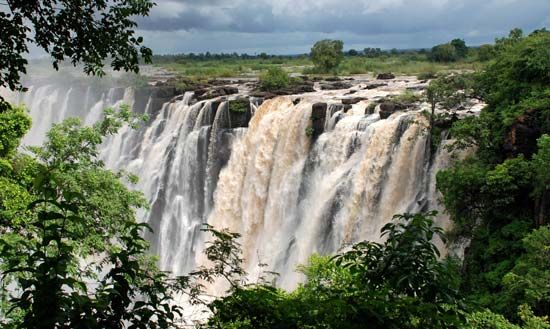
- Victoria Falls: Located on the Zambezi River, this massive waterfall is renowned for its immense width of over 5,500 feet and the dramatic chasm into which it plunges.1
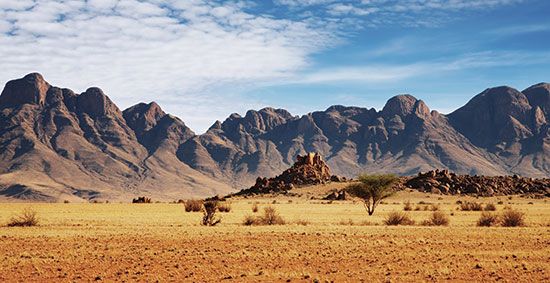
- The Namib: A coastal desert stretching across Angola, Namibia, and South Africa, featuring diverse scenery ranging from fog-moistened coastal shrubs to inland dunes and gravel plains.1
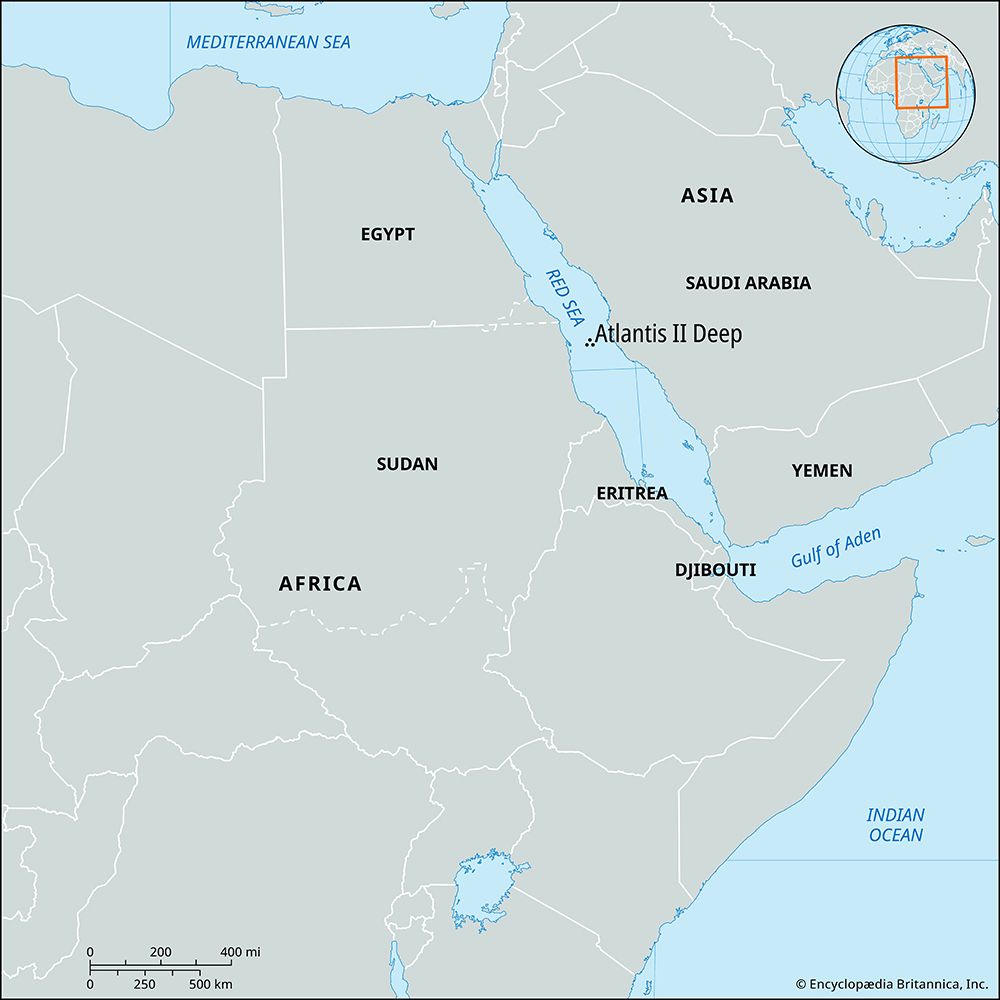
- East African Rift System: A 4,000-mile-long geological rift responsible for breathtaking landscapes, including deep lakes and volcanic peaks like Mount Kilimanjaro.12
- Congo River: Africa’s second-longest river, which forms the continent’s largest network of navigable waterways.1
- The Sahara: The world’s largest hot desert, covering nearly all of northern Africa with sand seas, rocky plateaus, and abrupt mountains.13
- Lake Victoria: The largest lake in Africa and a primary reservoir for the Nile River.1
- Ituri Forest: A dense, humid tropical rainforest in the Democratic Republic of the Congo known for its immense biodiversity, particularly among primates.1
- Nile River: Often cited as the longest river in Africa, this vital waterway flows northward into the Mediterranean Sea.1
How does the East African Rift System affect the continent’s future geography?
The East African Rift System is a massive geological feature that has been actively shaping the continent for approximately 30 million years. Its influence on Africa’s future geography is driven by the ongoing divergence of lithospheric plates, a process that continues to alter the landscape through tectonic and volcanic activity.5910
Key aspects of this transformation include:
- Plate Divergence: The rift forms where tectonic plates are pulling apart, causing the crust to thin and drop. This process is analogous to a keystone falling as the walls of an arch move away from each other, creating deep, symmetrical valleys and steep escarpments.9
- Volcanism and Seismic Activity: The stretching of the crust allows hot material from the asthenosphere to rise, leading to extensive volcanism along the rift’s axis. This activity has created significant peaks, such as Mount Kilimanjaro, and continues to produce periodic lava flows and seismic disturbances, particularly in the western portions of the system.9105
- Landscape Modification: The rift’s formation has fundamentally changed regional drainage and topography. For example, volcanic activity has historically dammed rivers, creating new lakes like Lake Kivu. The system also hosts a series of deep, fjordlike lakes that sit within the rift’s troughs, some with floors extending below sea level.105
What makes the wildlife in the Ituri Forest so unique compared to other rainforests?
The Ituri Forest possesses a unique ecological character that distinguishes it from other tropical rainforests, primarily due to its location and the resulting diversity of its habitats.
- Ecological Crossroads: Situated at the edge of the forest-savanna boundary, the Ituri hosts a blend of typical equatorial forest species alongside savanna-dwelling animals, such as the hyena.12
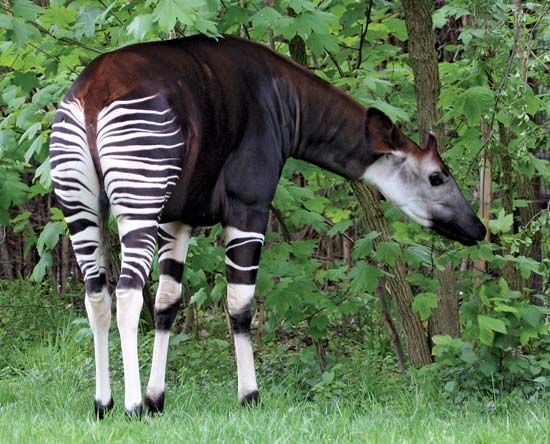
- Endemic Species: The forest is home to the okapi—a forest giraffe endemic to the region—and the shy Congo peacock, which was not discovered until 1936.12
- Habitat Mosaic: Human agricultural practices, such as slash-and-burn cultivation, have created a patchwork of climax vegetation and secondary forest successional stages. Combined with river valleys, swamps, and rock outcroppings, this mosaic provides a variety of food and cover that supports the greatest abundance of mammals found in any forested region in Africa.12
- Primate Diversity: The Ituri supports the highest diversity of primates of any comparable area globally, including the owl-faced monkey and the chimpanzee.12
How do the Sahara’s sand dunes form and move over time?
Sand dunes in the Sahara and other deserts form when wind-blown sand grains accumulate on a surface. The process typically begins when wind velocity decreases near a slight hollow or smooth patch on the ground, causing the air to deposit its load of saltating (jumping) grains. As this small patch grows, it alters the local wind flow, further encouraging sand deposition until a dune is established.15
Dunes move over time through a continuous cycle of erosion and deposition. As a dune grows, its leeward slope steepens until it reaches the angle of repose—approximately 32 degrees for dry sand. At this point, the wind can no longer follow the slope, creating a “dead zone” where sand falls and accumulates on the slip face. Consequently, the dune migrates forward as a whole: sand is eroded from the windward side and deposited on the leeward side.15
The rate of this movement depends on the size of the dune; generally, smaller dunes travel faster than larger ones because they require less sand to reconstitute their form. In some regions, dunes can move between 20 and 100 metres per year.15
Sources
- 8 Amazing Physical Features of Africa — Encyclopædia Britannica
- Sahara - Physiography — Encyclopædia Britannica
- Africa - Relief — Encyclopædia Britannica
- Africa - General considerations — Encyclopædia Britannica
- East African Rift System — Encyclopædia Britannica
- Great Rift Valley — Encyclopædia Britannica
- Africa — Encyclopædia Britannica
- List of national parks - Africa — Encyclopædia Britannica
- East African lakes: Top Questions — Encyclopædia Britannica
- tectonic basins and rift valleys - Rift valleys — Encyclopædia Britannica
- volcano - Rift volcanoes — Encyclopædia Britannica
- Ituri Forest — Encyclopædia Britannica
- Ituri Forest - Plant and animal life — Encyclopædia Britannica
- Ituri Forest - Physiography — Encyclopædia Britannica
- sand dune - Dune and sheet patterns — Encyclopædia Britannica
- sand dune - Winds — Encyclopædia Britannica
- sand dune - Formation and growth of dunes — Encyclopædia Britannica
- sand dune — Encyclopædia Britannica
Published on · 4 min read