Gaspé Peninsula
The culture of the Gaspé Peninsula is shaped by a complex history of interaction between Indigenous peoples and European settlers.
How does the unique culture of the Gaspé Peninsula reflect its French, English, and Indigenous influences?
The culture of the Gaspé Peninsula is shaped by a complex history of interaction between Indigenous peoples and European settlers.
- Indigenous Influence: The region is part of the traditional territory of the Mi’kmaq, a First Nations people who have inhabited the area for centuries. Historically, they were seasonally nomadic, relying on hunting and fishing, and they maintained a flexible social structure based on kinship.
- French and English Influence: The peninsula was a significant site of early European contact. The Mi’kmaq were among the first Indigenous groups to accept Jesuit teachings and intermarry with settlers from New France. During the 17th and 18th centuries, the Mi’kmaq formed strong alliances with the French against the English, reflecting the broader colonial struggles for control in North America.
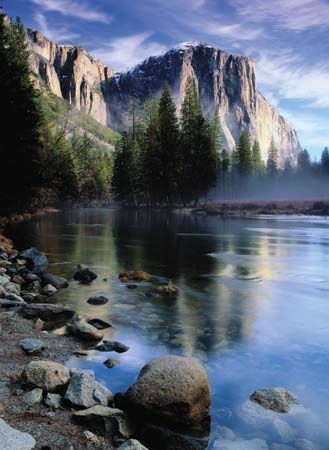
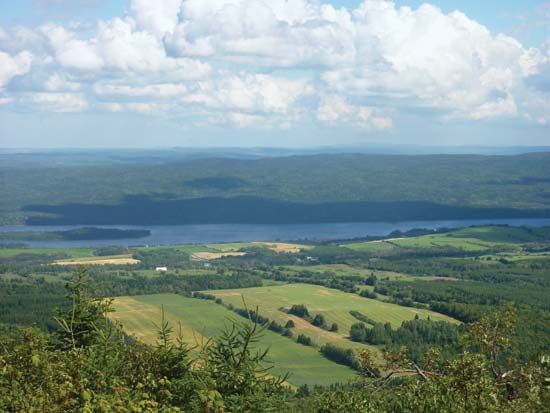
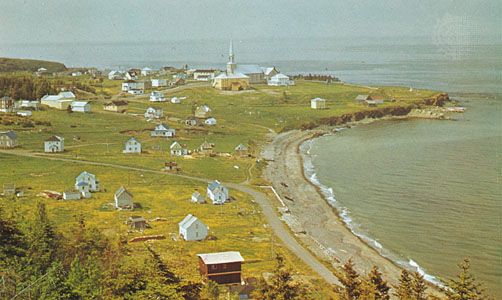
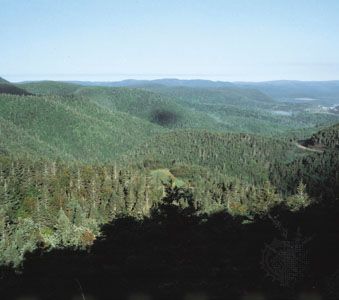
Today, the peninsula’s identity is defined by its rugged coastal landscape, its reliance on industries like lumbering and fishing, and its preservation of these diverse historical roots within its modern communities.
What is the historical significance of the Gaspé Peninsula in Canadian history?
The Gaspé Peninsula holds significant historical importance as a foundational site for European exploration and colonial claims in Canada.
In 1534, the French explorer Jacques Cartier visited the area and famously erected a cross at the site of present-day Gaspé, formally claiming the Canadian mainland for the king of France. This act served as a critical precursor to the establishment of New France. During his 1534 voyage, Cartier also seized two First Nations individuals from the peninsula, whom he later used as guides for his subsequent expeditions up the St. Lawrence River5.15
The region’s history is also marked by the colonial conflicts between European powers. The settlement at Gaspé survived a significant military attack by British forces under General James Wolfe in 1758, a period when the British were actively challenging French control in North America. Beyond its political history, the peninsula has long been a vital hub for fishing, lumbering, and maritime activity, which remain central to its identity today.13
What are some of the major industries and economic activities in the Gaspé Peninsula region?
The economy of the Gaspé Peninsula is primarily driven by its natural resources and coastal location. Due to the region’s poor soil and short growing season, agriculture is limited, shifting the economic focus toward the following sectors:
- Forestry and Pulp Production: Lumbering is a cornerstone of the regional economy. This industry is closely linked to the production of pulp for papermaking, which remains a significant activity in the area.18
- Fisheries: Maritime fishing has historically been and remains a vital industry. The region supports the harvesting of species such as cod, herring, redfish, lobster, and salmon. The provincial government supports this sector through a network of cold-storage facilities, and the city of Gaspé maintains a provincial fish hatchery.86
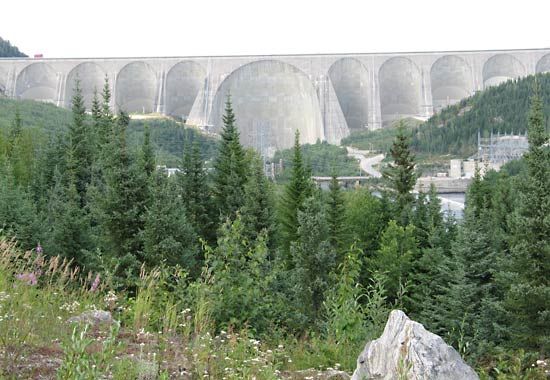
- Mining and Energy: The peninsula possesses mineral wealth, including deposits of copper, lead, and zinc. In recent years, the region has also seen development in oil production.16
- Tourism: The area’s rugged coastal scenery, mountain landscapes, and protected areas—such as Forillon National Park—make tourism a major economic contributor.16
What is the origin of the name ‘Gaspé’ and its meaning?
The name Gaspé has two primary theories regarding its origin:
- Indigenous Origin: It is widely believed to derive from the Indigenous term gespeg, which translates to “end of the world,” reflecting the peninsula’s geographic position extending into the Gulf of St. Lawrence.6
- European Origin: Alternatively, the name may be attributed to the Portuguese navigator Gaspar Corte-Real, who is thought to have visited the region around 1500.6
Sources
- Gaspé Peninsula — Encyclopædia Britannica
- Mi’kmaq — Encyclopædia Britannica
- Gaspé Peninsula — Merriam-Webster
- Gascony — Encyclopædia Britannica
- Jacques Cartier — Encyclopædia Britannica
- Gaspé — Encyclopædia Britannica
- Bonaventure Island — Encyclopædia Britannica
- Quebec - Agriculture, forestry, and fishing — Encyclopædia Britannica
Published on · 3 min read