Gaspé Current
The Gaspé Current is an outflow originating from the St. Lawrence River that flows around the Gaspé Peninsula and along the southern shore of the Gulf of St.…
What is Gaspé Current?
The Gaspé Current is an outflow originating from the St. Lawrence River that flows around the Gaspé Peninsula and along the southern shore of the Gulf of St. Lawrence.1
As part of the gulf’s peripheral counterclockwise circulation, the current eventually merges with a cold branch of the Labrador (Cabot) Current before exiting through the Cabot Strait into the North Atlantic Ocean. The intensity and temperature of the Gaspé Current are directly influenced by the river’s flow; it is typically strong and warm during the summer months, while becoming weaker and colder in the winter.12
How does the Labrador Current influence the Gulf of St. Lawrence?
The Labrador Current influences the Gulf of St. Lawrence primarily through its interaction with the gulf’s internal circulation system. A cold branch of the Labrador Current, often referred to as the Cabot Current, enters the gulf and merges with the Gaspé Current as it moves toward the Cabot Strait.11
This interaction is part of a broader peripheral counterclockwise circulation that helps regulate the movement of water and ice within the gulf. The Cabot Strait serves as the primary gateway for this exchange, allowing Atlantic and Arctic waters—which have already passed Newfoundland—to enter the system, while simultaneously acting as the main exit point for the majority of the gulf’s water and ice as they flow into the North Atlantic Ocean.1
What role does the Cabot Strait play in ocean circulation?
The Cabot Strait serves as the most significant gateway for the Gulf of St. Lawrence, acting as a critical junction for regional ocean circulation. It functions as a two-way conduit between the gulf and the Atlantic Ocean.24
Its role in circulation includes:
- Water Exchange: It is the primary entry point for Atlantic and Arctic waters, which reach the strait after passing Newfoundland. Simultaneously, it serves as the main exit point through which the majority of the gulf’s water and ice flow into the North Atlantic.2
- Current Integration: The strait is a focal point for the gulf’s peripheral counterclockwise circulation. The Gaspé Current, which carries outflow from the St. Lawrence River, merges with a cold branch of the Labrador (Cabot) Current before passing through the strait.25
- Navigational Impact: Because it is the primary exit for ice, the Cabot Strait typically clears earlier than other gateways like the Strait of Belle Isle, allowing for the resumption of maritime traffic at least a month sooner.2
How do seasonal changes affect marine life in the Gulf of St. Lawrence?
Seasonal changes significantly influence marine life in the Gulf of St. Lawrence by altering physical conditions, such as temperature, light availability, and ice cover.
- Plankton Cycles: As a temperate region, the gulf experiences peaks in plankton abundance during spring, driven by increasing daylight and temperatures. Winter storms help mix the water column, distributing nutrients that facilitate phytoplankton growth. A secondary peak in abundance typically occurs in autumn.2
- Reproductive Timing: Many fish and invertebrates time their spawning to coincide with these seasonal cycles, releasing eggs and larvae into the plankton when food availability is high.2
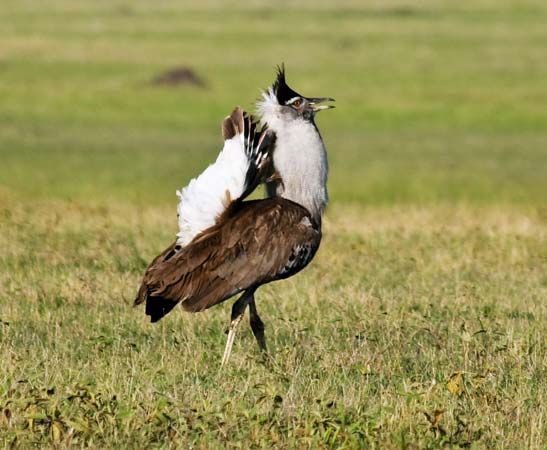
- Ice and Migration: The presence of winter ice floes, which are prominent until at least mid-February, creates harsh conditions that limit activity for some species. Conversely, the gulf’s sandy shores and reefs serve as vital seasonal food sources for massive migrations of waterfowl, including ducks, bustards, and geese.17
- Environmental Flux: The Gaspé Current fluctuates seasonally, becoming strong and warm in the summer and cold and weak in the winter, which directly impacts the local marine environment.8
Sources
- Gaspé Current — Encyclopædia Britannica
- Gulf of Saint Lawrence — Encyclopædia Britannica
- Labrador Current — Merriam-Webster
- Cabot Strait — Encyclopædia Britannica
- Cabot Strait — Merriam-Webster
- St. Lawrence River — Encyclopædia Britannica
- Newfoundland and Labrador - Climate of Newfoundland and Labrador — Encyclopædia Britannica
- St. Lawrence River - Plant and animal life — Encyclopædia Britannica
- Marine ecosystem - Seasonal cycles of production — Encyclopædia Britannica
Published on · 3 min read