Gentianales
The provided search results do not contain specific information regarding the conservation status or the identification of endangered species within the…
Are there any endangered species within the Gentianales order?
The provided search results do not contain specific information regarding the conservation status or the identification of endangered species within the Gentianales order. While the order includes diverse families such as Gentianaceae, Rubiaceae, and Apocynaceae, the available data focuses on their botanical characteristics, classification, and medicinal or ornamental uses rather than their vulnerability to extinction.12
Which plant families are included in the Gentianales order?
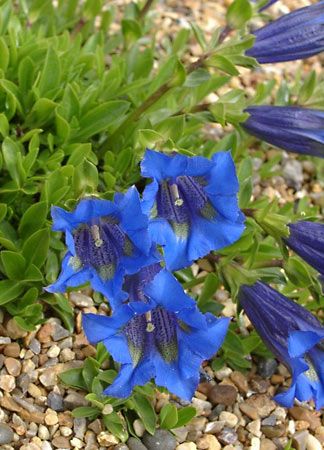
The Gentianales order of flowering plants comprises five distinct families. These families include:
- Gentianaceae
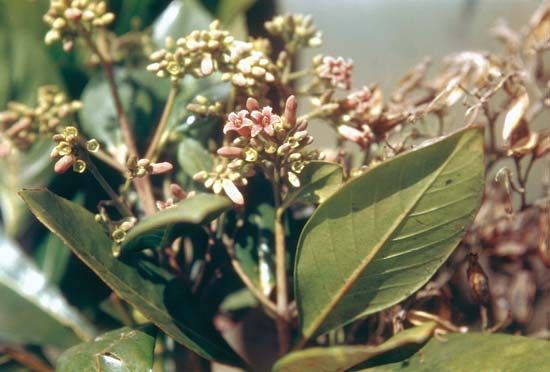
- Rubiaceae
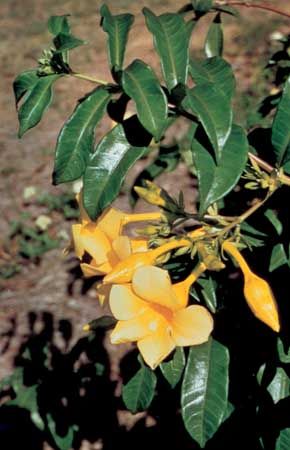
- Apocynaceae (which includes the subfamilies Secamonoideae and Asclepiadoideae)
- Loganiaceae
- Gelsemiaceae1
Collectively, these families encompass over 1,121 genera and more than 20,000 species, serving as significant sources for both ornamental plants and medicinal drugs.1
What economic or medicinal importance do plants from the Gentianales order have?
Plants within the Gentianales order are highly significant for their diverse economic and medicinal applications, primarily through the families Rubiaceae and Gentianaceae.
Medicinal and Stimulant Uses
Many species are valued for their pharmacological properties:
- Quinine: Derived from the bark of Cinchona species, this was historically a vital remedy for malaria.34
- Ipecac: Obtained from the roots of Carapichea ipecacuanha, this substance is used medicinally to induce vomiting.34
- Kratom: The leaves of Mitragyna speciosa are utilized in traditional medicine and as a recreational stimulant.34
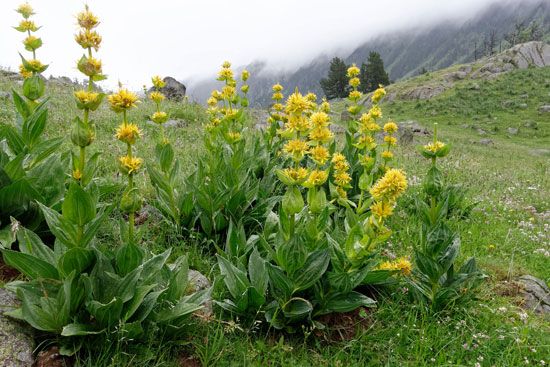
- Gentian Roots: The roots of Gentiana lutea are used to flavor herbal bitters and aperitifs and are locally prized for medicinal purposes.56
- Traditional Remedies: Certain species of Potalia are credited with medicinal powers, including treatments for snake bites.6
Economic and Ornamental Importance
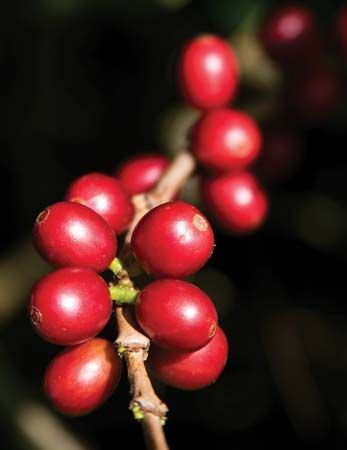
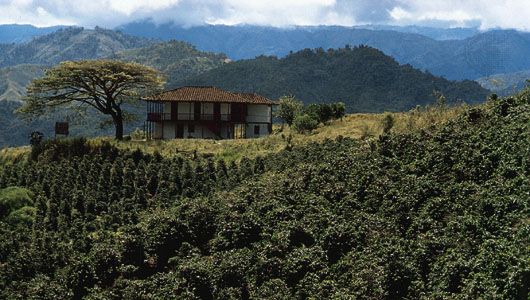
- Beverages: The family Rubiaceae is the source of coffee, produced from the seeds of Coffea species.34
- Dyes: Rubia tinctorum (madder) was traditionally cultivated for the red dye alizarin3.4
- Ornamentals: Many species are widely cultivated for their aesthetic value, including Gardenia, Ixora, and Eustoma (sold as “lisianthus”).346
- Food: The fruits of several tropical Rubiaceae, such as Genipa and Morinda citrifolia (noni), are consumed or marketed for health benefits.3
How has the classification of Gentianales evolved over time in botanical taxonomy?
The classification of the Gentianales order has evolved significantly through modern phylogenetic research, moving away from systems based solely on morphology toward those grounded in genetic relationships.
Currently, the order is recognized within the Angiosperm Phylogeny Group IV (APG IV) system as part of the core asterid clade, specifically within the lamiids. This modern framework has clarified the placement of several groups that were previously misclassified or ambiguous.1
Key shifts in taxonomic understanding include:
- Reclassification of Tribes: Phylogenetic studies have integrated groups previously assigned to other families. For example, the tribe Potalieae, which was once placed within Loganiaceae, is now recognized as part of the Gentianaceae family.2
- Resolution of Morphological Anomalies: Some plants with unique physical traits were historically placed in their own families due to their distinct appearance. A notable example is Saccifolium bandeirae, which was formerly classified in the family Saccifoliaceae because of its unique pouchlike leaves. Genetic analysis has since confirmed that it belongs to the most basal tribe of the Gentianaceae family tree.2
Sources
- Gentianales — Encyclopædia Britannica
- Gentianales - Gentianaceae — Encyclopædia Britannica
- Gentianales - Rubiaceae — Encyclopædia Britannica
- Rubiaceae — Encyclopædia Britannica
- palm - Economic importance — Encyclopædia Britannica
- gentian — Encyclopædia Britannica
Published on · 3 min read