Gherkin
It is a common misconception that all gherkins belong to a single plant variety. In reality, the term "gherkin" refers to different types of small, pickling…
What are some common varieties of gherkin plants and how do they differ?
It is a common misconception that all gherkins belong to a single plant variety. In reality, the term “gherkin” refers to different types of small, pickling fruits depending on the context.12
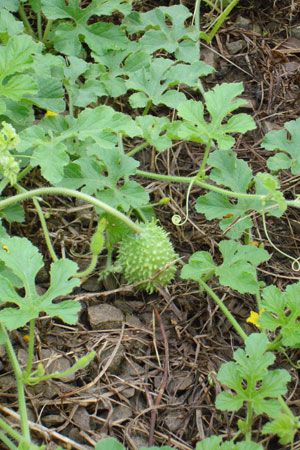
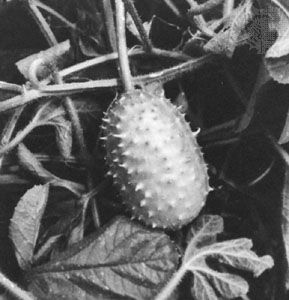
The true gherkin is the Cucumis anguria, a trailing annual vine in the Cucurbitaceae family. This plant is native to southern Africa and produces small, furrowed, and prickly fruits that grow to about 5 cm (2 inches) in length.1
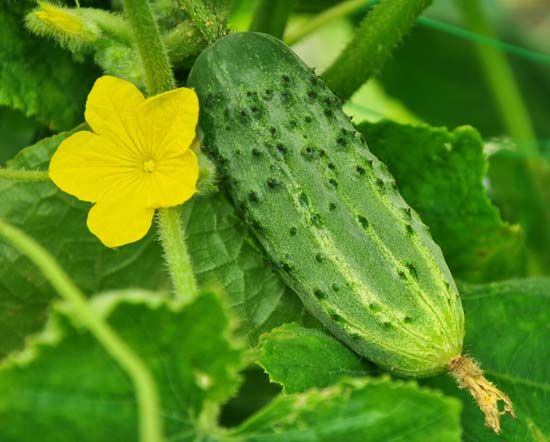
However, most commercial “gherkins” found in grocery stores are not the true gherkin plant. Instead, they are the immature, small fruits of the common cucumber (Cucumis sativus). While the true gherkin is a distinct species, these immature cucumbers are harvested early specifically for use in pickle mixtures.123
Additionally, the “Mexican sour gherkin,” or mouse melon (Melothria scabra), is often associated with the name but is not a true gherkin. It is grown for its tiny, savory fruits that look like miniature watermelons.1
How are gherkins typically used in culinary applications?
Gherkins are primarily valued for their versatility in the kitchen, where they are utilized in several ways depending on the variety and maturity of the fruit.
- Pickling: This is the most common culinary application for both the true gherkin (Cucumis anguria) and the immature fruits of the common cucumber. They are frequently preserved in pickle mixtures, which enhances their texture and provides a tangy, acidic flavor profile.21
- Raw Consumption: The fruits of the true gherkin plant can be served raw, often utilized in salads or as a crunchy snack.1
- Cooked Dishes: Beyond pickling and raw preparation, gherkins can be cooked, allowing them to be incorporated into various savory recipes.1
While commercial products labeled as gherkins are typically small, immature cucumbers, the true gherkin is a distinct species known for its prickly, furrowed exterior. Additionally, the “Mexican sour gherkin” is often used in culinary settings for its unique appearance and savory taste, though it is botanically unrelated to the true gherkin.21
How did gherkins become popular in various cuisines around the world?
The popularity of gherkins and pickled cucumbers stems from the ancient practice of pickling, a method used to preserve fruits and vegetables through fermentation or immersion in acidic solutions like vinegar. As one of the oldest preserved foods, this technique allowed cultures worldwide to extend the shelf life of harvests, eventually becoming a staple in diverse culinary traditions.42
Regional preferences have shaped how these items are enjoyed today:
- Northern and Eastern Europe: Pickles are considered a delicacy. In Russia, they are essential to zakuski (appetizers) served with vodka, often prepared with pungent spices.4
- Middle East: In countries like Turkey and Lebanon, brine-cured pickles are commonly served as appetizers alongside olives and other pickled vegetables.4
- North America: The preference leans toward “dill pickles,” which are often sweeter and milder in flavor compared to their European counterparts.4
While the true gherkin (Cucumis anguria) is a distinct species, the widespread global popularity of “gherkins” is largely driven by the use of immature common cucumbers in these diverse pickling styles.45
How are gherkins harvested and processed for commercial use?
Commercial gherkins are typically harvested as the immature fruits of the common cucumber (Cucumis sativus), rather than the true gherkin (Cucumis anguria), which is a distinct species of the gourd family.21
In commercial production, these cucumbers are picked while they are still small and underdeveloped to ensure the desired size and texture for pickle mixtures. to ensure the desired size and texture for pickle mixtures. Once harvested, the fruits undergo processing that typically involves immersion in an acidic solution, such as vinegar, or a fermentation process to preserve them and develop their characteristic tangy flavor. While the true gherkin plant produces small, furrowed, and prickly fruits that can be eaten raw, cooked, or pickled, the commercial industry relies on the immature common cucumber to meet consumer demand for these small, preserved snacks.21
Sources
- gherkin — Encyclopædia Britannica
- gherkin — Merriam-Webster
- Cucumber — Encyclopædia Britannica
- pickle — Encyclopædia Britannica
- food preservation - Pickled fruits and vegetables — Encyclopædia Britannica
Published on · 3 min read