Melon
Melons are trailing vines in the Cucurbitaceae family, native to central Asia. While often confused, there are seven distinct cultivar groups of Cucumis melo…
What are the main types of melons and how do they differ?
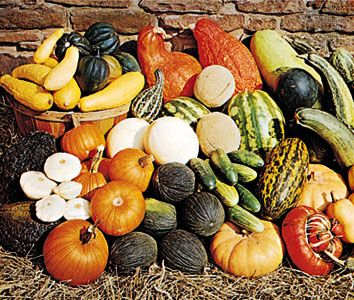
Melons are trailing vines in the Cucurbitaceae family, native to central Asia. While often confused, there are seven distinct cultivar groups of Cucumis melo that differ in rind texture, flesh color, and flavor.1
Primary Cultivar Groups
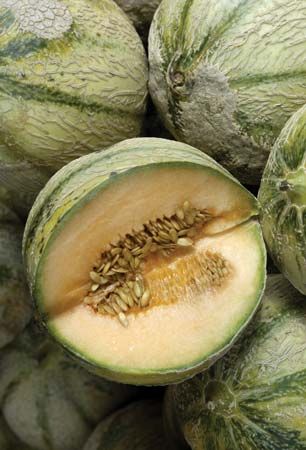
- Reticulatus (Netted Melons): Often called muskmelons, these feature a net-ribbed rind and sweet orange flesh. In the United States, they are frequently mislabeled as cantaloupes.12
- Cantalupensis (True Cantaloupes): These possess a rough, warty rind and sweet orange flesh. They are common in European markets and distinct from the North American netted varieties.12
- Inodorus (Winter Melons): These include honeydew, casaba, and Persian melons. They are large, smooth-skinned, and have a mild flavor with light green or white flesh. Unlike netted melons, they ripen slowly in storage.1
- Specialty Groups:
- Flexuosus: Known as snake or serpent melons, these are long, thin, and have cucumber-like, slightly acidic flesh.1
- Conomon: Asian pickling melons with greenish, non-sweet, and non-musky flesh.1
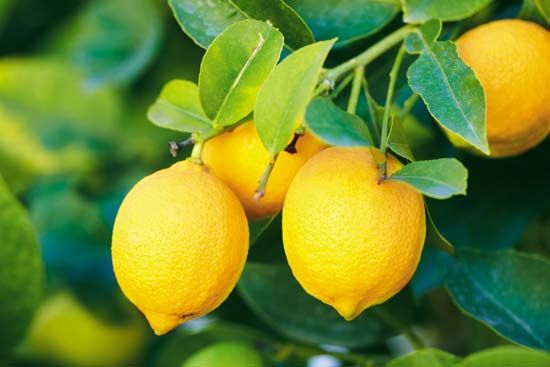
- Chito: Mango melons, similar in size to a lemon or orange with whitish, cucumber-like flesh a lemon or orange with whitish, cucumber-like flesh.1
- Dudaim: Fragrant but inedible ornamental fruit.1
What are some common pests and diseases that affect melon plants?
Melon plants (Cucumis melo) are susceptible to various pests and diseases that can significantly impact their growth and fruit quality. Managing these threats often requires a combination of cultural practices, resistant varieties, and targeted treatments.
Common Diseases
Melon plants are frequently affected by several fungal and bacterial issues:
- Powdery Mildew: This widespread disease causes a white, powdery fungal growth on leaves, stems, and fruits. It thrives in crowded, poorly aerated conditions. Management includes improving air circulation, removing infected parts, and using treatments like sulfur dust, neem oil, or baking soda solutions.3
- Fusarium Wilt: Caused by a soil-inhabiting fungus (Fusarium oxysporum), this disease leads to stunted growth, yellowing leaves, and eventual wilting and death. Because the fungus can persist in soil indefinitely, crop rotation is often ineffective; planting resistant varieties is the most reliable management strategy.4
- Other Fungal Diseases: Melons are also prone to downy mildew and anthracnose.5
- Bacterial Diseases: Bacterial infections can be difficult to control due to their rapid invasion of plant tissues. Protective insecticidal sprays are sometimes used to control the insects that transmit these diseases, and sanitary measures—such as destroying weeds and sterilizing tools—are essential for reducing incidence.1
Common Pests
- Melon Aphids (Aphis gossypii): These sap-sucking insects can stunt plant growth and cause leaf deformation. More critically, they act as vectors for various plant viruses.6
- Management: While natural predators like ladybird beetles and lacewings often keep aphid populations in check, severe infestations may require insecticidal soaps or horticultural oils. Additionally, using reflective aluminum strips as mulch can help deter aphids and protect plants from the mosaic diseases they transmit.67
How can you tell when a melon is ripe and ready to be harvested?
Determining when a melon is ready for harvest depends on the specific variety, as different groups exhibit distinct signs of maturity.
Netted Melons and Cantaloupes
For the Reticulatus group (often called muskmelons) and the Cantalupensis group (true cantaloupes), ripeness is indicated by two primary signs:
- Aroma: The fruit will begin to give off a sweet, fruity odor.21
- The “Slip”: These melons are ready when they “slip,” meaning the fruit breaks away readily from the stalk at the point of union.1
Winter Melons
The Inodorus group, which includes honeydew and casaba melons, does not “slip” from the vine. Instead:
- Color Change: These melons are considered ripe when their rind turns yellow.1
- Harvest Method: Because they do not detach naturally, they must be cut from the vine with a tool. These varieties mature slowly in storage, becoming softer over time, though they do not typically become sweeter after being harvested.1
What is the botanical classification of melons, and how are they related to other fruits?
The melon (Cucumis melo) is a trailing vine belonging to the gourd family, Cucurbitaceae, which falls under the order Cucurbitales. Botanically, the fruit of the melon is classified as a pepo, a specialized type of berry characterized by a fleshy interior and a tough, hard rind.18
Melons are closely related to other members of the Cucurbitaceae family, including cucumbers, squashes, pumpkins, and watermelons. Like these relatives, melon plants are typically frost-tender annuals that feature hairy, trailing stems, spirally coiled tendrils, and unisexual flowers.189
While some plants are colloquially called “melons,” they are not always botanically related. For example, the papaya (tree melon) belongs to the family Caricaceae, and the pear melon (melon shrub) is a member of the Solanaceae family.1
Sources
- melon — Encyclopædia Britannica
- muskmelon — Encyclopædia Britannica
- Plant disease - Control — Encyclopædia Britannica
- aphid — Encyclopædia Britannica
- Powdery mildew — Encyclopædia Britannica
- Fusarium wilt — Encyclopædia Britannica
- Agricultural technology - Mechanical and cultural controls — Encyclopædia Britannica
- Cucumber — Encyclopædia Britannica
- Cucurbitaceae — Encyclopædia Britannica
- Is a Tomato a Fruit or a Vegetable? — Encyclopædia Britannica
Published on · 4 min read