Gourd
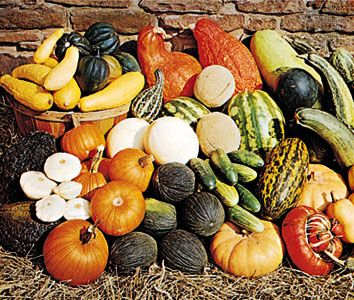
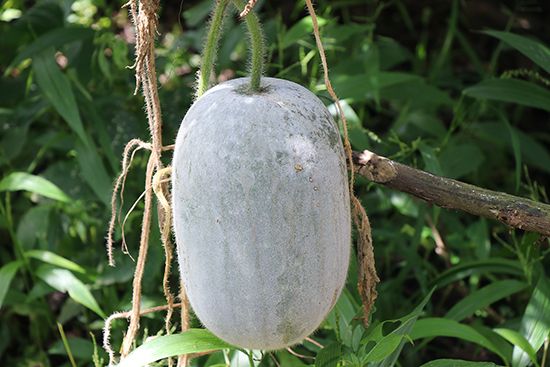
The Cucurbitaceae family, commonly known as the gourd family, consists of approximately 975 species of flowering plants that thrive in tropical and temperate…
What are the main characteristics of plants in the gourd family?
The Cucurbitaceae family, commonly known as the gourd family, consists of approximately 975 species of flowering plants that thrive in tropical and temperate climates. These plants are generally sensitive to frost and require a long growing season to reach maturity.123
Key characteristics include:
- Growth Habit: Most species are fast-growing, prostrate, or climbing vines that utilize spirally coiled tendrils to support their stems.13
- Leaves: They typically feature long-stalked, palmate leaves that alternate along the stem.1
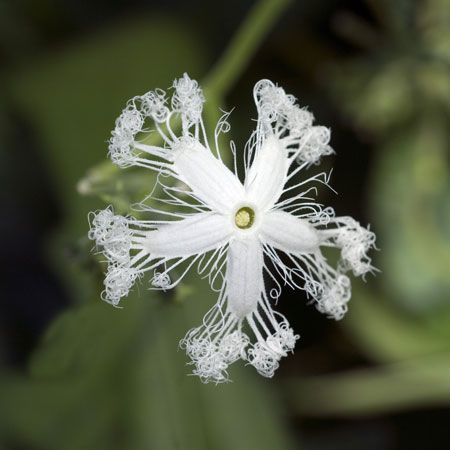
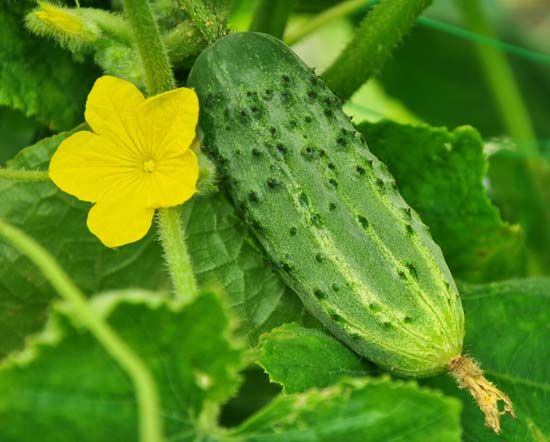
- Flowers: The plants usually produce unisexual flowers with five white or yellow petals, borne in the leaf axils.13
- Fruit: The characteristic fruit is a pepo, which is a fleshy, many-seeded berry encased in a tough rind.13
This family includes many important food crops, such as cucumbers, melons, squashes, and pumpkins, as well as various ornamental gourds used for decoration or as functional objects.123
How are gourds used in different cultures around the world?
Gourds have been utilized by cultures worldwide for centuries, primarily due to the durability and versatility of their hard-shelled fruits once dried.56
Practical and Household Uses
Dried gourds, particularly the bottle gourd (Lagenaria siceraria), are frequently fashioned into functional containers. Their natural shapes make them ideal for:57
- Utensils: They are commonly crafted into cups, ladles, scoops, and bottles.5
- Tools: Historically, they have served as fishnet floats and birdhouses.5
- Social Customs: In some cultures, small gourds are used as vessels for drinking, such as the traditional consumption of beverages through a straw.6
Musical Instruments
Gourds are integral to the musical traditions of nearly every continent, often serving as resonators or structural components.58
- Percussion: They are the foundation for many rattles, including the West African shekere and the Latin American maracas and guiro. The Indian kanjira is another notable percussion instrument featuring gourd components.5
- Stringed Instruments: Gourds provide essential resonance for instruments like the Indian sitar, the tanpura, and the vina, as well as the Gambian kora.58
- Wind Instruments: Various forms of gourd mouth organs are found throughout East and Southeast Asia5.
How have gourds been used historically as tools and containers?
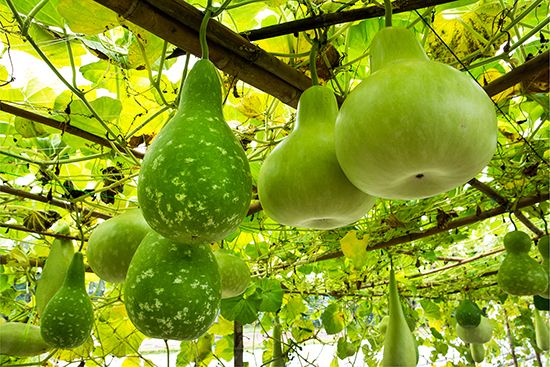
Historically, gourds—particularly the bottle gourd (Lagenaria siceraria)—have been prized for their hard, durable rinds, which allow them to be dried and fashioned into a variety of functional objects. Because these fruits grow in diverse shapes, they have been adapted by cultures worldwide to serve as essential tools and containers.58
Common historical uses include:
- Containers and Utensils: Dried gourds are frequently crafted into water bottles, cups, bowls, scoops, and ladles. Their natural shapes, sometimes referred to by names like “dipper” or “kettle,” make them highly practical for storing liquids or serving food.58
- Household and Utility Tools: Beyond kitchenware, gourds have been used to create fishnet floats, pipes, and even birdhouses.58
- Musical Instruments: Gourds serve as critical structural components or resonators for instruments across nearly every continent. They are used to build various rattles (such as the shekere and maracas), percussion instruments (like the guiro), and stringed instruments (including the sitar and kora).5
What are some popular decorative uses for gourds in art and crafts?
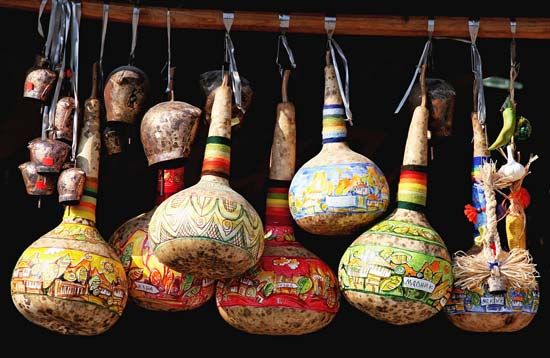
Gourds are widely valued in art and crafts due to their hard, durable rinds and diverse natural shapes, which make them excellent canvases for creative expression.56
Popular Decorative and Artistic Uses
Beyond their historical utility as containers and tools, gourds are frequently cultivated and prepared specifically for aesthetic purposes:
- Ornamental Displays: Many species are grown primarily as ornamentals, prized for their unique textures, colors, and forms. They are often used in seasonal arrangements or as standalone decorative pieces.56
- Crafted Art Objects: Once dried, the tough rind of a gourd can be carved, painted, or embellished. Artists often transform them into intricate sculptures or decorative vessels.5
- Musical Artistry: Because gourds are used to construct instruments like the shekere or maracas, these items often feature elaborate beadwork, carvings, or painted designs, serving as both functional musical tools and visual art pieces.56
- Customized Vessels: Gourds are often decorated to serve as personalized cups or bottles, sometimes featuring detailed engravings or finishes that reflect cultural traditions.56
Sources
- Cucurbitaceae — Encyclopædia Britannica
- list of plants in the family Cucurbitaceae — Encyclopædia Britannica
- Cucurbitales — Encyclopædia Britannica
- Yellow-flowered gourd — Encyclopædia Britannica
- gourd — Encyclopædia Britannica
- gourd — Merriam-Webster
- stringed instrument - Artistry in instrument making — Encyclopædia Britannica
- bottle gourd — Merriam-Webster
- Bottle gourd — Encyclopædia Britannica
Published on · 3 min read