Gibraltar Remains
The discovery of the Gibraltar remains has been pivotal in shaping our understanding of Neanderthal history and human evolution. By providing some of the…
How has the discovery of the Gibraltar remains influenced archaeological practices in the region?
The discovery of the Gibraltar remains has been pivotal in shaping our understanding of Neanderthal history and human evolution. By providing some of the earliest and most significant fossil evidence, these finds have allowed researchers to document the biological and social realities of Neanderthal life during the Pleistocene Epoch.12
Archaeological investigations at sites such as Forbes’ Quarry, Devil’s Tower, Gorham’s Cave, and Vanguard Cave have influenced the field in several ways:
- Chronological Insights: Evidence from these caves confirmed that Middle Paleolithic technology persisted in the region until approximately 30,000 years ago, demonstrating that Neanderthals in southern Spain maintained their traditional toolmaking methods long after they had been replaced elsewhere in Europe.1
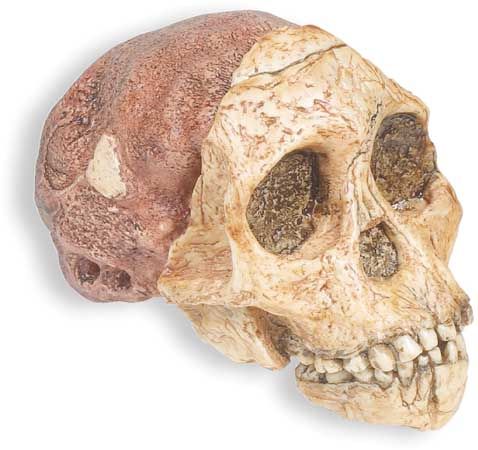
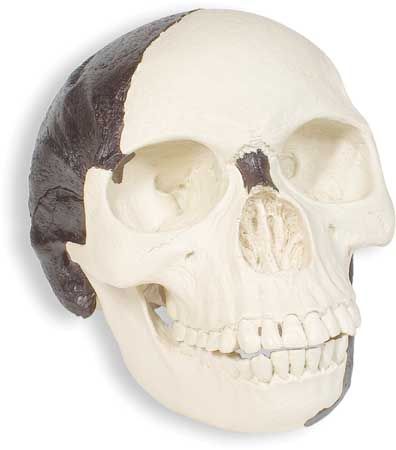
- Biological Analysis: The remains have provided critical data on Neanderthal health and development. For instance, the Forbes’ Quarry skull offered potential evidence of menopause, while the Devil’s Tower child’s skull revealed developmental defects linked to seasonal starvation, highlighting the extreme hardships these populations faced.1
How do the Gibraltar remains compare to other Neanderthal fossils found in Europe?
The Gibraltar remains are significant for their role in the history of paleoanthropology, as the Forbes’ Quarry skull represents the second Neanderthal fossil ever discovered. When compared to other European Neanderthal fossils, these remains provide unique insights into both biology and cultural longevity:12
- Biological Parallels: The Forbes’ Quarry skull exhibits dental wear patterns consistent with those found in other Neanderthals over the age of 40, where teeth are worn down and rounded from extensive use. Similarly, the developmental defects observed in the Devil’s Tower child’s skull—indicative of seasonal starvation—reflect a common hardship documented across other Neanderthal populations.1
- Unique Evolutionary Evidence: The Forbes’ Quarry skull contains a bony growth on the interior of the forehead associated with menopause, potentially serving as the oldest evidence of this biological trait in the human lineage.1
- Cultural Persistence: Unlike many other European sites where Middle Paleolithic technology was replaced by more advanced methods earlier, the Gibraltar sites confirm that these traditional toolmaking practices persisted until approximately 30,000 years ago, marking a distinct regional survival.1
What are the Gibraltar remains and where were they discovered?
The Gibraltar remains are a collection of Neanderthal fossils and associated archaeological materials discovered in the limestone caves of Gibraltar, located on the southern tip of Spain.1
These remains were recovered from four primary sites, which provided significant evidence of human occupation during the late Pleistocene Epoch:1
- Forbes’ Quarry: The site of the second Neanderthal fossil ever discovered—a skull of an older adult female found in 1848.1
- Devil’s Tower: A site that yielded a Paleolithic tool assemblage and the remains of a child’s skull in 1926.1
- Gorham’s Cave and Vanguard Cave: These locations provided archaeological evidence confirming that Middle Paleolithic technology persisted in the region until approximately 30,000 years ago, significantly longer than in other parts of Europe.1
The fossils have offered unique insights into Neanderthal life, including evidence of menopause and the physical toll of seasonal starvation.1
How old are the Gibraltar remains and what species do they belong to?
The Gibraltar remains belong to the species Homo neanderthalensis, commonly known as Neanderthals.12
These fossils and their associated archaeological materials date to the late Pleistocene Epoch, a period spanning approximately 126,000 to 11,700 years ago. Furthermore, archaeological evidence from sites such as Gorham’s Cave and Vanguard Cave indicates that Neanderthals occupied the region and maintained Middle Paleolithic technologies until approximately 30,000 years ago, marking a period of survival that extended beyond the disappearance of these methods in other parts of Europe.12
Sources
- Gibraltar remains — Encyclopædia Britannica
- Gibraltar: Top Questions — Encyclopædia Britannica
Published on · 3 min read