Gigantopithecus
Gigantopithecus is a genus of large, extinct apes represented by the single species Gigantopithecus blacki. Often cited as the largest hominid known, this…
What is Gigantopithecus and when did this extinct ape genus live?
Gigantopithecus is a genus of large, extinct apes represented by the single species Gigantopithecus blacki. Often cited as the largest hominid known, this primate stood approximately 3 meters (9.8 feet) tall and weighed between 200 and 300 kg (441–661 pounds).1
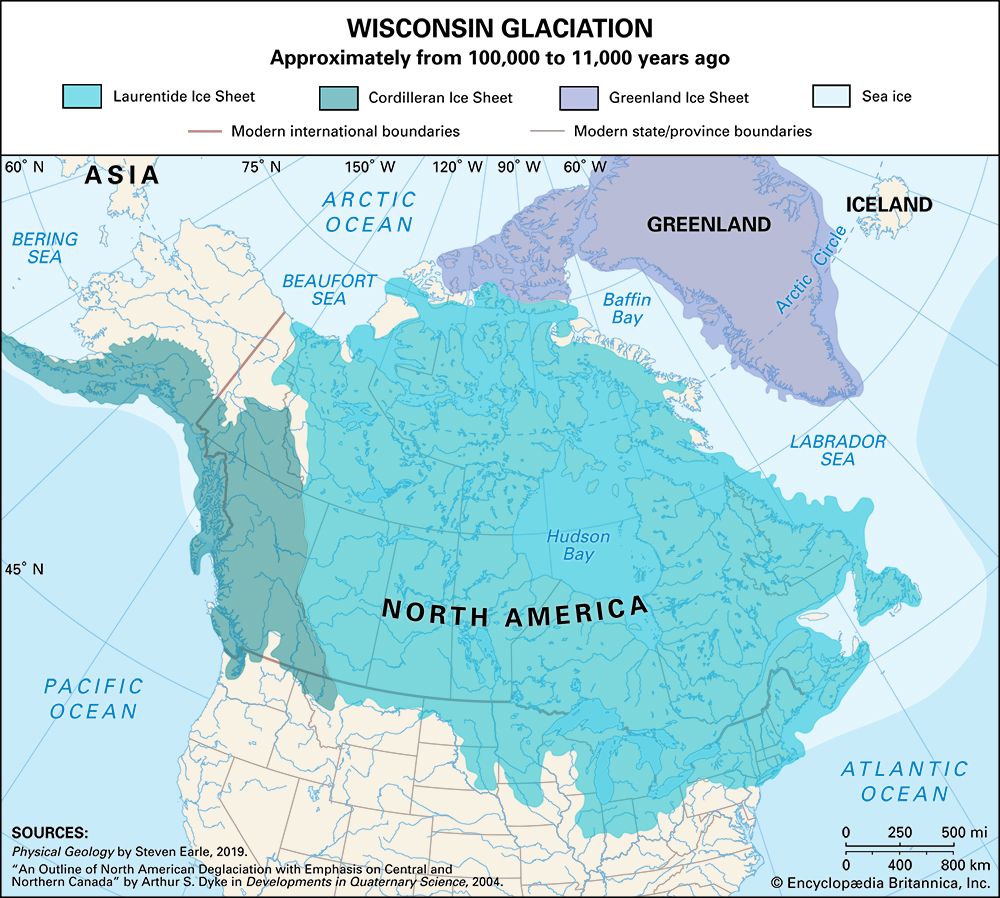
The genus lived during the Pleistocene Epoch. While fossil evidence—primarily teeth and jaw fragments—dates the species to between approximately 2 million and 300,000 years ago, some research suggests it may have survived in parts of Southeast Asia until as late as 100,000 years ago. G. blacki was likely restricted to forested habitats in southern China and potentially neighboring regions, where it relied on a diet of plants. The species is believed to have gone extinct as cooling temperatures caused the loss of the forests it depended upon for survival.1
How has our understanding of Gigantopithecus changed over time with new discoveries?
Our understanding of Gigantopithecus has evolved significantly since its initial discovery. Early specimens were identified by G.H.R. von Koenigswald in Chinese drugstores between 1935 and 1939, where they were sold as “dragon’s teeth.” Because these teeth were exceptionally large yet possessed human-like features, some early researchers speculated that they belonged to giant human ancestors.13
Subsequent discoveries of complete mandibles and thousands of teeth in caves confirmed that the genus was actually an extinct ape. Modern analysis has further refined our knowledge:
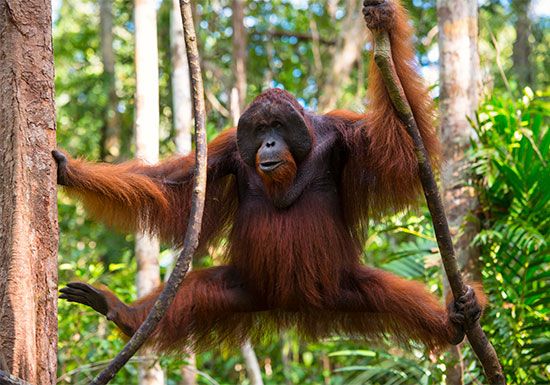
- Taxonomy: A 2019 DNA study of a 1.9-million-year-old tooth confirmed that Gigantopithecus is a sister genus to Pongo (orangutans), diverging 10–12 million years ago.1
- Classification: A second species, G. bilaspurensis, was removed from the genus in 2003 and reclassified as Indopithecus giganteus, clarifying that G. blacki is a distinct, late-surviving lineage.1
- Range and Timeline: While once thought to be restricted to southern China, fossils in Vietnam and Thailand suggest a wider geographic range and potential survival until 100,000 years ago, possibly overlapping with Homo erectus.13
What evidence do we have of Gigantopithecus’s existence?
Evidence for the existence of Gigantopithecus is primarily based on a collection of fossilized remains discovered in caves across southern China, as well as potential specimens from northern Vietnam and Thailand.13
The fossil record for the species Gigantopithecus blacki consists of:
- Teeth: Nearly 2,000 molars, canines, and other teeth, which were first identified by paleontologist G.H.R. von Koenigswald in Chinese drugstores during the 1930s.13
- Jaws: Four partial mandibles that confirmed the genus was an extinct ape rather than a giant human ancestor.13
- Postcranial remains: A possible piece of a distal humerus.1
In 2019, researchers successfully analyzed DNA from a 1.9-million-year-old tooth, providing genetic evidence that Gigantopithecus is a sister genus to modern orangutans. These findings, combined with dental measurements, have allowed scientists to reconstruct the primate’s physical characteristics and evolutionary history.1
What theories exist about the extinction of Gigantopithecus?
The extinction of Gigantopithecus blacki is primarily attributed to significant environmental shifts during the Pleistocene Epoch.
Paleontologists believe the species was highly specialized for life in forested habitats, relying on powerful grinding teeth to process leaves and other plant materials. As regional temperatures cooled, these essential forest environments were reduced and eventually eliminated. This loss of habitat likely deprived the massive primate of its primary food sources, leading to its eventual extinction.3
While some researchers have suggested that Gigantopithecus may have possessed dental specializations for foraging in grassland environments where tree products were scarce, the prevailing theory remains that the species’ dependence on forest ecosystems made it vulnerable to the climatic changes that transformed the landscape of southern China and Southeast Asia.43
Sources
- Gigantopithecus — Encyclopædia Britannica
- Gigantopithecus — Merriam-Webster
- primate - Pleistocene — Encyclopædia Britannica
- human evolution - Hominin habitats — Encyclopædia Britannica
Published on · 3 min read