Paranthropus
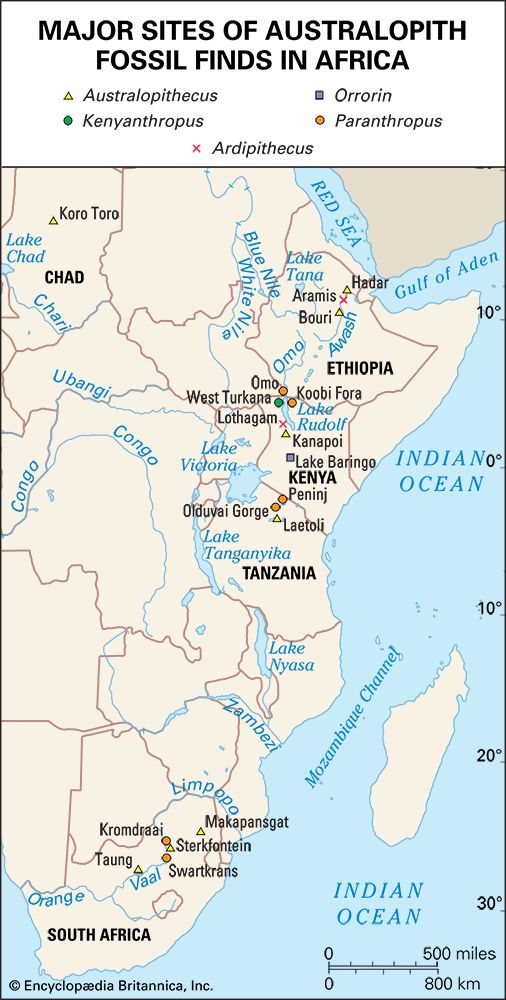
Paranthropus is a genus of extinct primates that lived in eastern and southern Africa approximately 2.9 to 1.2 million years ago. Often referred to as…
What is Paranthropus?
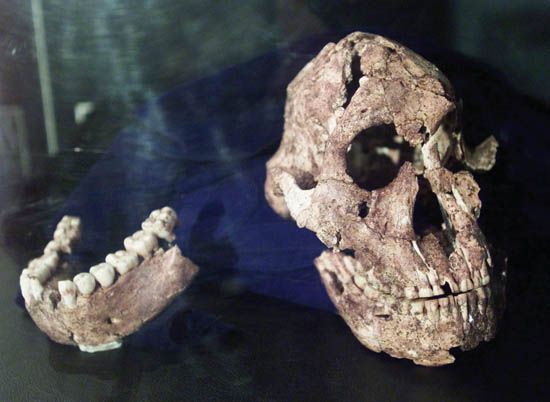
Paranthropus is a genus of extinct primates that lived in eastern and southern Africa approximately 2.9 to 1.2 million years ago. Often referred to as “robust australopiths,” these hominids are characterized by their specialized, powerful chewing apparatus, which includes massive jaws, large cheek teeth, and a prominent sagittal crest (a ridge of bone on the top of the skull).1234
The genus includes three primary species: P. aethiopicus, P. robustus, and P. boisei. While many researchers classify them as a distinct genus, others argue they should be included within the genus Australopithecus. Although they share a close evolutionary relationship with the human lineage, they are not considered direct ancestors of modern humans. Recent evidence suggests that P. boisei may have been capable of tool use, indicating a level of complexity previously associated primarily with the genus Homo.152
What are the main differences between Paranthropus and Australopithecus?
While both Paranthropus and Australopithecus are classified as australopiths, they exhibit distinct anatomical and dietary differences. Some scholars categorize the “robust” species (P. aethiopicus, P. robustus, and P. boisei) into the separate genus Paranthropus, while others group them within Australopithecus.15
Key Differences
- Chewing Apparatus: Paranthropus is defined by extreme specializations for powerful chewing, including massive jaws, very large cheek teeth, and flaring cheekbones. In contrast, Australopithecus species possess more “gracile” (slender) skulls.17
- Cranial Features: To support their heavy chewing muscles, Paranthropus skulls feature prominent sagittal crests—ridges of bone on the top of the braincase—and relatively flat faces. Australopithecus faces are generally more protruding because their incisors and canines were not as reduced as those of Paranthropus.47
- Dietary Adaptations: Dental wear patterns suggest Paranthropus was adapted for consuming tough, hard foods, such as pods, fruits with hard coatings, and seeds. While Australopithecus also had large rear teeth, evidence suggests they may have had a more varied diet, potentially including more meat.4
Why were Paranthropus species often called ‘robust’?
Paranthropus species are referred to as “robust” because of their specialized, heavily built anatomical features, which are primarily adaptations for powerful chewing.89
These “robust” characteristics include:
- Massive Jaws and Teeth: They possessed huge cheek teeth and massive, deep jaws designed to process tough, hard foods like seeds, pods, and fruits with hard coatings.879
- Cranial Crests: To support the large temporalis muscles required for such intense mastication, their skulls featured a prominent sagittal crest—a ridge of bone running along the top of the head—and flaring cheekbones (zygomatic arches).879
- Facial Structure: Compared to the more “gracile” Australopithecus, Paranthropus skulls exhibit relatively flat faces with nonprotruding jaws, as their incisors and canines were significantly reduced over time.79
While these features make their skulls appear quite different from those of modern humans, it is important to note that their bodies were relatively petite, with males and females weighing significantly less than modern humans. The term “robust” specifically highlights these exaggerated masticatory structures rather than the overall body size of the species.89
What does the discovery of potential tool use in Paranthropus suggest about their intelligence?
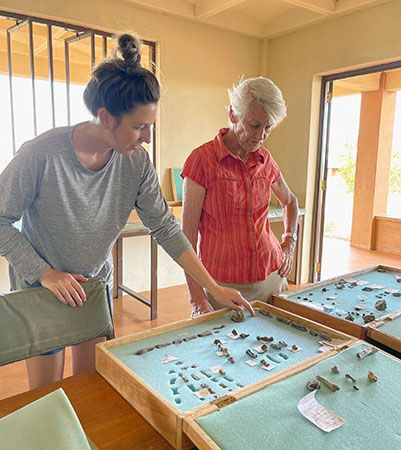
The discovery of hand bones associated with Paranthropus boisei, announced in 2025, provides significant evidence that this species may have been capable of both a strong grip and precise, limited hand movements. This suggests that Paranthropus possessed the physical capacity to fashion and use tools, challenging the long-held assumption that such behaviors were exclusive to the genus Homo.103
While these findings indicate that Paranthropus had the anatomical potential for tool use, scientists remain cautious about equating this with specific levels of intelligence. The ability to manipulate objects does not necessarily correlate with the complex cognitive capabilities—such as symbolic communication or language—often associated with later human evolution. Furthermore, because early stone tool industries like the Oldowan were relatively simple and not standardized, it is difficult to determine whether such tools were the result of advanced planning or more opportunistic behavior.71112
Ultimately, the evidence suggests that tool use may have been a more widespread trait among early hominins than previously believed, rather than a unique marker of superior intelligence within the Homo lineage.31013
Sources
- Australopithecus - Australopithecus aethiopicus — Encyclopædia Britannica
- Paranthropus — Merriam-Webster
- Paranthropus — Encyclopædia Britannica
- Paranthropus: Top Questions — Encyclopædia Britannica
- Australopithecus — Encyclopædia Britannica
- human evolution - Hominin habitats — Encyclopædia Britannica
- human evolution - Reduction in tooth size — Encyclopædia Britannica
- Australopithecus - Australopithecus robustus and Australopithecus boisei — Encyclopædia Britannica
- parietal bone — Encyclopædia Britannica
- Homo — Encyclopædia Britannica
- human evolution - Increasing brain size — Encyclopædia Britannica
- Homo habilis - Behavioral inferences — Encyclopædia Britannica
- human evolution - Refinements in hand structure — Encyclopædia Britannica
- Oldowan industry — Encyclopædia Britannica
Published on · 3 min read