Glarus Alps
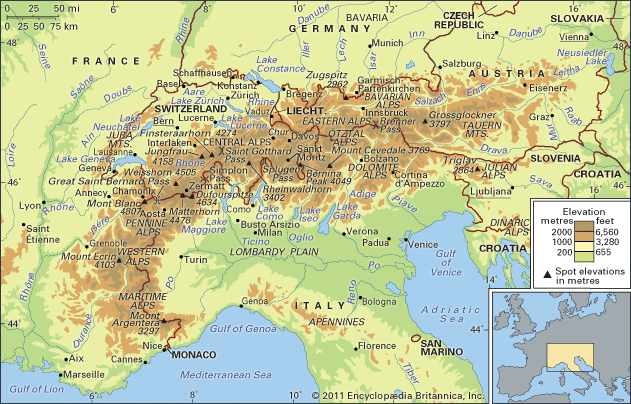
The Glarus Alps are a segment of the Central Alps located primarily within the Glarus canton of east-central Switzerland. Situated north of the Vorderrhein…
What is Glarus Alps?
The Glarus Alps are a segment of the Central Alps located primarily within the Glarus canton of east-central Switzerland1. Situated north of the Vorderrhein River, the range stretches eastward to the Rhine River and northward to the Klausen Pass and the Walensee.1
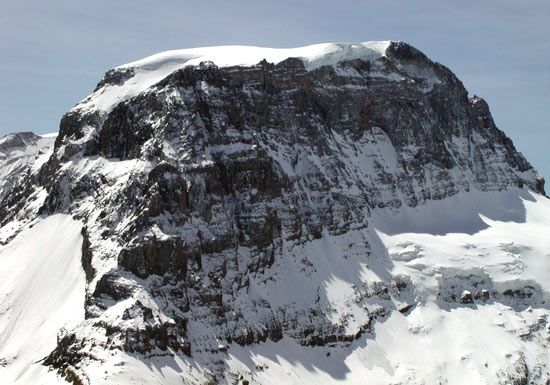
The region is characterized by glacier-covered peaks, the highest of which is Tödi, reaching an elevation of 11,857 feet (3,614 meters). The northern slopes support traditional cattle raising and dairying, while the area is also well-known for its winter sports facilities and health resorts. In 2008, the Glarus Alps were recognized as part of the Swiss Tectonic Arena Sardona and designated a UNESCO World Heritage site due to their geological significance.1
What is the Glarus Thrust and why is it geologically significant?
The Glarus Thrust is a major geological feature located within the Swiss Tectonic Arena Sardona, which was designated a UNESCO World Heritage site in 2008 due to its exceptional scientific value.13
The thrust is geologically significant because it provides a clear, visible record of mountain-building processes. It represents a massive displacement where older rock layers were pushed over younger ones during the formation of the Alps. This distinct layering allows geologists to study the mechanics of tectonic plate collisions and the structural evolution of mountain ranges with unusual clarity.1
What makes the Swiss Tectonic Arena Sardona a UNESCO World Heritage site?
The Swiss Tectonic Arena Sardona was designated a UNESCO World Heritage site in 2008 primarily due to its exceptional geological significance.13
This region serves as a premier site for observing the process of mountain building, specifically through the Glarus Alps. The area provides a clear, visible record of tectonic plate collisions, where older rock layers were thrust over younger ones. This dramatic geological phenomenon offers scientists a unique opportunity to study the structural evolution of mountain ranges with remarkable clarity.1
How do glaciers shape the landscape of the Swiss Alps?
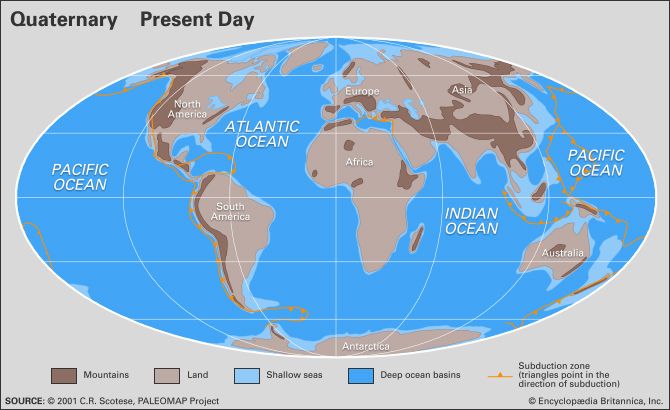
Glaciers have played a transformative role in shaping the landscape of the Swiss Alps, acting as powerful agents of erosion and deposition throughout the Quaternary Period.5
Erosional Features
Glaciers dramatically reshape the terrain by carving out distinct landforms:
- U-Shaped Valleys: Glaciers widen and deepen existing V-shaped river valleys into broad, parabolic U-shaped valleys with steep, vertical sidewalls.56
- Cirques and Horns: High-altitude erosion creates cirques—amphitheatre-shaped hollows—which can contain tarns (lakes). When multiple cirques erode a mountain from different sides, they leave behind sharp, jagged ridges known as arêtes and iconic peaks called horns, such as the Matterhorn.56
- Hanging Valleys: As main glaciers deepen the primary valley, tributary valleys are left high above the floor, often resulting in spectacular waterfalls like the Staubbach.5
Depositional Features
As glaciers move and eventually melt, they leave behind significant deposits:
- Moraines: Glaciers transport vast amounts of rock debris, depositing it as moraines. These include lateral moraines along valley slopes and terminal or recessional moraines that mark the glacier’s extent.7
- Lakes and Soils: Many deep, elongated lakes were formed in ice-scoured valleys, while morainic deposits have contributed to more fertile soils in the region.5
Sources
- Glarus Alps — Encyclopædia Britannica
- Switzerland - Services — Encyclopædia Britannica
- list of World Heritage sites - Switzerland — Encyclopædia Britannica
- Glarus — Encyclopædia Britannica
- Alps - Geology — Encyclopædia Britannica
- glacial landform - Cirques , tarns, U-shaped valleys, arêtes, and horns — Encyclopædia Britannica
- glacial landform - Moraines — Encyclopædia Britannica
Published on · 2 min read