Gran Paradiso
Gran Paradiso is the highest mountain located entirely within Italy, reaching an elevation of 13,323 feet (4,061 meters). It serves as the culminating point…
What is Gran Paradiso?
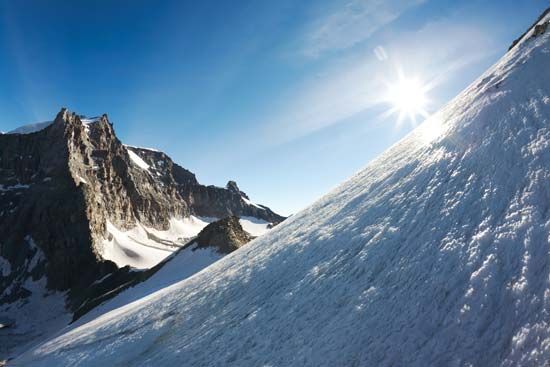
Gran Paradiso is the highest mountain located entirely within Italy, reaching an elevation of 13,323 feet (4,061 meters). It serves as the culminating point of the Graian Alps and is a prominent feature of the surrounding Alpine resort region. The mountain was first summited in September 1860 by the Englishman John Cowell.12
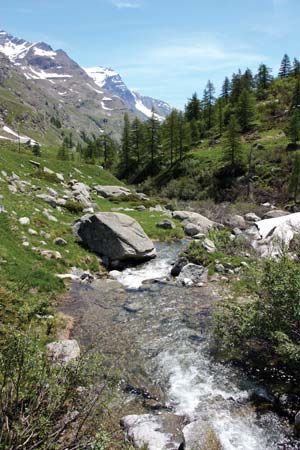
The peak is the central attraction of the Gran Paradiso National Park, which was established as a royal hunting reserve in 1856 before gaining autonomous status in 1947. The park spans over 150,000 acres and features diverse alpine terrain, including glaciers, meadows, and coniferous forests. It is home to a variety of wildlife, such as ibex, chamois, and golden eagles, and serves as a site for significant scientific research regarding climatology and mountain ecology.13
What animals are protected in Gran Paradiso National Park?
Gran Paradiso National Park serves as a vital sanctuary for various alpine species, playing a crucial role in conservation efforts. Most notably, the park was instrumental in preserving the Alpine ibex from extinction.3
The diverse animal population protected within the park includes:
- Alpine ibex: A sturdy, sure-footed wild goat that is the park’s most famous inhabitant.45
- Chamois: Agile mountain antelopes adapted to steep, rocky terrain.4
- Golden eagles: Large birds of prey that soar over the alpine peaks.4
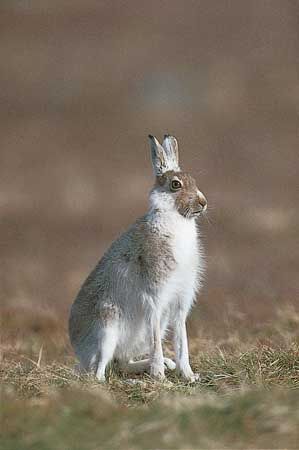
- Small mammals: Including ermine (stoat), weasels, and hares.4
These animals thrive within the park’s varied landscape, which ranges from coniferous forests and alpine meadows to high-altitude glaciers. The park continues to facilitate scientific research to better understand these species and the environmental challenges affecting the mountain ecosystem.4
How do glaciers shape the landscape of the Alps?
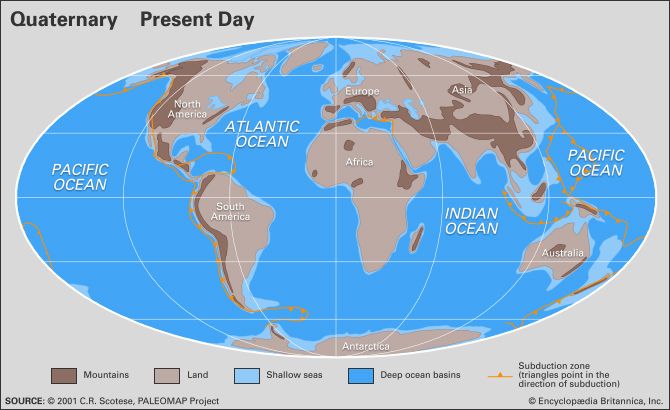
During the Quaternary Period, extensive glaciation fundamentally reshaped the Alps, transforming rugged, upthrust mountains into the iconic landscape seen today. Glaciers acted as powerful erosive agents, carving the terrain through several distinct processes:
- Valley Transformation: Glaciers widened and deepened existing V-shaped river valleys into characteristic U-shaped valleys with steep, often vertical walls.67
- High-Altitude Features: At the mountaintops, glaciers carved amphitheatre-like cirques. When multiple cirques eroded a mountain from different sides, they created sharp, jagged ridges known as arêtes and pointed peaks called horns, such as the Matterhorn.68
- Hanging Valleys: Because smaller tributary glaciers eroded their beds less deeply than the main glacier, their valleys were left high above the main valley floor, often resulting in dramatic waterfalls once the ice retreated.67
- Deposition and Lakes: Melting glaciers deposited vast quantities of sand and gravel, while ice-scoured basins filled with water to form deep, elongated lakes.6
What is the history of the Royal Hunting Reserve?
The history of the Royal Hunting Reserve is deeply tied to the origins of Gran Paradiso National Park. The area was initially established as a hunting zone in 1836. By 1856, it was formally designated as the Royal Hunting Reserve of the Gran Paradiso, a status that helped protect the region’s wildlife, particularly the Alpine ibex, from the threat of extinction.
Following this period of royal protection, the status of the land evolved significantly in the 20th century. In August 1947, a new law was passed that granted the park “autonomous organization” status, transitioning it from a private royal preserve into a protected national entity dedicated to conservation and scientific research. Today, the park encompasses over 150,000 acres, serving as a critical site for studying alpine ecology, climatology, and the diverse animal populations that inhabit its rugged terrain.
Sources
- Gran Paradiso — Encyclopædia Britannica
- Gran Paradiso — Merriam-Webster
- Gran Paradiso National Park — Encyclopædia Britannica
- Europe - Conservation — Encyclopædia Britannica
- ibex — Encyclopædia Britannica
- Alps - Geology — Encyclopædia Britannica
- glacial valley — Encyclopædia Britannica
- glacial landform - Cirques , tarns, U-shaped valleys, arêtes, and horns — Encyclopædia Britannica
Published on · 3 min read