Great Pyrenees
The Great Pyrenees is a large, powerful working dog believed to be of Asian origin, appearing in Europe between 1800 and 1000 BCE. Historically, they were…
What is Great Pyrenees?
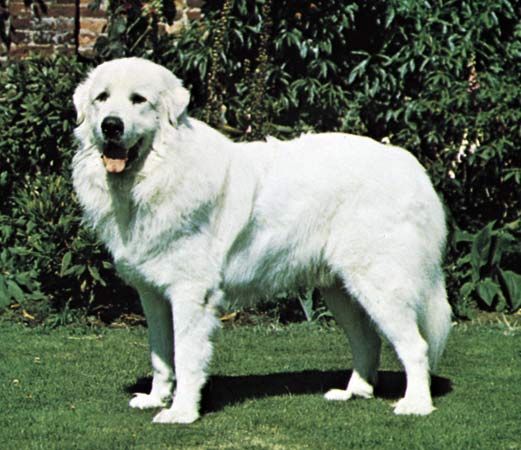
The Great Pyrenees is a large, powerful working dog believed to be of Asian origin, appearing in Europe between 1800 and 1000 BCE. Historically, they were used in the Pyrenees Mountains to protect sheep and cattle from predators like wolves and bears.12
Physically, the breed is massive, standing 25 to 32 inches tall and weighing between 90 and 125 pounds. They are characterized by a thick, long white coat—sometimes with gray or brown markings—drooping ears, and a distinctive rolling gait.12
Beyond their role as livestock guardians, these dogs have served as watchdogs and cart-pullers. During World War I, they were even utilized to transport contraband goods between France and Spain. Known for their loyalty and protective nature, they remain a prominent breed within the working group.12
What other dog breeds are known for guarding livestock?
Beyond the Great Pyrenees, several other dog breeds are specifically recognized for their ability to guard livestock. These breeds are valued for their protective instincts and ability to watch over herds and flocks.
Notable livestock guard breeds include:
- Komondor: A breed originating from Hungary, known for its distinctive corded coat and protective nature.45
- Kuvasz: A breed with origins in Tibet (China) that has long been utilized for guarding livestock.45
- Pyrenean Mountain Dogs: Recognized as a livestock guard breed in Britain.45
Additionally, while herding dogs are primarily known for managing the movement of animals, they are also considered capable of guarding livestock. In some regions, such as Canada, other breeds like the Eskimo dog are also included in the livestock guardian category.5
How do working dogs differ from other dog groups?
Working dogs are defined by their practical, specific roles in serving humans, such as guarding, leading, guiding, protecting, pulling, or performing rescue work. While they range in size, they are generally robust, muscular, and sturdy, characterized by high levels of intelligence, loyalty, strength, and alertness.36
Key Differences in Function and Temperament
The primary distinction between working dogs and other groups lies in their innate, breed-specific behaviors developed through generations of selection.4
- Business-like Disposition: Unlike some other groups, working and herding dogs possess a business-like temperament. They are inclined to evaluate situations and proactively set about their tasks.4
- Task Specialization:
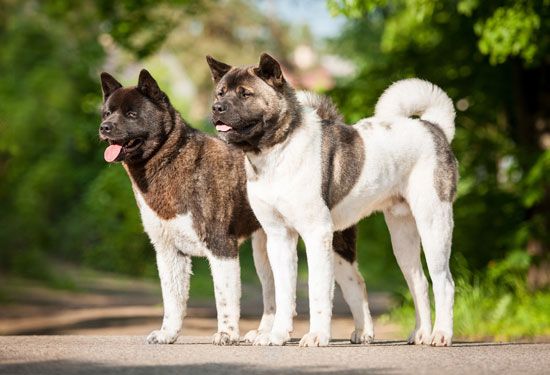
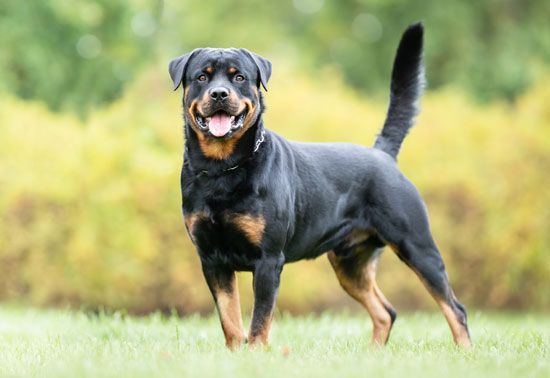
- Guard Dogs: Breeds like the Akita, Rottweiler, and Mastiff are selected for their protective instincts toward territory, home, or property.36
- Livestock Guardians: Breeds such as the Great Pyrenees, Komondor, and Kuvasz are specifically bred to protect flocks and are often raised with livestock from puppyhood to reinforce these instincts.364
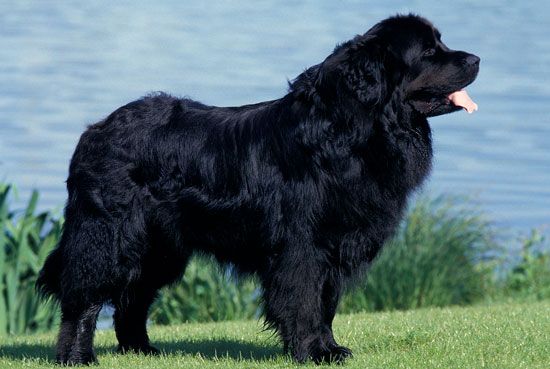
- Draft and Rescue: Dogs like the Newfoundland and St. Bernard are renowned for their lifesaving and hauling capabilities.364
- Herding vs. Working: In the United States, the American Kennel Club distinguishes between “Working” and “Herding” groups. While working dogs are often focused on guarding or physical labor, herding dogs are specialized in managing the movement of animals through agility, speed, and responsiveness to human signals like whistles or hand gestures.75
What are some common traits of large dog breeds?
Large dog breeds are characterized by a robust, muscular, and sturdy physical build, often possessing significant strength and alertness. While they share the same basic anatomy as smaller dogs, their size and mass contribute to distinct physiological and developmental patterns.389
Key Traits and Considerations
- Physical Development: Large breeds typically experience an accelerated rate of maturity compared to smaller dogs. Because of this rapid growth, they are more susceptible to certain health challenges, including joint problems and an increased risk of developing cancer or other disorders related to abnormal cellular growth.810
- Longevity: There is a notable inverse relationship between size and lifespan in the canine world. Larger dogs generally have shorter life expectancies—often ranging from 6 to 12 years depending on their specific size category—and are considered geriatric at an earlier age, typically around 5 or 6 years old.810
- Nutritional Needs: Proper growth is critical for large breeds. To support their development without inducing obesity, which can lead to crippling bone diseases, owners often opt for balanced feeding schedules, such as providing two meals daily throughout the dog’s life.11
- Exercise: Like all dogs, large breeds require regular, stimulating exercise to maintain sound temperament and health. However, forced or high-impact exercise should be avoided until the dog is fully mature to protect their developing skeletal structure.11
Sources
- Great Pyrenees — Encyclopædia Britannica
- Great Pyrenees — Merriam-Webster
- dog - Working dogs — Encyclopædia Britannica
- working dog — Encyclopædia Britannica
- dog - Herding dogs — Encyclopædia Britannica
- dog - The breeds — Encyclopædia Britannica
- dog - Breed-specific behaviour — Encyclopædia Britannica
- Why do small dogs live longer? — Encyclopædia Britannica
- dog - Skeletal structure — Encyclopædia Britannica
- Calculating dog years — Encyclopædia Britannica
- dog - General characteristics — Encyclopædia Britannica
- What is the Tallest Dog Breed? — Encyclopædia Britannica
- dog - Nutrition and growth — Encyclopædia Britannica
Published on · 3 min read