Newfoundland
The Newfoundland dog played a vital role in the island's historic fishing industry, serving as a versatile working companion for local fishers. Their…
What role did Newfoundland dogs play in the fishing industry of Newfoundland?
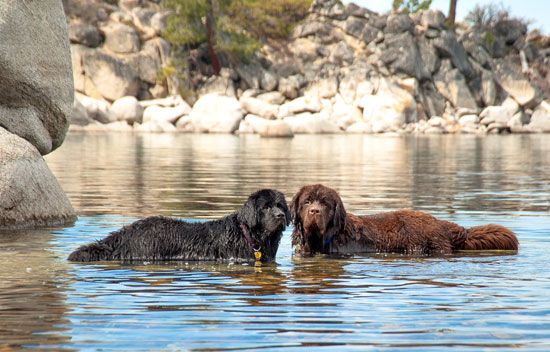
The Newfoundland dog played a vital role in the island’s historic fishing industry, serving as a versatile working companion for local fishers. Their physical characteristics—including large webbed feet, a heavy oily coat, and significant lung capacity—made them exceptionally well-suited for the cold waters of the region.12
In the context of the fishery, these dogs were primarily utilized for hauling in fishing nets, a task that leveraged their strength and swimming ability. Beyond their labor in the water, they were also employed as draft animals to help transport supplies and equipment on land. Furthermore, their natural instinct for water rescue made them invaluable assets to those working at sea, as they were frequently credited with saving swimmers in distress.21
What are some notable personality traits and temperament of Newfoundland dogs?
The Newfoundland is widely recognized for its gentle, patient, and calm temperament. These dogs are characteristically affectionate and playful, maintaining a friendly disposition toward strangers, other dogs, and household pets. Because of their exceptional patience and protective nature toward children, they have earned the nickname “nanny dog”.1
While they possess a “business-like” disposition common to working breeds—often evaluating situations before acting—they are generally easygoing and willing to please. Although they may be somewhat slow to respond to commands, they are considered one of the easier giant breeds to train.14
Beyond their amiable nature, Newfoundlands are noted for their innate lifesaving instincts and protective capabilities. They serve as effective watchdogs and guardians, demonstrating a natural drive to protect their territory and those in their care. While these traits are widely accepted as breed standards, it is important to remember that individual dogs may vary in their specific behaviors and temperament.14
Where did the Newfoundland dog breed originate, and what was its original purpose?
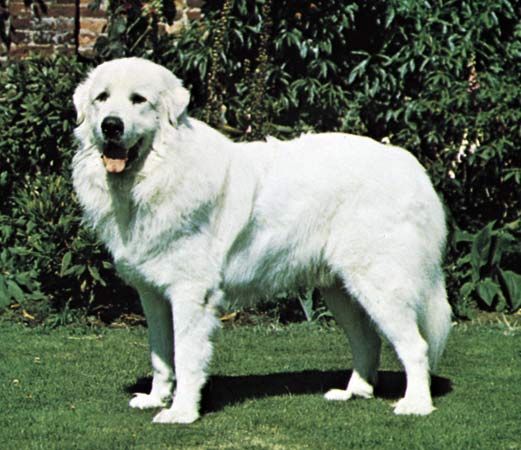
The Newfoundland dog breed originated on Newfoundland island in Canada. It was likely developed through crosses between native dogs and Great Pyrenees dogs, which were brought to North America by Basque fishermen during the 17th century.15
The breed was originally developed as a working dog to assist with various tasks essential to life on the island. Its primary purposes included:
- Water Rescue: The breed is famously noted for its ability to rescue people from the sea, aided by its large webbed feet, significant lung capacity, and heavy, oily coat that allows it to withstand cold water.1
- Draft Work: Newfoundlands served as draft animals, helping to transport heavy equipment and supplies on land.1
- General Utility: They were also utilized as watchdogs and companions for those working in the fishing industry.1
What are the physical characteristics and size of a typical Newfoundland dog?
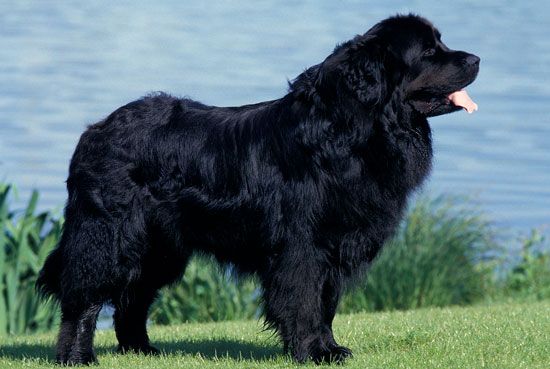
The Newfoundland is a massive, powerful working breed characterized by its substantial build and specialized physical adaptations.
Size and Dimensions
- Height: Typically stands between 26–28 inches (66–71 cm) at the withers.1
- Weight: Generally ranges from 100–150 pounds (45–68 kg).1
Physical Features
The breed possesses several distinct traits that facilitate its historical role as a water rescue dog:
- Musculature: It features powerful hindquarters that provide the strength necessary for swimming and pulling heavy loads.1
- Coat: The dog is covered in a heavy, oily coat that is water-resistant, allowing it to withstand cold or even frigid temperatures.1
- Anatomy: Key features include a large lung capacity and large, webbed feet, which make the Newfoundland an exceptionally capable swimmer.1
Appearance
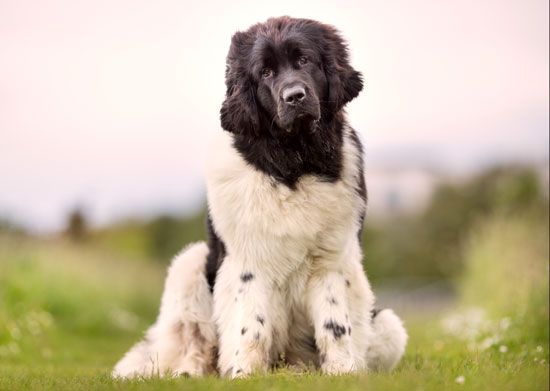
The typical coat color is solid black, brown, or gray. A notable variation is the Landseer Newfoundland, which is usually black and white and named after the artist Sir Edwin Landseer, who frequently depicted the breed in his work.1
Sources
- Newfoundland — Encyclopædia Britannica
- 15 Paintings to See at the Victoria and Albert Museum - Lion: A Newfoundland Dog (1824) — Encyclopædia Britannica
- Newfoundland and Labrador - British fishery to colony — Encyclopædia Britannica
- dog - Breed-specific behaviour — Encyclopædia Britannica
- Newfoundland — Merriam-Webster
Published on · 3 min read