Greenland Shark
The Greenland shark (Somniosus microcephalus) primarily inhabits the frigid, deep waters of the Arctic Ocean and the North Atlantic. While they are often…
What is the Greenland shark’s habitat, and how does it adapt to extreme cold?
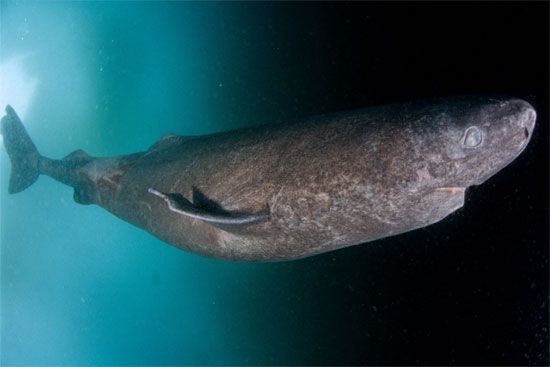
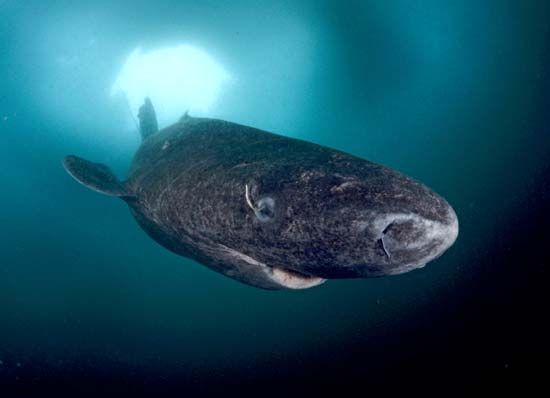
The Greenland shark (Somniosus microcephalus) primarily inhabits the frigid, deep waters of the Arctic Ocean and the North Atlantic. While they are often found in deep environments, they can occupy a range from the sea surface down to depths of 2,200 meters.12
To survive in these extreme cold-water environments, the species has adapted by developing an exceptionally slow metabolism and a glacial growth rate. This cold-water habitat fosters a reduced metabolic rate, which allows the shark to conserve energy and avoid the cellular damage associated with a faster-paced existence. These physiological adaptations are believed to be the primary drivers of the shark’s remarkable longevity, as it is the longest-lived vertebrate known to science, with some individuals potentially reaching over 500 years of age.132
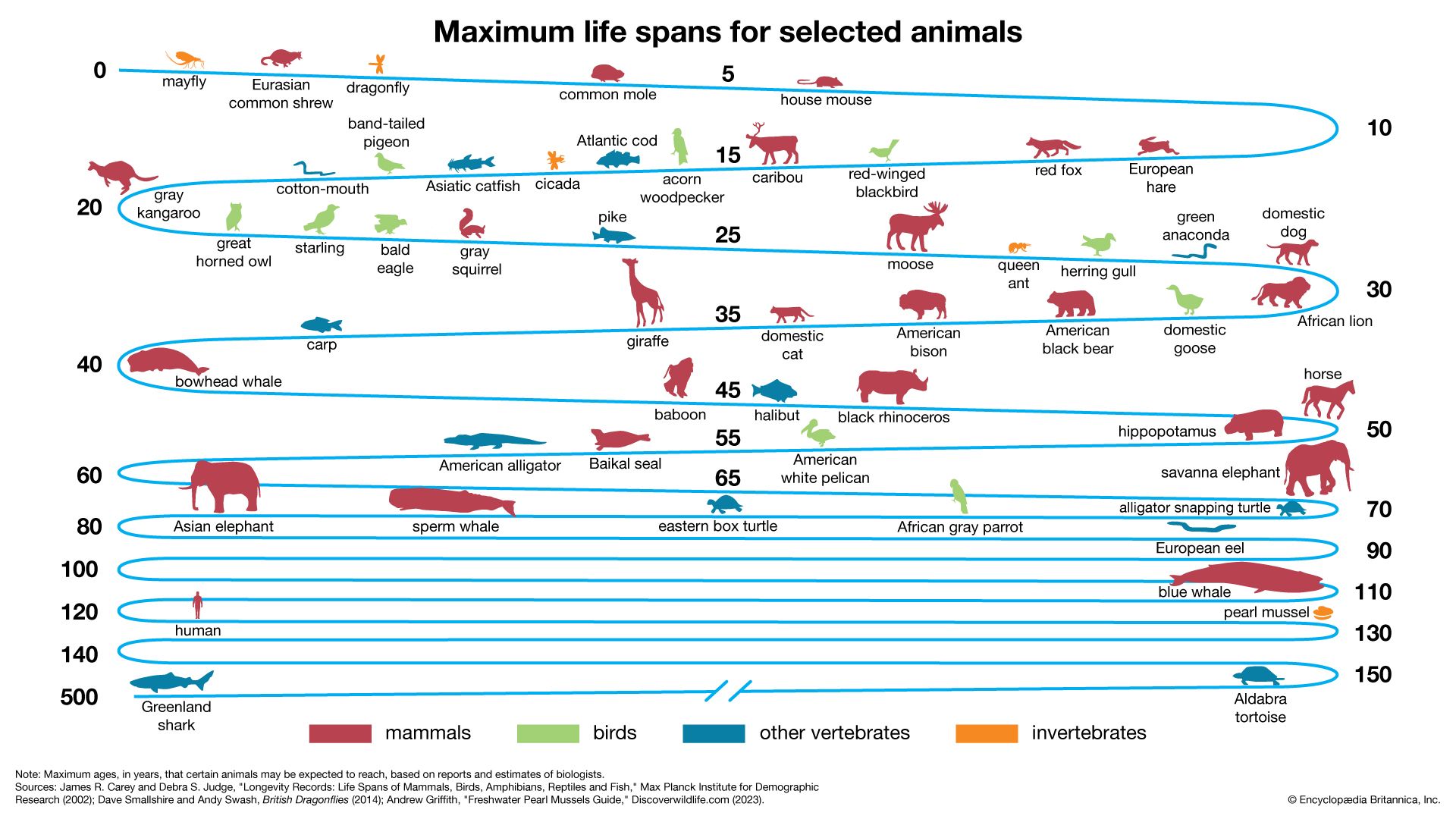
How long do Greenland sharks live, and why are they known for their longevity?
The Greenland shark is the longest-lived vertebrate known to science, with some individuals estimated to live for more than 500 years.13
Their remarkable longevity is primarily attributed to an exceptionally slow metabolism and a glacial growth rate, both of which are fostered by the frigid, deep-water environment of the Arctic Ocean and North Atlantic. This slow-paced existence allows the sharks to conserve energy and minimize the cellular damage typically associated with faster metabolic processes.13
Recent scientific advancements have provided further insight into these mechanisms. A 2024 study that sequenced the shark’s genome identified multiple copies of genes responsible for DNA repair and the regulation of inflammation, which are believed to play a critical role in their ability to resist the effects of aging.3
What is the diet of Greenland sharks, and how do they hunt?
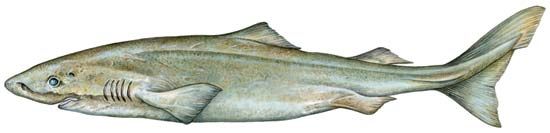
The Greenland shark is a carnivorous predator with a broad diet that reflects its opportunistic nature in the deep, cold waters of the Arctic Ocean and North Atlantic.ica.com/place/Arctic-Ocean) and North Atlantic.2
Diet
Their diet consists of a wide variety of marine life, including:
- Fishes: Various species such as smaller sharks, eels, flounders, sculpins, and other large fish.56
- Marine Mammals: They are known to consume seals and small whales.62
- Other Prey: Their stomach contents have revealed crustaceans, squid, and seabirds.), squid, and seabirds.2
- Scavenging: They frequently feed on carrion, including remains from whaling stations and even terrestrial mammals like horses and reindeer that have fallen through the ice.562
Hunting Behavior
Greenland sharks are notably slow-moving, typically swimming at speeds of less than 3 km (about 1.9 miles) per hour. While they are not the high-speed hunters seen in some other shark species, they utilize a well-integrated sensory system to locate food. Like most sharks, they rely on a highly developed sense of smell, a lateral line system to detect vibrations in the water, and electroreception to sense the weak electrical signals emitted by potential prey.52
How do Greenland sharks reproduce, and what challenges do they face in terms of population growth?
Little is known about the reproductive habits of the Greenland shark, as much of their life history remains a mystery to scientists.23
Reproduction
Greenland sharks are ovoviviparous, meaning that eggs are retained and hatch within the female’s body before the young are born alive. Females are estimated to reach sexual maturity only after they surpass 4 metres (13 feet) in length, a milestone that takes approximately 150 years to achieve. They typically produce an average of 10 offspring at a time, and while the specifics of parental care are unknown, it is believed that the young are independent from birth.23
Challenges to Population Growth
The species faces significant challenges in maintaining or increasing its population due to its slow life history:
- Delayed Maturity: Because individuals take about 150 years to reach sexual maturity, the species has a very slow reproductive rate.23
- Low Fecundity: Producing only about 10 offspring at a time limits the number of new individuals entering the population.2
- Historical and Accidental Harvest: Historically, these sharks were heavily fished for their liver oil. Today, while commercial fishing has declined, they remain vulnerable as roughly 1,200 individuals are caught accidentally in fishing trawls annually.2
Sources
- What animal has the longest life span? — Encyclopædia Britannica
- Greenland shark — Encyclopædia Britannica
- How old is the oldest living Greenland shark? — Encyclopædia Britannica
- Greenland Sea — Encyclopædia Britannica
- shark - Description and habits — Encyclopædia Britannica
- chondrichthyan - Sharks — Encyclopædia Britannica
Published on · 3 min read