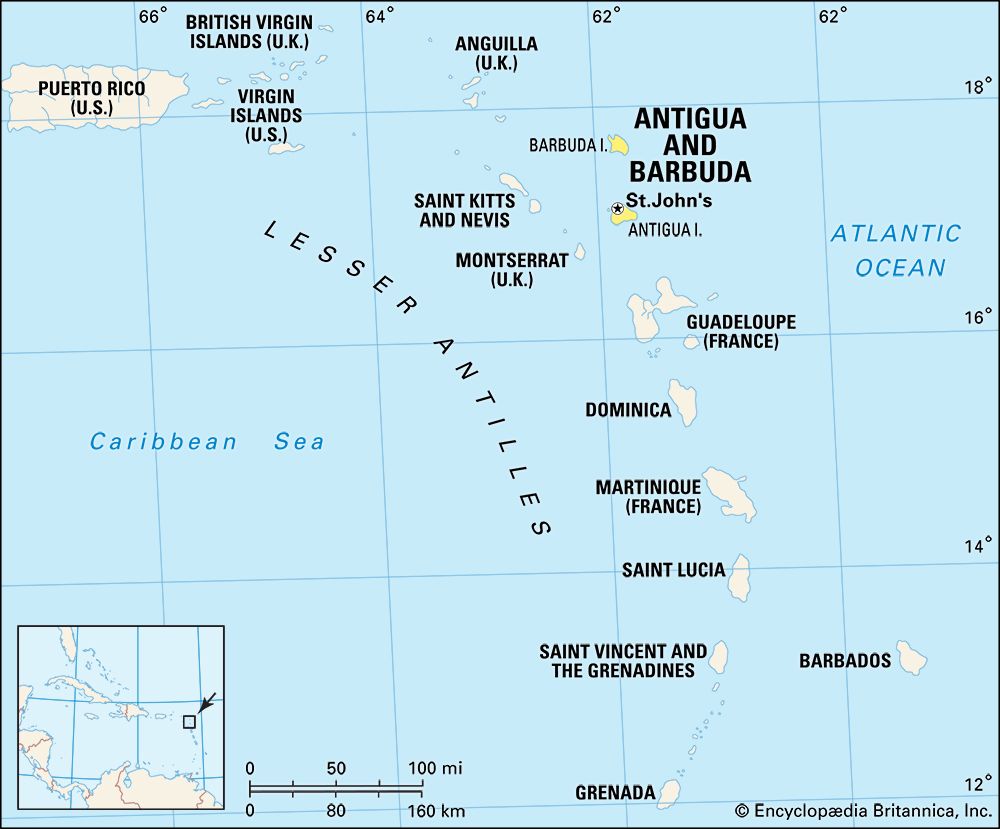
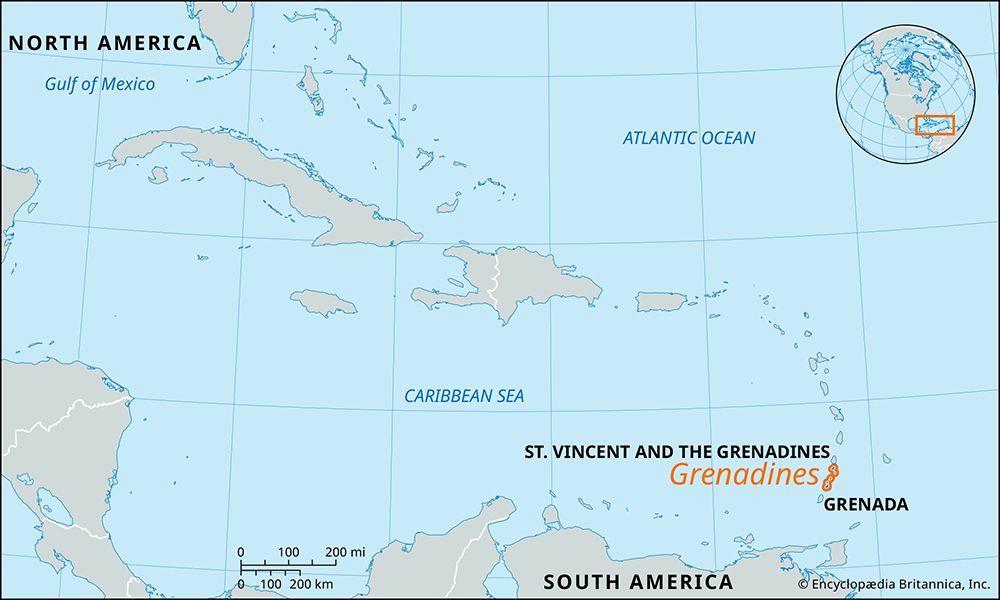
Grenadines
Tourism has become a vital component of the economy in the Grenadines, driven by increased accessibility through new airports and the use of modern vessels.…
How has the tourism industry impacted the environment and local communities in the Grenadines?
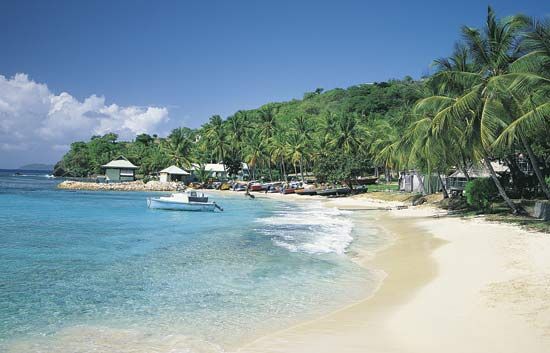
Tourism has become a vital component of the economy in the Grenadines, driven by increased accessibility through new airports and the use of modern vessels. The islands are renowned for their coral reefs and beaches, which serve as the primary draw for yachting and sport fishing enthusiasts.1
Since the 1970s, the development of resorts, hotels, and marinas on islands such as Bequia, Palm, and Union Island has transformed the landscape. While the provided information highlights the economic significance of these developments, it does not explicitly detail the specific environmental consequences or the direct social impacts on local communities resulting from this industry. It is noted, however, that ecotourism is being actively encouraged on the main island of Saint Vincent to promote more sustainable practices.21
The reliance on tourism, alongside traditional sectors like agriculture and fishing, remains a central pillar for the region’s economic stability.3
How do the local culture and economy of the Grenadines differ from other Caribbean islands?
The Grenadines possess a distinct character shaped by their geography and history, which sets them apart from many other West Indies islands.
Economic Distinctions
Unlike larger Caribbean islands that often rely on extensive agricultural exports, the Grenadines face precarious conditions for settlement and farming due to low, uncertain rainfall. While they were historically used as plantation sites, their modern economy is heavily defined by tourism, specifically catering to yachting and sport fishing enthusiasts. Notably, some islands like Mustique are privately owned, a unique arrangement compared to the public land management found elsewhere.34
Cultural Identity
The culture of the region is deeply influenced by its history of resistance and syncretism:
- Heritage: The population includes the Garifuna, descendants of intermarriage between indigenous Carib people and African arrivals.1
- Language: While English is official, the use of an English patois—often called “nation language”—reflects a postcolonial evolution that incorporates suppressed African linguistic codes.5
- Religious Expression: The Spiritual Baptist (or Shaker) church represents a unique syncretic faith that blends Protestant and African traditions, having survived historical suppression.5
- Festivals: Beyond standard Carnival, the Grenadines host specific annual regattas that integrate local maritime traditions with festive activities.2
What are some unique geological features of the Grenadine islands?
The Grenadine islands, a chain of approximately 600 islands and islets within the Lesser Antilles, are characterized by their distinct geological profile. Unlike some of the larger, more mountainous islands in the region, the Grenadines are generally lower in elevation, which contributes to their characteristically low and uncertain rainfall.3
Key geological features include:
- Ridge Formations: While many of the islands are small, some feature notable topographical rises. For example, Carriacou Island is crossed by a ridge of hills that reaches an elevation of 980 feet (300 metres) and runs from the northeast to the southwest.3
- Volcanic Origins: The broader region, including the nearby islands of Saint Vincent and Grenada, is volcanic in origin. While the Grenadines themselves are less dominated by the massive volcanic peaks found on the main island of Saint Vincent—such as the Soufrière volcano—they share the underlying geological history of the volcanic arc.893
- Natural Harbours: The islands often feature protected coastal indentations, such as Hillsborough Bay and Tyrell Bay on Carriacou, which have historically served as significant maritime hubs.3
What are some of the most popular activities for tourists visiting the Grenadines?
The Grenadines are a premier destination for travelers seeking a classic Caribbean experience centered on sun, sea, and sand. Because of their extensive coral reefs and pristine beaches, the islands have become a focal point for the region’s tourism sector.1
Popular activities for visitors include:
- Yachting and Sailing: The islands are particularly favored by those interested in yachting, with modern marinas and improved accessibility via local airports and boat services supporting this industry.13
- Sport Fishing: The surrounding waters are highly regarded for sport fishing, drawing enthusiasts to the area.1
- Regattas: Several islands host annual regattas, which often incorporate festive, carnival-type activities that celebrate local maritime culture.6
- Island Exploration: Visitors often explore the unique character of individual islands, such as Mustique, where private properties are available for rent, or enjoy the resorts and hotels developed on islands like Bequia, Canouan, and Petit Saint Vincent.13
Sources
- Saint Vincent and the Grenadines - Tourism — Encyclopædia Britannica
- Grenada - Economy — Encyclopædia Britannica
- Grenadines — Encyclopædia Britannica
- Saint Vincent and the Grenadines - Colonization — Encyclopædia Britannica
- Grenada - Agriculture, forestry, and fisheries — Encyclopædia Britannica
- Saint Vincent and the Grenadines - Cultural life — Encyclopædia Britannica
- Saint Vincent and the Grenadines - People — Encyclopædia Britannica
- Grenada - Relief — Encyclopædia Britannica
- Saint Vincent and the Grenadines - Relief, soils, and drainage — Encyclopædia Britannica
- Grenadines — Merriam-Webster
- Saint Vincent — Encyclopædia Britannica
- Grenada — Encyclopædia Britannica
Published on · 3 min read