Lombok
Lombok is an island located in the Nusa Tenggara Barat province of Indonesia. It is part of the Lesser Sunda Islands, situated east of Bali across the Lombok…
What is the geographical location of Lombok and how does it compare to other Indonesian islands?
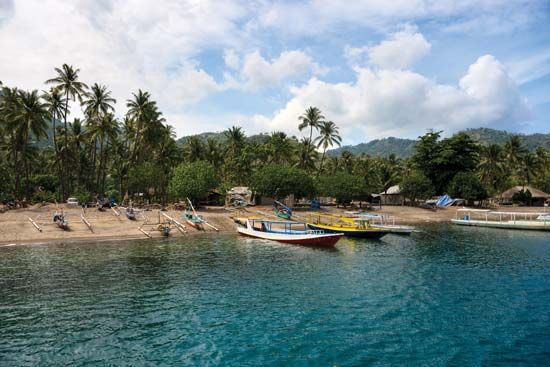
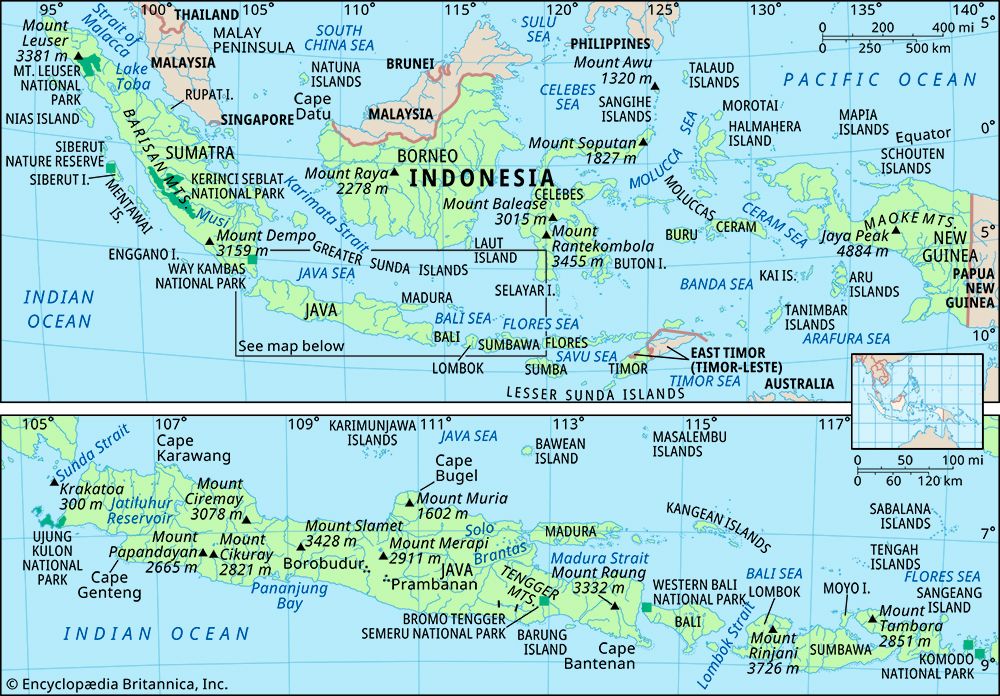
Lombok is an island located in the Nusa Tenggara Barat province of Indonesia. It is part of the Lesser Sunda Islands, situated east of Bali across the Lombok Strait and west of Sumbawa across the Alas Strait.12
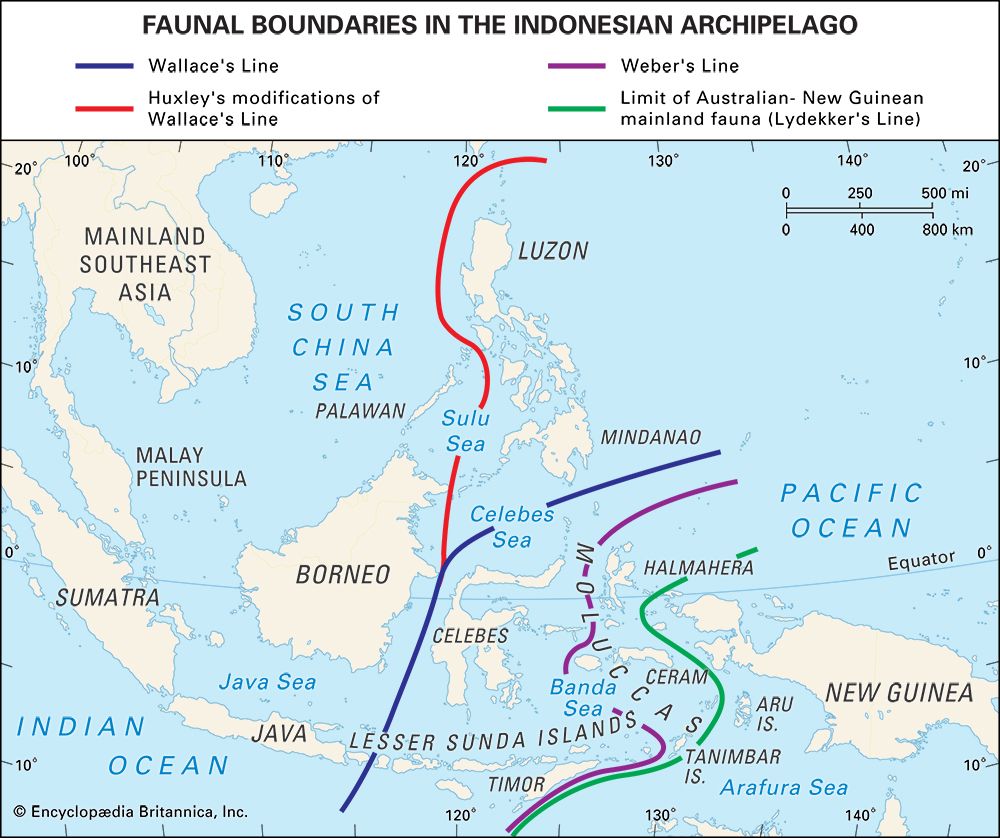
Compared to other Indonesian islands, Lombok is notable for its position on the Wallace Line, a significant biogeographical boundary. The Lombok Strait marks a transition where Asian flora and fauna begin to be supplanted by Australian forms.134
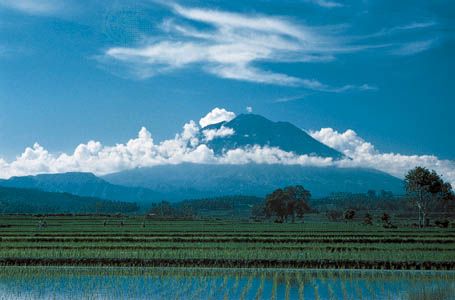
Physiographically, Lombok shares similarities with eastern Java, featuring rugged mountain chains, including the volcanic Mount Rinjani. However, compared to Java, the islands of the Lesser Sundas are generally smaller, less densely populated, and less developed. While Java is highly fertile due to volcanic activity, parts of southern Lombok are characterized by waterless, barren karst terrain.256
What are the main cultural and ethnic groups found on Lombok?
The population of Lombok is primarily composed of the Sasak people, who are of Malay origin and constitute the majority of the island’s inhabitants. While the Sasak are the dominant ethnic group, the island is also home to several other communities, including:81
- Balinese: Primarily found in the western part of the island, reflecting the historical influence of Bali during the period of Balinese political control.1
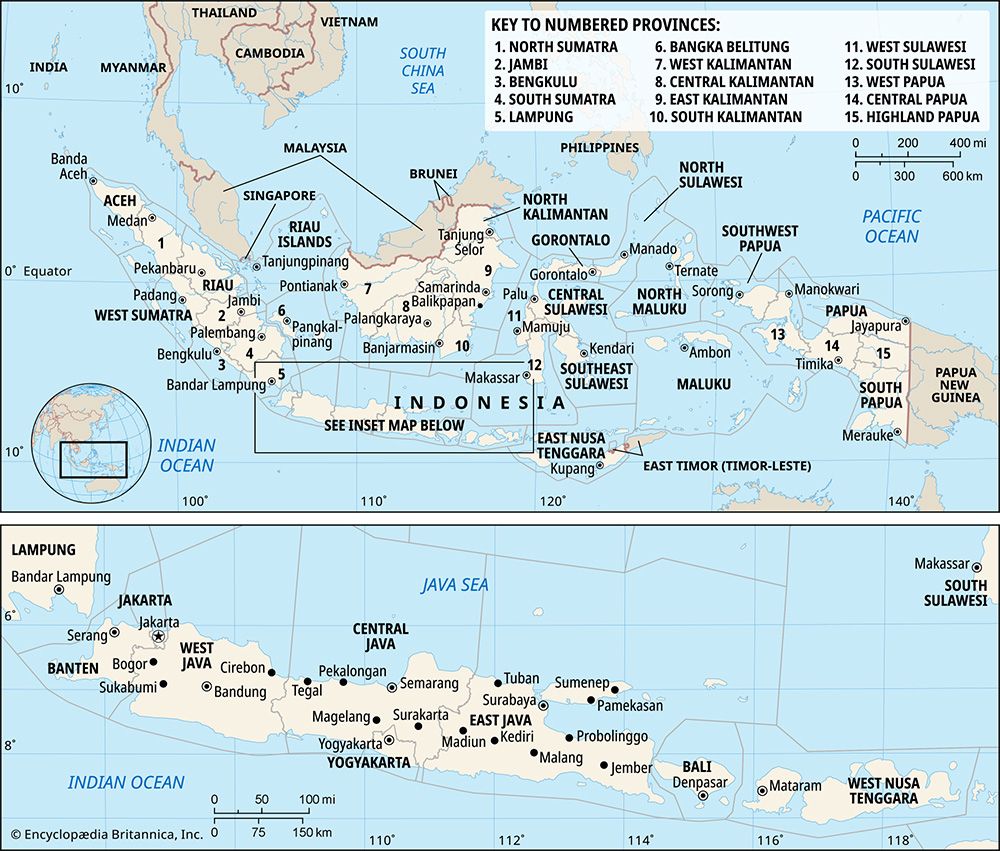
- Chinese: Residing mainly in urban areas, particularly around the provincial capital, Mataram.1
- Sumbawanese: Found in the eastern regions of the island.1
Culturally, the Sasak are predominantly Muslim, though their religious practice often incorporates strong local traditions and animist elements. They observe two primary forms of Islam: Wetu Lima, which follows standard five-times-daily prayer, and Wetu Telu, a local tradition that incorporates Islamic modifications. Despite the prevalence of Islam, Hinduism also maintains a significant number of adherents on the island.819
What is the main language spoken on Lombok, and how does it differ from Indonesian?
The primary language spoken on Lombok is Sasak, which is the native tongue of the Sasak people, the island’s largest ethnic group.810
Both Sasak and Indonesian are Austronesian languages, meaning they share a common linguistic ancestry. However, they differ significantly in their usage and scope. Indonesian serves as the national language and the primary medium for education, government, and formal communication across the archipelago. In contrast, Sasak is a regional language used primarily for daily interaction and community life within Lombok.810
While the provided search results confirm that Sasak is an Austronesian language, they do not offer a detailed comparative analysis of the specific grammatical or lexical differences between Sasak and the national Indonesian language.
What makes Mount Rinjani a significant geological feature of Lombok?
Mount Rinjani is the most prominent geological feature of Lombok, serving as the highest peak in the island’s northern mountain chain. It reaches an impressive elevation of 12,224 feet (3,726 metres), dominating the island’s topography.11
While the provided search results highlight the volcano’s significant height and its role as a primary component of the island’s relief, they do not offer specific details regarding its volcanic activity history or unique geological composition compared to other Indonesian volcanoes.111
Sources
- Lombok — Encyclopædia Britannica
- Wallace Line — Encyclopædia Britannica
- West Nusa Tenggara — Encyclopædia Britannica
- Wallace's line — Merriam-Webster
- Lombok — Merriam-Webster
- Indonesia - Islands of the Sunda Shelf — Encyclopædia Britannica
- Java - Land — Encyclopædia Britannica
- Sasak — Encyclopædia Britannica
- Indonesia - Religions of Indonesia — Encyclopædia Britannica
- Sasak — Merriam-Webster
- Indonesia - Volcanoes — Encyclopædia Britannica
Published on · 3 min read