Groote Eylandt
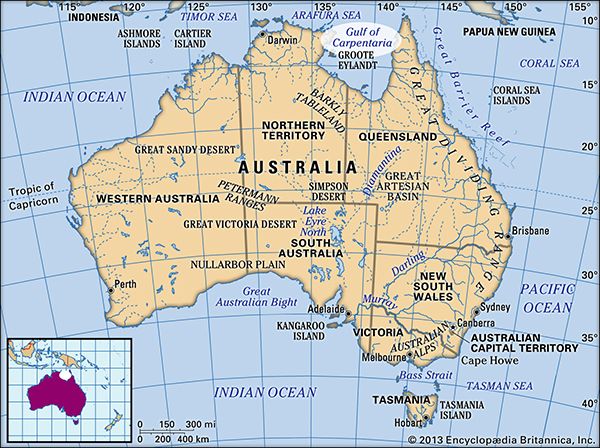
Groote Eylandt, located off the coast of Northern Territory, Australia, is home to significant cultural heritage sites rather than traditional archaeological…
Are there any significant archaeological sites on Groote Eylandt?
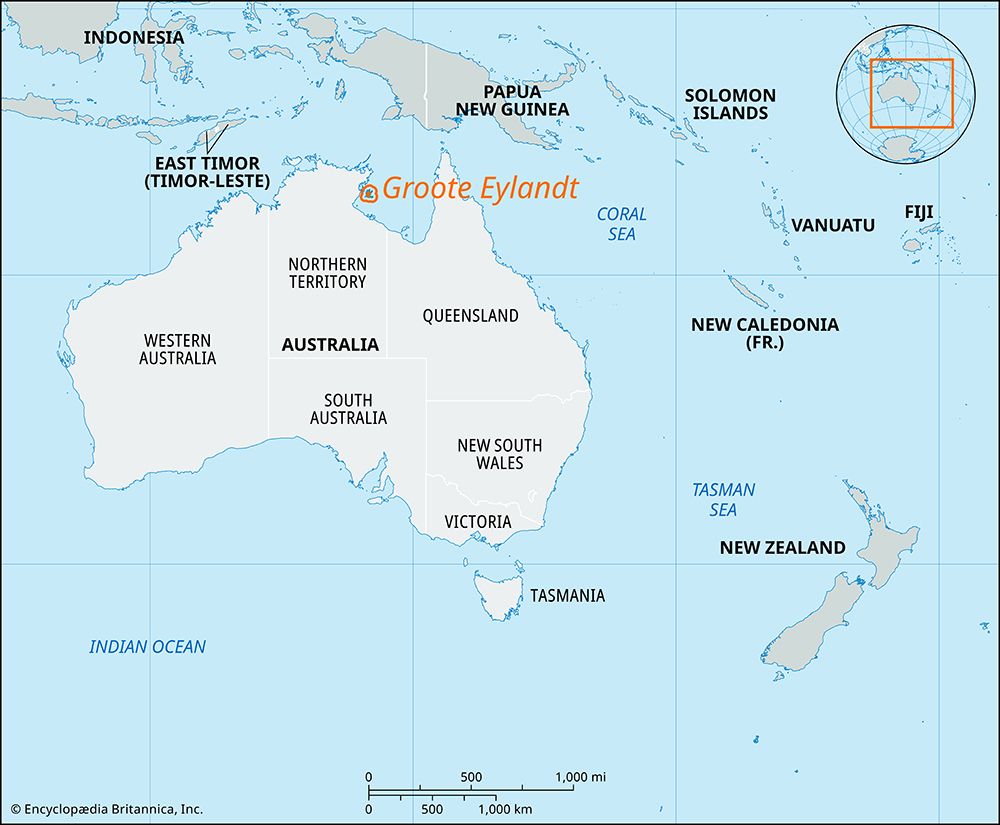
Groote Eylandt, located off the coast of Northern Territory, Australia, is home to significant cultural heritage sites rather than traditional archaeological ruins.
The most notable site is Chasm Island, which is part of the island’s archipelago. This location is renowned for its caves that contain extensive Aboriginal rock art. These sites provide a window into the history of the Anindilyakwa people, who have inhabited the region for approximately 8,000 years. While the island has a history of contact with Makassar fishers and European explorers like Abel Janszoon Tasman and Matthew Flinders, the primary archaeological interest remains the long-standing indigenous cultural record found in the island’s rock shelters.1
What are the main industries and economic activities on Groote Eylandt?
The economy of Groote Eylandt is primarily driven by large-scale mining operations. The island is home to one of the world’s largest producers of manganese, a resource that has been exploited on the island since 1966.12
Beyond mining, the island’s economic and logistical infrastructure supports local connectivity and traditional land management. The island features an airport that provides essential transport links, with regularly scheduled flights connecting the local population to the Gove Peninsula, Darwin, and Cairns. Additionally, the Anindilyakwa people manage the archipelago as the Anindilyakwa Indigenous Protected Area, which emphasizes the stewardship of their traditional lands. Historically, the surrounding waters were also significant for the collection of bêche-de-mer (trepang) by fishers from Makassar (trepang) by fishers from Makassar.1
How has mining, particularly manganese mining, impacted Groote Eylandt’s environment and community?
Since 1966, large-scale manganese mining has been the primary economic driver on Groote Eylandt. While this industry provides essential infrastructure and economic activity for the region, the provided information does not detail the specific environmental impacts or the social consequences for the local Anindilyakwa community.
The island, which is a rocky outlier of the Arnhem Land plateau, has been under the stewardship of the Anindilyakwa people since they were granted land rights in 1976. In 2006, they declared the archipelago the Anindilyakwa Indigenous Protected Area, reflecting a commitment to land management and the preservation of their cultural heritage, such as the rock art found on Chasm Island.
Because the available records focus on the history and geography of the island rather than the specific ecological or sociological outcomes of the mining operations, I cannot provide further details on those impacts.
Who are the indigenous people of Groote Eylandt, and what is their culture like?
The indigenous people of Groote Eylandt are the Anindilyakwa people, who have inhabited the island for approximately 8,000 years. In 1976, they were granted formal land rights to the island, and in 2006, they declared the archipelago the Anindilyakwa Indigenous Protected Area, underscoring their ongoing role as stewards of their traditional lands.1
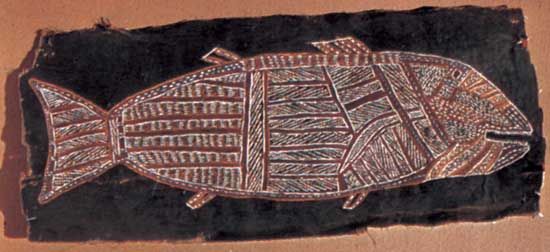
The culture of the region is deeply connected to artistic expression. Groote Eylandt is part of a northern Australian cultural zone noted for its vibrant painting traditions. This artistic heritage includes:3
- Rock Art: The island features caves on Chasm Island that contain significant examples of Aboriginal art.1
- Ceremonial Art: Similar to neighboring regions in Arnhem Land, artistic works often incorporate geometric designs and figurative images that reference ancestral myths and narratives.3
- Historical Influences: For centuries, the Anindilyakwa people interacted with fishers from Makassar who visited the Gulf of Carpentaria to collect bêche-de-mer, a contact that historically influenced regional artistic and cultural practices.13
Sources
- Groote Eylandt — Encyclopædia Britannica
- Northern Territory - Resources and power — Encyclopædia Britannica
- Oceanic art and architecture - The north — Encyclopædia Britannica
Published on · 3 min read