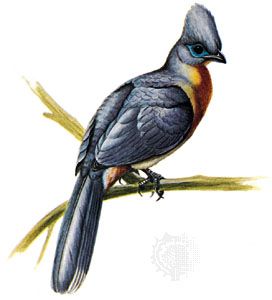
Guira
The term "Guira" is often used in reference to the güiro, a percussion instrument of Latin American origin. It is traditionally crafted from a serrated gourd…
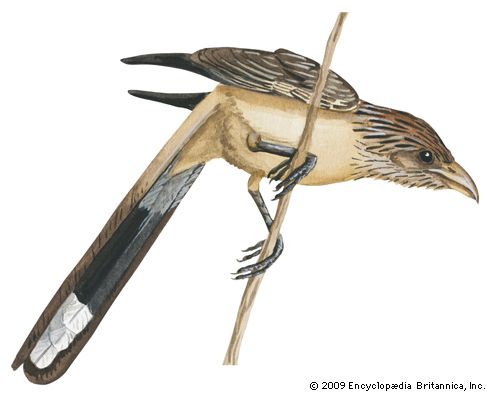
What is Guira?
The term “Guira” is often used in reference to the güiro, a percussion instrument of Latin American origin. It is traditionally crafted from a serrated gourd and is played by scraping a stick or plectrum along its ridged surface to produce a rhythmic, rasping sound.1
What musical genres commonly use the guiro?
The güiro is a percussion instrument of African origin that has been adapted for regional use throughout Latin America and the Caribbean. It is a type of scraper that contributes to the rhythmic foundation of numerous musical ensembles.2
While the provided search results do not list every specific genre that utilizes the instrument, they note that scrapers like the Cuban güiro are integrated into a wide array of urban popular dance music and traditional ensembles across the region. These ensembles often combine instruments from indigenous, African, and European traditions to create the distinct sounds found in Latin American and Caribbean music.2
How is a guiro constructed from a gourd?
A güiro is constructed from the hard-shelled fruit of a member of the Cucurbitaceae family, commonly known as a gourd.
To create the instrument, the gourd is typically harvested and dried until it develops a tough, durable rind. Once dried, the surface of the gourd is carved with a series of parallel notches or ridges to create a serrated texture. This serrated surface is essential for the instrument’s function, as it produces a distinct, rasping sound when a stick or plectrum is scraped across it.13
What are some other Latin American percussion instruments?
Latin American music features a diverse array of percussion instruments, many of which stem from indigenous, African, and European traditions. These instruments are essential to the rhythmic foundation of various folk, religious, and popular dance genres.2
African-Derived Percussion
Instruments of African origin constitute the largest group of percussion used in the region. Key examples include:2
- Drums: These include the conga (and the larger tumbadora), bongo drums, and the sacred batá drums used in Afro-Cuban religious music. Friction drums, such as the Brazilian cuíca and Venezuelan furruco, are also common.24
- Scrapers: Beyond the güiro, regional variations include the Colombian carrasca and the Brazilian reco-reco.2
- Idiophones: Claves—hardwood sticks struck together—are standard in many rhythm bands. The marímbula is a large, deep-sounding “thumb piano” found in the Caribbean.25
- Other: The marimba, a type of xylophone, is widely used in Mexico, Central America, and Colombia.25
Indigenous and European Contributions
Sources
- guiro — Merriam-Webster
- Latin American music - Characteristic instruments — Encyclopædia Britannica
- gourd — Encyclopædia Britannica
- claves — Encyclopædia Britannica
- percussion instrument - The Americas — Encyclopædia Britannica
- percussion instrument - The Americas — Encyclopædia Britannica
Published on · 2 min read