Gulf of Fonseca
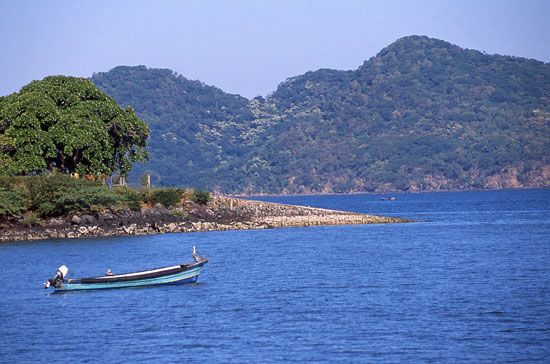
The Gulf of Fonseca is a sheltered inlet of the Pacific Ocean located in Central America. It is bounded by El Salvador to the northwest, Honduras to the…
What is the geographical location and size of the Gulf of Fonseca?
The Gulf of Fonseca is a sheltered inlet of the Pacific Ocean located in Central America. It is bounded by El Salvador to the northwest, Honduras to the northeast, and Nicaragua to the southeast.12
Regarding its size and dimensions:
- Area: The gulf covers approximately 700 square miles (1,800 square km).1
- Inland Reach: It extends inland for about 40 miles (65 km).1
- Width: The entrance of the gulf is roughly 20 miles (32 km) wide, eventually widening to approximately 50 miles (80 km).1
The region is characterized by mangrove swamps along its shores and features several islands, including Zacate Grande, El Tigre, and Meanguera.1
Which countries share the coastline of the Gulf of Fonseca?
The coastline of the Gulf of Fonseca is shared by three Central American nations:
- El Salvador: Borders the gulf to the northwest.
- Honduras: Borders the gulf to the northeast.
- Nicaragua: Borders the gulf to the southeast.12
What are the major ports and cities located along the Gulf of Fonseca?
The Gulf of Fonseca features several key ports and cities that facilitate trade and transportation across its three bordering nations:
- El Salvador: The primary port is La Unión, located on the western shore of the gulf.1
- Honduras: The region is served by two notable locations:
- Amapala: Situated on Isla del Tigre, this historic port served as a major maritime hub for the country.12
- San Lorenzo: Located on the northern shore, this city became a major port following the completion of deep-channel dredging in 1978. It is a vital industrial center supported by the Inter-Ocean Highway.2
- Nicaragua: The main port is Puerto Morazán, which is situated upstream on the Estero Real River.1
These ports play a significant role in the regional economy, supporting industries ranging from manufacturing and processing to fishing and salt production.2
What are some of the main industries and economic activities in the Gulf of Fonseca area?
The economic activities in the Gulf of Fonseca region are closely tied to its geography and coastal resources. While specific industrial data for the gulf itself is limited, the area supports several key sectors:
- Maritime Trade and Logistics: The gulf serves as a critical hub for regional commerce. Major ports such as La Unión (El Salvador), Amapala (Honduras), and Puerto Morazán (Nicaragua) facilitate the movement of goods, connecting the inland areas of these nations to international shipping routes.
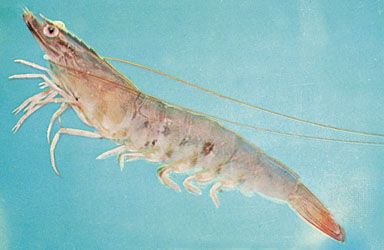
- Fishing and Aquaculture: The gulf’s extensive mangrove swamps and coastal waters provide essential habitats for marine life, supporting local fishing industries. Similar to other Pacific coastal regions in Central America, these waters are often utilized for harvesting species such as shrimp and various types of fish.
- Processing and Manufacturing: Industrial activity in the surrounding nations often focuses on the processing of agricultural and marine products. In the broader region, manufacturing sectors—including food and beverage processing—are vital for export earnings and local employment.
Sources
- Gulf of Fonseca — Encyclopædia Britannica
- Fonseca, Gulf of — Merriam-Webster
- San Lorenzo — Encyclopædia Britannica
- Honduras - Industry — Encyclopædia Britannica
- The Gambia - Agriculture, forestry, and fishing — Encyclopædia Britannica
- Sao Tome and Principe - Agriculture, forestry, and fishing — Encyclopædia Britannica
- Costa Rica - Agriculture, forestry, and fishing — Encyclopædia Britannica
Published on · 2 min read