Habitat
A keystone species is an organism that exerts a disproportionately large influence on its community relative to its abundance. These species are essential…
How do keystone species impact their habitats and other organisms within them?
A keystone species is an organism that exerts a disproportionately large influence on its community relative to its abundance. These species are essential for maintaining biodiversity and the structural integrity of their habitats.12
They typically impact their environments in two primary ways:
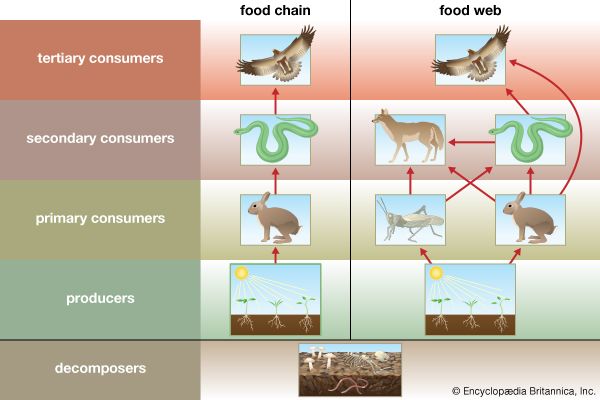
- Population Control: Many keystone species are apex predators that regulate the populations of other species. By preventing dominant species from monopolizing resources, they allow a wider variety of organisms to coexist. For example, the starfish Pisaster ochraceus prevents mussels from overrunning rocky intertidal shores.12
- Resource Provisioning: Some species act as critical food sources during periods of scarcity. In tropical forests, figs provide fruit year-round, supporting numerous birds and mammals when other food is unavailable.12
The removal of these species can trigger a trophic cascade, leading to dramatic shifts in ecosystem structure, nutrient cycling, and species composition. Protecting these species is vital for maintaining healthy, functional ecosystems that provide essential services to the planet.3
What is a habitat in ecological terms, and why is it important?
In ecological terms, a habitat is the specific place where an organism or a community of organisms lives. It encompasses all the living and nonliving factors—such as climate, soil type, and the presence of other species—that define the surrounding environment. A habitat can range from a large terrestrial area, like a forest, to a small microhabitat or even a host organism inhabited by parasites.45
Habitats are fundamentally important because they provide the essential resources—such as food, shelter, and conditions for reproduction—necessary for the survival of plants, animals, and other forms of life. Because species are often adapted to specific physical, chemical, and biological conditions, their survival depends on the stability of these environments.67
When habitats are destroyed, fragmented, or degraded, the resulting habitat loss becomes the leading cause of global biodiversity decline5. If an ecosystem is altered beyond a critical point, it can no longer support its native species, forcing them to migrate or face extinction.6
How do human activities impact natural habitats and ecosystems?
Human activities significantly alter natural habitats and ecosystems, primarily driving a global decline in biodiversity through five major mechanisms:5
- Habitat Loss and Degradation: This is the leading cause of biodiversity decline. It involves the destruction, fragmentation, or degradation of natural areas for agriculture, urban development, and resource extraction. Such activities remove essential food and shelter, forcing species to migrate or face extinction.95
- Invasive Species: Human-mediated introduction of non-native species can disrupt ecosystems by outcompeting native organisms for resources, often leading to population declines or the elimination of native species.95
- Overexploitation: Harvesting plants and animals faster than they can reproduce—such as through overfishing or poaching—destabilizes food chains and can lead to commercial or biological extinction.10
- Pollution: The introduction of industrial toxins, pesticides, and fertilizers into the environment stresses ecosystems. For example, nutrient runoff causes eutrophication, which depletes oxygen in water bodies and harms aquatic life.911
- Climate Change: The burning of fossil fuels releases greenhouse gases, altering temperature and precipitation patterns. This forces species to adapt to rapid changes, often exceeding their natural capacity and increasing extinction risks.512
These drivers often interact, creating cumulative stresses that reduce ecosystem resilience. We have a moral responsibility to mitigate these impacts to preserve the functional integrity of the natural world for future generations.512
What are some examples of unique or extreme habitats on Earth?
Earth hosts a variety of unique and extreme habitats where specialized organisms, known as extremophiles, have evolved to thrive. These environments challenge the limits of life through intense physical and chemical conditions.1314
Examples of Extreme Habitats
- Deep-Sea Hydrothermal Vents: Located in areas of tectonic activity, these vents release mineral-rich, superheated water. Because they exist in the aphotic zone, they rely on chemoautotrophic bacteria that oxidize sulfur to produce energy, supporting unique communities of mussels, clams, and the Pompeii worm.1514
- Polar Regions: Characterized by extreme cold, low precipitation, and permafrost, these areas include tundra and polar barrens. Organisms here, such as the emperor penguin and wood frog, have developed specialized behavioral or physiological adaptations to survive freezing temperatures.141617
- Hypersaline Lagoons and Playas: In hot, arid regions, high evaporation rates can create environments with salinity levels far exceeding that of the open ocean. These hypersaline habitats, such as Laguna Madre, force plants and animals to adapt to high salt concentrations, often resulting in the formation of distinct mineral zones.1819
- High-Altitude Environments: At high elevations, the primary challenge is the reduced partial pressure of oxygen. Indigenous species like the llama and yak have evolved genetic adaptations, such as high hemoglobin-oxygen affinity, to survive in these thin-air environments.20
Sources
- keystone species — Encyclopædia Britannica
- trophic cascade — Encyclopædia Britannica
- community ecology - Keystone species — Encyclopædia Britannica
- habitat — Encyclopædia Britannica
- habitat loss — Encyclopædia Britannica
- Forest — Encyclopædia Britannica
- homopteran - Habitats — Encyclopædia Britannica
- niche — Encyclopædia Britannica
- biodiversity loss - Human-driven biodiversity loss — Encyclopædia Britannica
- plant - Changes in biosystems: pollution — Encyclopædia Britannica
- overharvesting — Encyclopædia Britannica
- Global warming - Environmental consequences of global warming — Encyclopædia Britannica
- Extremophile — Encyclopædia Britannica
- human respiratory system - High altitudes — Encyclopædia Britannica
- Marine ecosystem - Organisms of the deep-sea vents — Encyclopædia Britannica
- 8 Animals That Live in Extreme Environments — Encyclopædia Britannica
- lagoon - Water temperature and salinity — Encyclopædia Britannica
- Polar ecosystem - Polar environments — Encyclopædia Britannica
- Polar ecosystem — Encyclopædia Britannica
- playa - Saline minerals — Encyclopædia Britannica
Published on · 4 min read