Gulf Coast
The oil and gas industry has been a cornerstone of the Gulf Coast's economy for decades, providing a significant portion of the United States' domestic…
How has the oil and gas industry influenced the Gulf Coast’s economy and environment?
The oil and gas industry has been a cornerstone of the Gulf Coast’s economy for decades, providing a significant portion of the United States’ domestic energy needs. Since the mid-20th century, extensive offshore drilling and production, particularly off the coasts of Louisiana and Texas, have driven substantial economic growth and supported major industrial hubs in cities like Houston and New Orleans.12
However, this industry has also imposed severe environmental costs. Offshore operations have led to oil spills that have fouled beaches and devastated marine life. The 2010 Deepwater Horizon oil spill serves as a stark example, causing widespread mortality among birds, dolphins, and sea turtles, and leaving long-term contamination in the food web. The disaster also caused significant economic disruption, forcing the closure of federal waters to fishing and harming the regional tourism industry. While the industry has improved well-containment capabilities since the spill, the region continues to grapple with the ecological consequences of industrial activity.345
How has the fishing industry in the Gulf Coast changed over time, especially after events like the Deepwater Horizon oil spill?
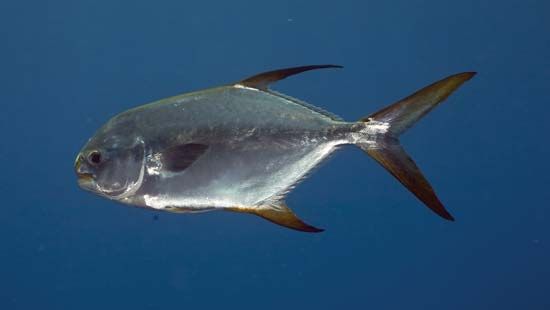
The fishing industry in the Gulf Coast, a vital component of the regional economy, has faced significant volatility due to industrial accidents and environmental challenges. Both commercial fishing and sport fishing are widespread across the region, targeting species such as red snapper, flounder, and tarpon.32
The 2010 Deepwater Horizon oil spill caused immediate and severe disruption to these activities. At the peak of the disaster, more than a third of federal waters in the Gulf were closed to fishing due to fears of contamination. While areas began reopening by late 2010, the long-term ecological impacts have been profound. Research indicates that polycyclic aromatic hydrocarbons from the oil caused heart defects in the larvae of commercially important fish like tuna larvae of commercially important fish like tuna. Furthermore, studies conducted years later have found evidence of continued contamination in fish populations and a significant decline in animal abundance in deep-water habitats.72
The industry remains ethically obligated to prioritize the health of the marine ecosystem, as the long-term sustainability of Gulf fisheries depends on the recovery of these habitats from industrial pollution.71
What states make up the Gulf Coast region of the United States?
The Gulf Coast region of the United States consists of five states that border the Gulf of Mexico. These states are:
- Florida
- Alabama
- Mississippi
- Louisiana
- Texas
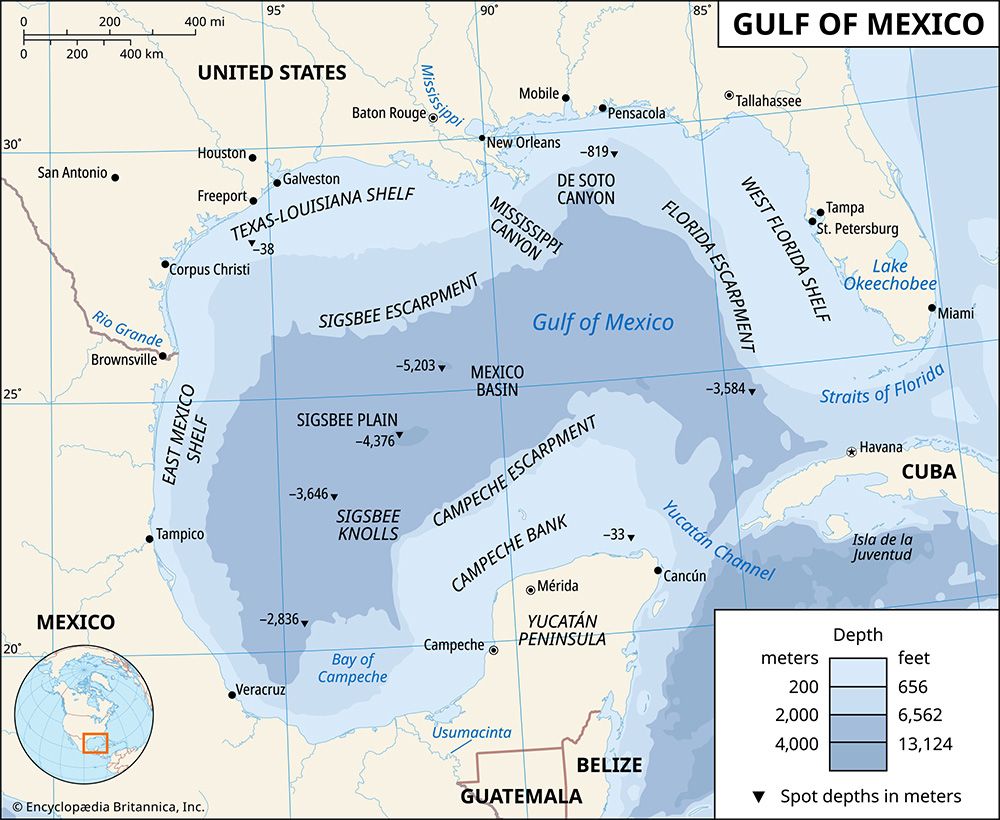
The region stretches in a large, flattened U shape for more than 1,200 miles, extending approximately 100 miles inland from the coastline.18
What are the major geographical features of the Gulf Coast?
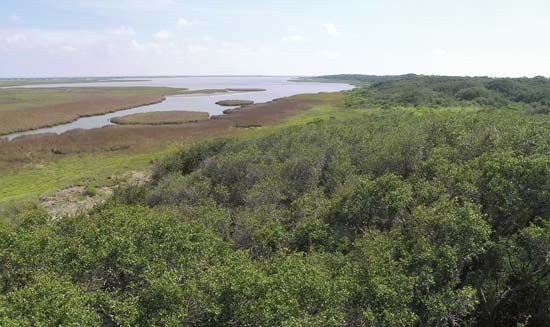
The Gulf Coast is a low-lying geographic region stretching over 1,200 miles along the northern Gulf of Mexico. Its landscape is defined by several distinct features:
- Topography and Elevation: The region is characterized by its flatness, with land elevations nowhere exceeding 500 feet. It extends approximately 100 miles inland from the coast.1
- Wetlands and Marshes: The coast features extensive marsh ecosystems, particularly in the Mississippi River delta, which is one of the most significant river-dominated deltas in the world. Other notable wetlands include the Florida Everglades, a unique marsh-swamp combination situated on a limestone base.910
- Barrier Islands: A chain of barrier islands, such as those protected within the Gulf Islands National Seashore, lines the coast. These islands are composed of white quartz sand and are continuously reshaped by waves and weather.11
- Estuaries and Bays: The region contains large inlets and estuaries, such as Galveston Bay and Atchafalaya Bay, which serve as critical interfaces between river systems and the gulf.1213
- Vegetation: Natural vegetation varies by location, ranging from mangrove swamp forests in southern Florida to salt marshes and maritime forests of live oaks and pines along the coastal sections of other states.111
Sources
- Gulf Coast — Encyclopædia Britannica
- Deepwater Horizon oil spill - Environmental costs — Encyclopædia Britannica
- Deepwater Horizon oil spill - Aftermath and impact — Encyclopædia Britannica
- Gulf Oil Corporation — Encyclopædia Britannica
- Gulf of Mexico / Gulf of America - Study and the impact of human activity — Encyclopædia Britannica
- Gulf of Mexico / Gulf of America - Mineral resources — Encyclopædia Britannica
- Gulf of Mexico / Gulf of America - Recreation — Encyclopædia Britannica
- Gulf States — Merriam-Webster
- Gulf Islands National Seashore — Encyclopædia Britannica
- Galveston Bay — Encyclopædia Britannica
- Marsh — Encyclopædia Britannica
- Wetland - Freshwater marshes — Encyclopædia Britannica
- Gulf of Mexico / Gulf of America - Hydrology — Encyclopædia Britannica
- coastal landforms - Deltas — Encyclopædia Britannica
- Atchafalaya Bay — Encyclopædia Britannica
Published on · 3 min read