Ha Long Bay
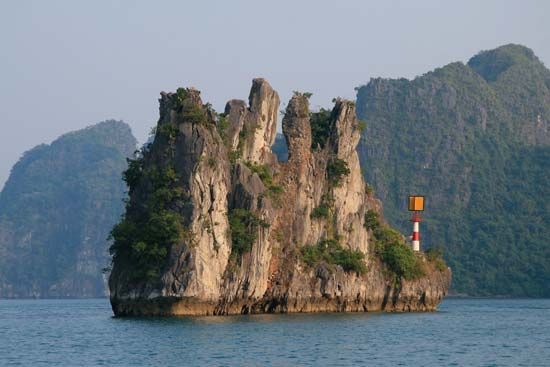
Ha Long Bay’s iconic landscape is defined by thousands of jagged limestone pillars and islands rising from the sea. While local folklore attributes these…
What is the geological history behind the formation of Ha Long Bay’s unique landscape?
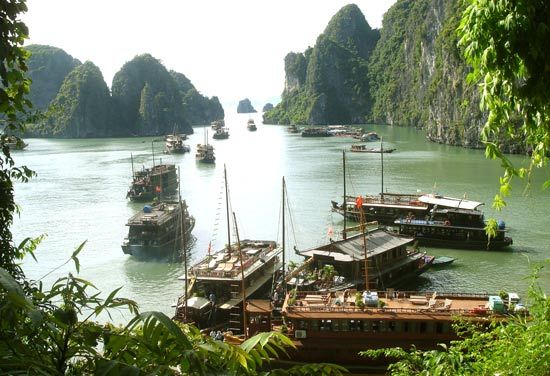
Ha Long Bay’s iconic landscape is defined by thousands of jagged limestone pillars and islands rising from the sea. While local folklore attributes these formations to the movements of a mythical dragon, the geological reality is a product of karst topography, a process involving the dissolution of soluble carbonate rocks.123
Over vast periods, water—often acting through joints and fractures—erodes limestone to create complex cave systems and valleys. In a process known as fluviokarst, surface streams may sink into these underground networks, further hollowing out the rock and leaving behind dramatic cliffs and isolated peaks. As these valleys deepen and the surrounding landscape erodes, the remaining resistant limestone pillars stand as remnants of the original terrain. Eventually, changes in sea level led to the flooding of these valleys, resulting in the picturesque, island-studded seascape seen today.31
Where is Ha Long Bay located, and what are its main geographical features?
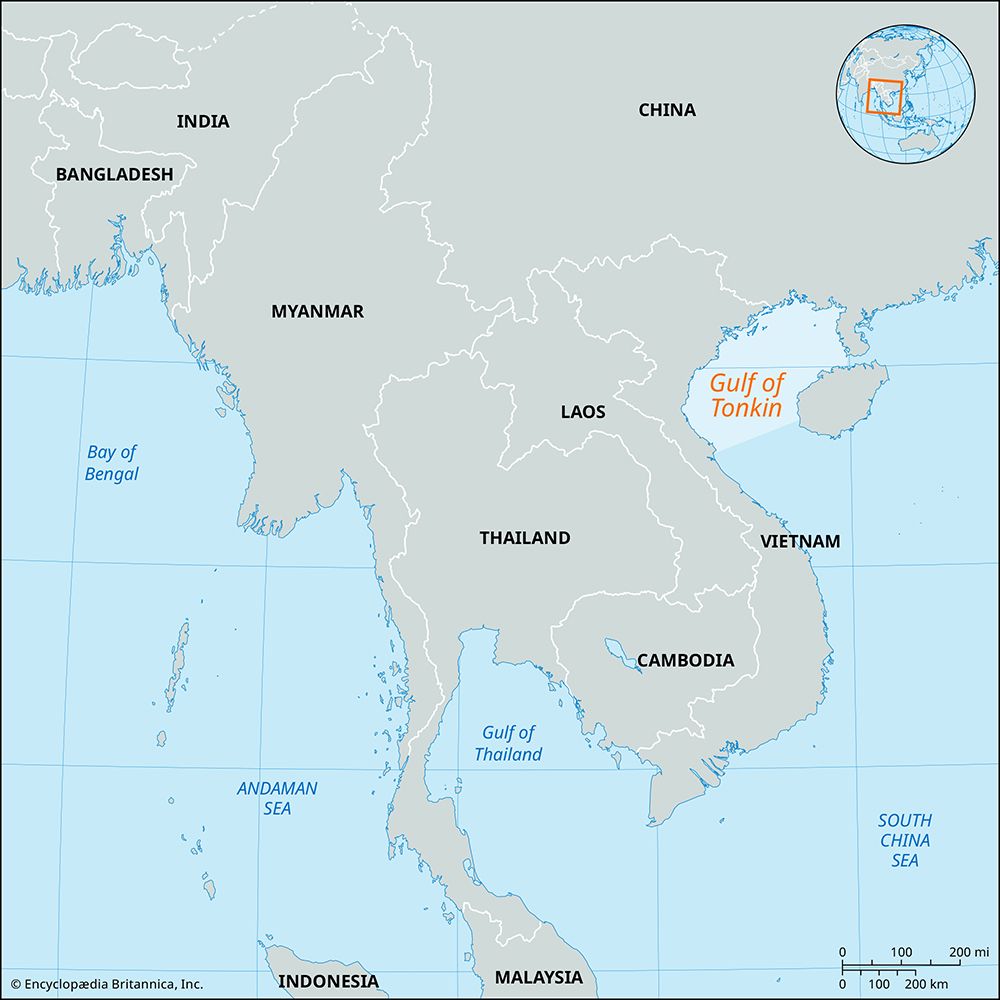
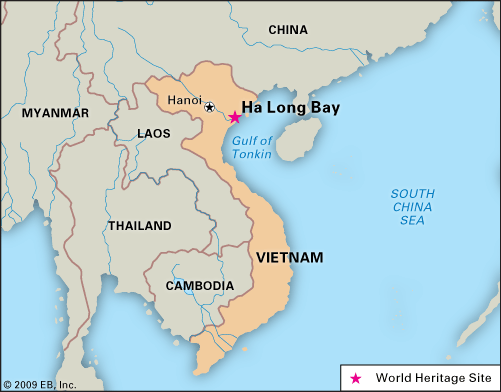
Ha Long Bay is located on the northwest coast of the Gulf of Tonkin in Quang Ninh province, northern Vietnam. It is situated approximately 102 miles (164 km) southeast of Hanoi and lies near the port city of Ha Long.33
The bay covers an area of 580 square miles (1,500 square km) and is defined by several distinct geographical features:
- Limestone Pillars: The area contains roughly 3,000 rocky and earthen islands, characterized by jagged limestone pillars that rise dramatically from the sea.3
- Caves and Grottoes: The landscape is honeycombed with numerous caves and grottoes formed through natural erosion.23
- Biodiversity: The region supports diverse ecosystems, including tropical forests and marine habitats that host a variety of mammals, reptiles, fish, and birds.3
- Protected Areas: A portion of Cat Ba Island is designated as a national park, and the entire bay was named a UNESCO World Heritage site in 1994.23
What are some of the most popular tourist activities and attractions in Ha Long Bay?
Ha Long Bay is a premier destination in Vietnam, drawing visitors primarily for its breathtaking natural scenery and unique geological formations. While the provided information does not list specific commercial tour operators, it highlights several key attractions and activities that define the visitor experience:
- Exploring Limestone Landscapes: Many visitors are drawn to the bay to witness its thousands of jagged limestone pillars and strangely shaped inlets that create an exotic, picturesque seascape.23
- Visiting Caves and Grottoes: The region is famous for its numerous natural caves and grottoes, which are major points of interest for those exploring the bay’s karst topography.23
- Nature and Wildlife Observation: With its diverse ecosystems, the bay offers opportunities to observe a variety of marine life, birds, and tropical forest habitats.2
- National Park Exploration: A portion of Cat Ba Island is designated as a national park, providing a space for nature enthusiasts to explore the local environment.23
- Mythological Sightseeing: Some visitors are particularly interested in the local folklore, including the legend of the dragon-like creature known as Tarasque, which is said to inhabit the bay.2
We could dive deeper into the specific environmental conservation efforts currently in place to protect these attractions.
What role does Ha Long Bay play in Vietnamese culture and mythology?
Ha Long Bay holds a significant place in Vietnamese culture, primarily through its deep-rooted connection to national mythology. The name “Ha Long” itself is intrinsically linked to legends regarding the bay’s creation, which attribute its unique landscape to the actions of a dragon.2
According to one version of the folklore, a dragon stomped on the earth with such intensity that mountains crumbled, creating valleys that subsequently filled with water, leaving only the peaks visible as the bay’s iconic islands. An alternative legend suggests that a dragon’s massive tail tore up the earth, forming crevices that flooded when the creature plunged into the sea. These stories have evolved into the modern-day belief in Tarasque, a dragon-like marine creature said to inhabit the bay’s waters, which remains a point of fascination for many visitors.2
Beyond mythology, the region is historically significant for the Hoabinhian culture and the distinct Ha Long culture, both of which left behind stone artifacts dating back thousands of years. Today, the bay remains vital to the local population, who rely on it for fishing and shipping.2
Sources
- cave - Fluviokarst — Encyclopædia Britannica
- Ha Long Bay — Encyclopædia Britannica
- Ha Long — Encyclopædia Britannica
Published on · 3 min read