Haʿapai Group
The Haʻapai Group is a central island cluster located in Tonga, situated in the South Pacific Ocean approximately 1,400 miles (2,300 km) north-northeast of…
What is the geographical location and composition of the Haʻapai Group in Tonga?
The Haʻapai Group is a central island cluster located in Tonga, situated in the South Pacific Ocean approximately 1,400 miles (2,300 km) north-northeast of Auckland, New Zealand1.
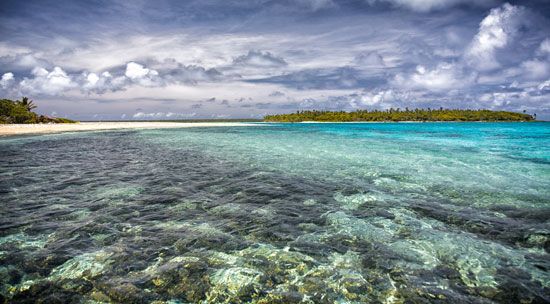
The group is composed of approximately five dozen islands and reefs, which include both coral and volcanic formations dispersed across roughly 5,000 square miles (13,000 square km) of ocean. Key features of the composition include:1
- Coral Islands: These include Lifuka, a crescent-shaped coral island that serves as the administrative headquarters and principal port.1
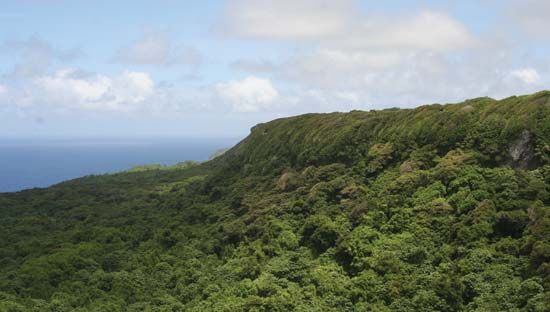
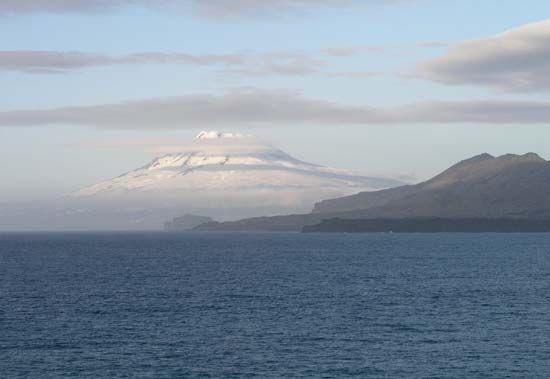
- Volcanic Islands: The group features significant volcanic activity, such as the active volcano on Tofua and the volcanic cone of Kao Island, which is the highest point in Tonga.1
- Submarine Features: The group also contains ephemeral features like Fonuafoʻou (Falcon Island), which is the peak of a submarine volcano, as well as volcanic islets like Hunga Tonga and Hunga Haʻapai.1
What is the historical significance of the Haʻapai Group in Tongan culture and history?
The Haʻapai Group holds significant historical importance within the Tongan archipelago, primarily due to its role as a former center of political power.
- Seat of Monarchy: The island of Lifuka was once the seat of the Tongan monarchy. Its administrative center, Pangai, remains a key port, and a royal palace is still maintained on the island for the king’s occasional use.12
- Maritime History: The region is associated with notable maritime events, including the 1789 mutiny against Capt. William Bligh on the HMS Bounty, which occurred south of the island of Tofua.1
- Royal Governance: The group’s history is deeply intertwined with the broader evolution of Tongan leadership. For instance, in 1854, King George Tupou I ordered the evacuation of Tofua due to concerns regarding its active volcano, demonstrating the monarch’s direct influence over the safety and management of the islands.1
Today, the Haʻapai Group remains one of the three main island divisions of Tonga, serving as a central link in the nation’s cultural and historical identity.3
What is the population of the Haʻapai Group, and how is it distributed among the islands?
The Haʻapai Group had a preliminary population of 7,572 as of 2006.2
Regarding the distribution of this population, the available data highlights the following:
- Lifuka: This island serves as the administrative center and principal port of the group. As of 2006, it had a population of 2,967.21
- Tofua: While historically inhabited, King George Tupou I ordered the island evacuated in 1854 due to concerns regarding its active volcano. Consequently, very few people reside there today.2
- Other Islands: The group comprises approximately five dozen islands and reefs. While the population is concentrated in centers like Pangai on Lifuka, many other islands—such as the volcanic cone of Kao Island—are uninhabited.2
The provided information does not offer a detailed breakdown of the population distribution across the remaining individual islands within the group.
How do the people of Haʻapai maintain their traditional Tongan culture and customs?
The people of the Haʻapai Group, like those throughout the Tongan archipelago, maintain their cultural heritage by integrating traditional practices into daily life and community ceremonies. Despite the influence of Western culture, several core customs remain central to their identity:
- Rituals and Social Customs: The consumption of kava—a drink prepared from the root of a pepper plant—remains a vital, elaborate ritual shared across Tongan society.6
- Traditional Arts and Crafts: Women continue to manufacture tapa cloth from bark and weave mats and baskets from pandanus leaves. While traditional carving was historically performed by men, contemporary artisans also produce high-quality crafts to meet the demands of the tourist market.6
- Performance and Oral Tradition: Dancing is a cornerstone of local village festivities and national ceremonies. Popular forms include the meʻetuʻupaki (paddle dance), the kailao (war dance), and the lakalaka, which are accompanied by polyphonic singing. Furthermore, an oral tradition persists through the passing down of proverbs, genealogies, myths, and poetry.6
- Living Structures: Many residents continue to live in traditional fale, which are rectangular structures typically featuring thatched or corrugated tin roofs with sides made of woven coconut leaves, reeds, or timber.7
Sources
- Haʿapai Group — Encyclopædia Britannica
- Lifuka — Encyclopædia Britannica
- history of Tonga — Encyclopædia Britannica
- Hawaii - The arrival of Europeans — Encyclopædia Britannica
- list of islands - Tonga — Encyclopædia Britannica
- Tonga - Cultural life — Encyclopædia Britannica
- Tonga - People — Encyclopædia Britannica
Published on · 3 min read