Haarlem Lake
The primary environmental benefit of the Haarlem Lake polder project was the mitigation of severe flood risks that had historically threatened major cities…
What environmental challenges or benefits have resulted from the Haarlem Lake polder project?
The primary environmental benefit of the Haarlem Lake polder project was the mitigation of severe flood risks that had historically threatened major cities like Amsterdam, Haarlem, and Leiden. By the 1830s, successive inundations had expanded the lake to nearly 45,000 acres, creating a dangerous hazard for the surrounding region.1
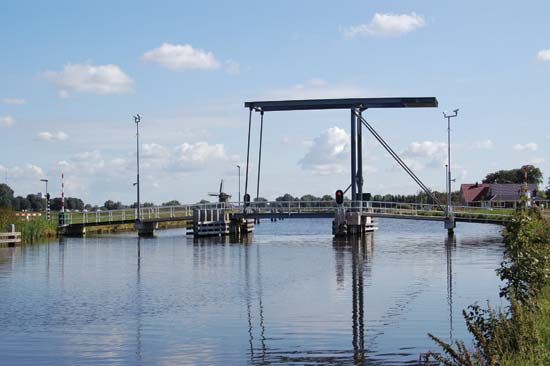
The reclamation process, completed in 1852, transformed this volatile water body into highly fertile land. The resulting soil, composed mainly of clay, proved exceptionally productive for agriculture, supporting the cultivation of wheat, beets, potatoes, and horticulture. To manage the water, engineers constructed the Ring Canal, which served the dual purpose of receiving drainage water and maintaining shipping routes previously provided by the lake.12
While the project successfully stabilized the landscape and created valuable arable land, it also fundamentally altered the local ecosystem, eventually leading to significant urbanization within the Haarlemmermeer municipality by the 1980s.2
How long did it take to complete the drainage of Haarlem Lake?
The reclamation of Haarlem Lake was a significant engineering undertaking that took 12 years to complete. Following the approval of the drainage plan in 1839, the project was carried out between 1840 and 1852.1
The process involved two primary phases: the construction of the Ring Canal to manage water and shipping, and the implementation of steam-powered pumping, which began in 1848. By 1852, the lake was successfully drained, resulting in the creation of a highly fertile polder that covered over 42,000 acres.1
How does the Haarlem Lake polder compare to other land reclamation projects in the Netherlands?
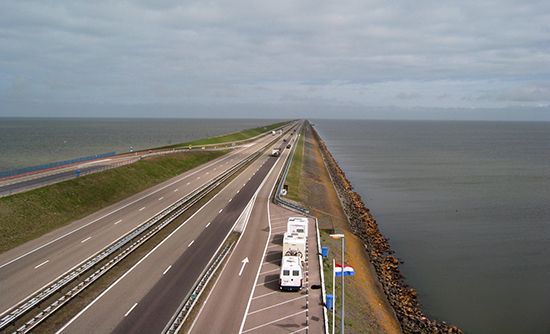
The Haarlem Lake polder project serves as a foundational example of Dutch land reclamation, yet it differs significantly in scale, purpose, and technology from later, more complex initiatives like the IJsselmeer Polders and the Delta Works.
Comparison of Reclamation Projects
- Scale and Scope: The Haarlem Lake project reclaimed approximately 42,000 acres to mitigate flood risks to nearby cities and create arable land. In contrast, the Zuiderzee project was a massive regional undertaking that enclosed a large inland sea, creating four major polders that added roughly 626 square miles (1,620 square km) to the Netherlands.156
- Technological Evolution: Haarlem Lake relied on steam-powered pumping to drain a landlocked basin. Later projects, such as the Delta Works, utilized advanced engineering like storm-surge barriers with adjustable gates to balance flood protection with environmental preservation, allowing tidal movement to benefit local ecosystems.176
- Primary Objectives: While Haarlem Lake was primarily focused on drainage for agricultural production, modern projects like the Delta Works prioritize coastal defense and the prevention of salt contamination, reflecting a shift toward managing the complex relationship between freshwater basins and the North Sea.86
What is a polder, and how does it relate to Haarlem Lake?
A polder is a tract of low-lying land reclaimed from a body of water, such as a lake or the sea, through the construction of dikes and subsequent drainage of the enclosed area. When the land is below the water level, mechanical pumping is required to remove the water and keep the area dry.1
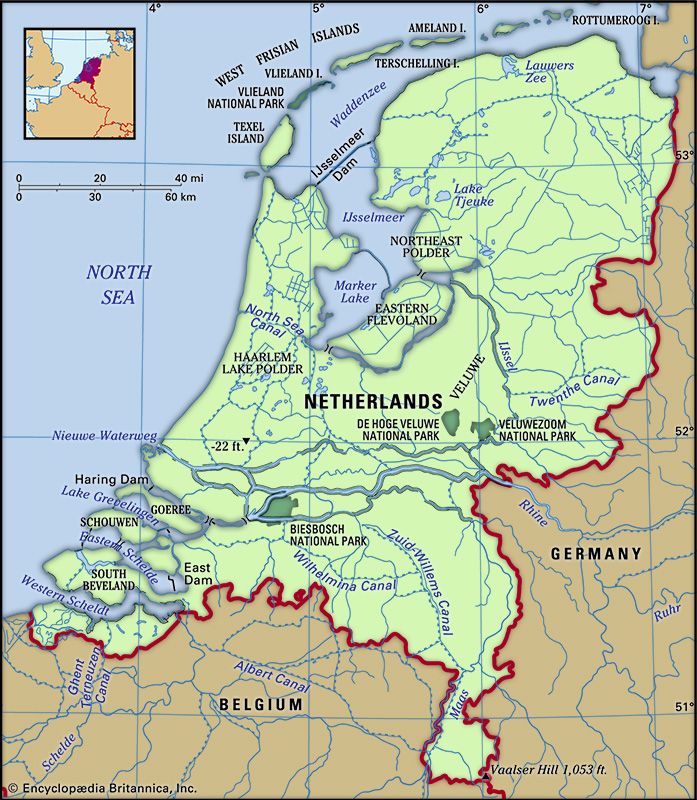
Haarlem Lake is a prominent example of a polder in the western Netherlands. By the 1830s, the lake had expanded through successive inundations, threatening nearby cities like Amsterdam and Leiden. To reclaim the land, a Ring Canal was constructed to manage water and shipping, followed by the use of steam-powered pumps to drain the basin between 1840 and 1852. The resulting polder, which is coextensive with the municipality of Haarlemmermeer, transformed the former lake bed into highly fertile, arable land that now supports agriculture, industry, and infrastructure, including Schiphol Airport.24
Sources
- Haarlem Lake — Encyclopædia Britannica
- polder — Encyclopædia Britannica
- Haarlemmermeer — Encyclopædia Britannica
- IJsselmeer Polders — Encyclopædia Britannica
- Delta Works — Encyclopædia Britannica
- Netherlands: Top Questions — Encyclopædia Britannica
- Harbors and sea works - The Delta Works — Encyclopædia Britannica
- Netherlands - Soils — Encyclopædia Britannica
- Amsterdam - City development — Encyclopædia Britannica
- Netherlands - Drainage and dikes — Encyclopædia Britannica
Published on · 3 min read