Hayli Gubbi
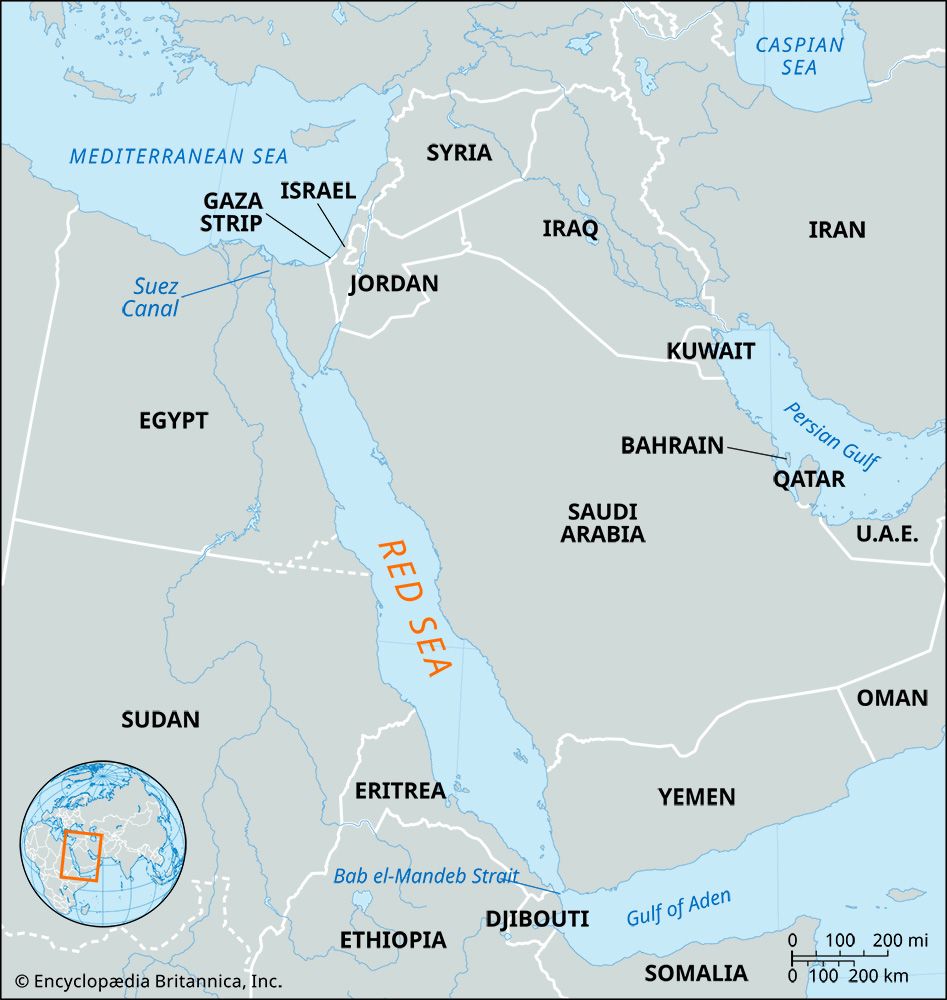
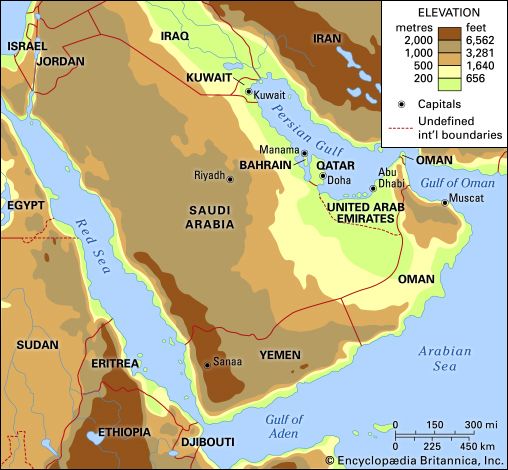
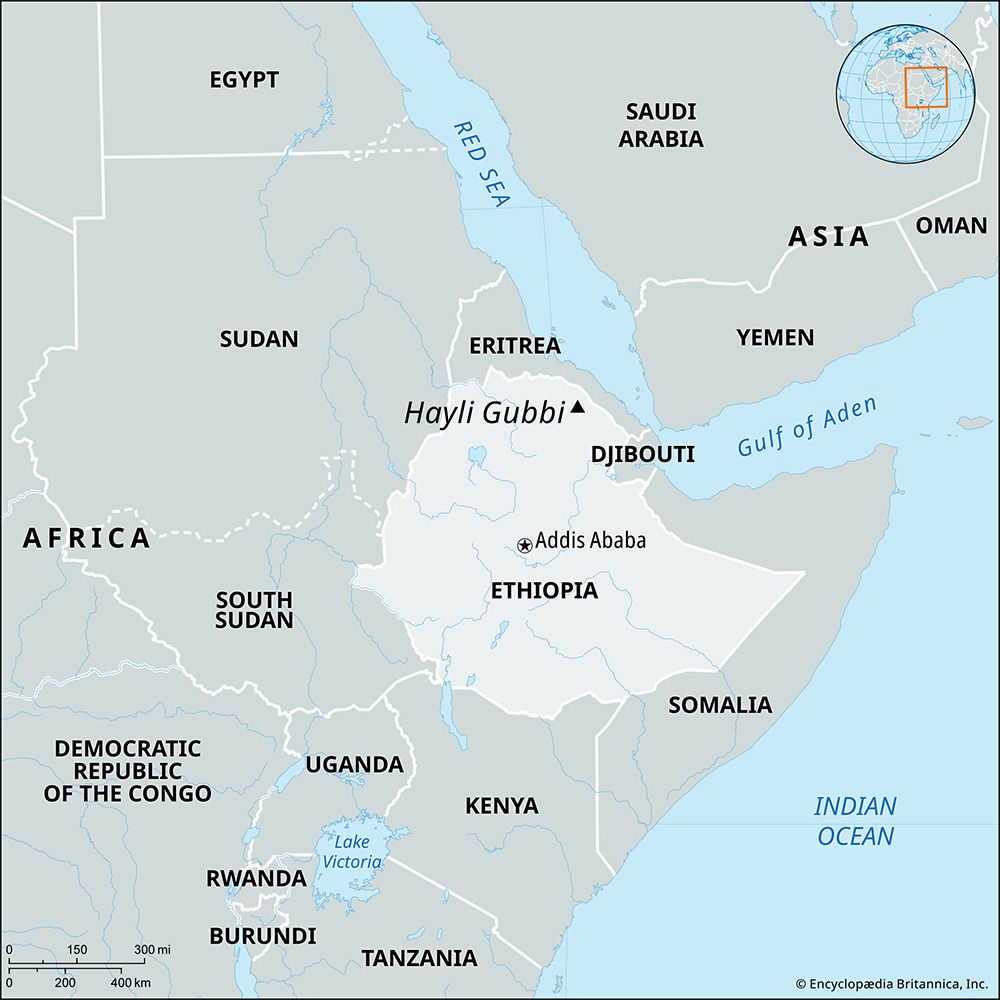
Hayli Gubbi is a shield volcano located in the Denakil Plain within the Afar region of eastern Ethiopia. Situated near the southern end of the Erta-Ale…
What is Hayli Gubbi?
Hayli Gubbi is a shield volcano located in the Denakil Plain within the Afar region of eastern Ethiopia1. Situated near the southern end of the Erta-Ale range, the volcano is composed of basalt, trachyte, and rhyolite.1
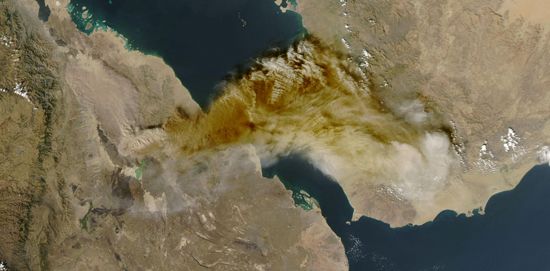
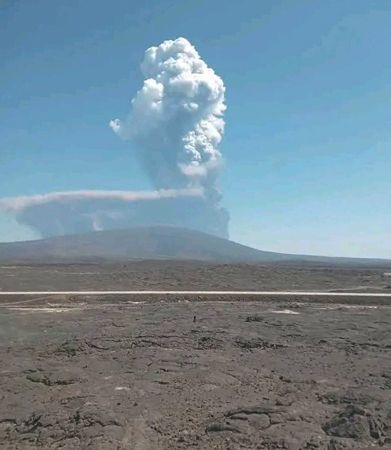
On November 23, 2025, Hayli Gubbi experienced an explosive eruption, its first documented event in approximately 12,000 years. The eruption produced an ash plume reaching about 9 miles (15 km) in height, which drifted across the Red Sea and the Arabian Peninsula toward the Indian subcontinent and China, prompting international aviation warnings. While shield volcanoes typically erupt effusively, the presence of silica-rich magma at Hayli Gubbi allowed for the pressure buildup that triggered this explosive event. The surrounding area is sparsely populated, with local communities primarily engaged in salt mining and pastoralism.21
What is a shield volcano and how does it differ from other types?
A shield volcano is a large, dome-shaped mountain built primarily from the accumulation of fluid basaltic lava flows. Named for their resemblance to a warrior’s shield lying face-up, these volcanoes are characterized by gentle slopes that rarely exceed 6°. They typically form over long periods through numerous effusive eruptions—where relatively low-viscosity, low-gas magma flows steadily from summits and rift zones.345
Differences from Other Volcano Types
Volcanic landforms are largely determined by the composition of their magma, eruption frequency, and vent geometry. Key differences include:2
- Stratovolcanoes: Unlike the gentle slopes of shield volcanoes, stratovolcanoes often feature steep, symmetrical cones. They are built by alternating layers of ash and lava, typically resulting from moderately explosive eruptions.62
- Pyroclastic Cones: These are smaller structures formed by the accumulation of volcanic fragments around a vent, contrasting with the massive, lava-built edifices of shield volcanoes.6
- Complex/Compound Volcanoes: These result from changing eruptive habits or vent locations over time, creating a mixture of landforms rather than a single, consistent structure like a shield volcano.2
While shield volcanoes are generally effusive, exceptions occur when magma contains higher silica levels (such as trachyte or rhyolite), which can trap gases and trigger explosive events, as seen in the 2025 eruption of Hayli Gubbi.4
How does the East African Rift influence volcanic activity in the region?
The East African Rift System (EARS) is a major tectonic feature where the African Plate is pulling apart, a process that has been ongoing for approximately 30 million years. This rifting creates gaps in the crust that allow magma to rise from the mantle, leading to extensive volcanic activity along the length of the system.728
Influence on Volcanic Characteristics
While many rift-related volcanoes are associated with basaltic magma, those within the East African Rift are notably complex. As magma rises through the continental crust, it can assimilate surrounding rock, which alters its composition. This process often results in:8
- Diverse Rock Types: Unlike simple oceanic rifts that primarily produce basalt, EARS volcanoes frequently erupt silica-rich materials such as trachyte and rhyolite.98
- Explosive Habits: Silica-rich magma is more viscous and traps gases, which can lead to significant pressure buildup. This explains why volcanoes in this region, such as Hayli Gubbi, can produce explosive eruptions and tall ash plumes, despite being shield volcanoes that are typically effusive.98
- Structural Diversity: The rift has produced massive volcanic massifs, including Kilimanjaro and Mount Kenya, as well as long chains of volcanoes like the Erta-Ale range.79
What are the differences between effusive and explosive volcanic eruptions?
Volcanic eruptions are primarily categorized as either effusive or explosive based on their eruptive habits, which are largely determined by the properties of the magma.4
Effusive Eruptions
Effusive eruptions involve the relatively gentle outpouring of basaltic magma. This magma is characterized by low viscosity and low gas content, allowing gases to escape easily as the magma rises. Because the gas does not build up significant pressure, the lava flows steadily from vents or fissures rather than shattering.4
Explosive Eruptions
Explosive eruptions involve magma that is highly viscous and rich in dissolved gases. Because the thick, viscous magma prevents gases from escaping, pressure builds up until it is released violently, shattering the magma into pyroclastic fragments. Factors such as the rate of decompression and the presence of crystals (which act as nucleation sites for gas bubbles) further influence the intensity of these events.4
The spectrum of these eruptions ranges from the relatively calm Icelandic and Hawaiian types to the intensely violent Plinian type.4
Sources
- Hayli Gubbi: Top Questions — Encyclopædia Britannica
- Hayli Gubbi — Encyclopædia Britannica
- volcano - Shield volcanoes — Encyclopædia Britannica
- volcano - Six types of eruptions — Encyclopædia Britannica
- volcano - Major types — Encyclopædia Britannica
- volcano - Determinants of size and shape — Encyclopædia Britannica
- East African Rift System — Encyclopædia Britannica
- volcano - Rift volcanoes — Encyclopædia Britannica
- volcanism — Encyclopædia Britannica
Published on · 3 min read