Hazaribag Wildlife Sanctuary
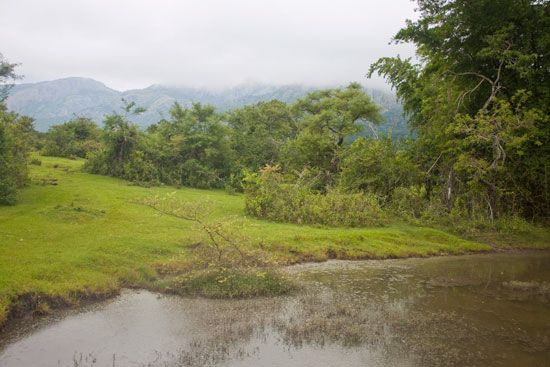
The Hazaribag Wildlife Sanctuary is a protected area located on the Chota Nagpur plateau in the state of Jharkhand, India. Established in 1954, it spans 71.9…
What is Hazaribag Wildlife Sanctuary?
The Hazaribag Wildlife Sanctuary is a protected area located on the Chota Nagpur plateau in the state of Jharkhand, India. Established in 1954, it spans 71.9 square miles (186.3 square km) at an average elevation of 2,000 feet.12
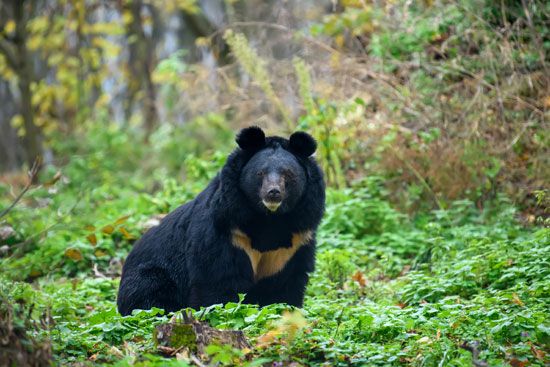
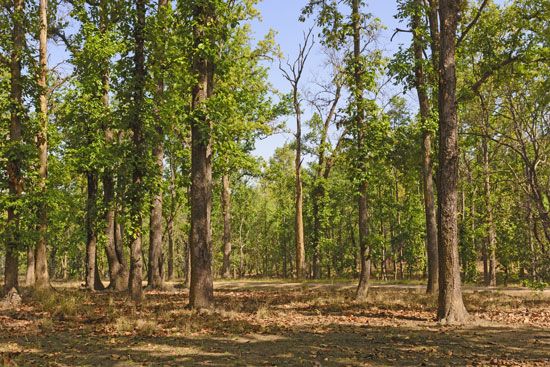
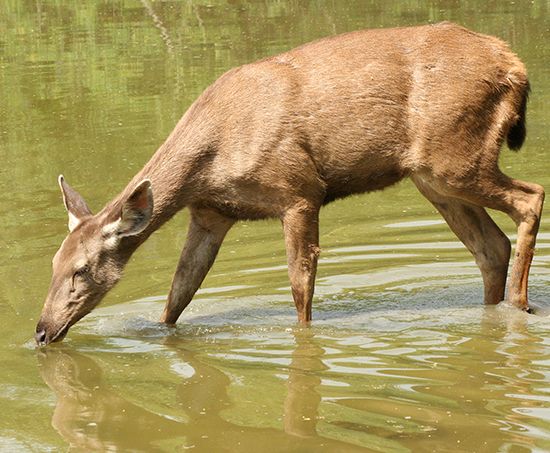
The sanctuary features dense sal forests that serve as a habitat for sloth bears, black bears, deer, hyenas, and various birds. Historically, the area supported tigers, but they were wiped out by the end of the 20th century due to poaching and hunting, which also led to the disappearance of sambar deer and impacted other predators like leopards.12
The sanctuary faces significant conservation challenges, including illegal mining for coal and stone, unchecked construction, and pollution. Protecting these habitats from such degradation is a moral imperative to ensure the survival of biodiversity.12
What is the significance of the Chota Nagpur plateau?
The Chota Nagpur plateau is a significant geographical region in eastern India that serves as the primary physical feature of Jharkhand. Composed of ancient Precambrian rocks, it is a collective of plateaus, hills, and valleys that plays a vital role in the nation’s economy and culture.34
Economic and Industrial Importance
The plateau is widely recognized as the most valuable concentration of mineral resources in India. The Damodar River valley contains vast coal reserves, while the Hazaribagh region is a globally significant source of mica. Additionally, the area is rich in copper, limestone, bauxite, iron ore, and asbestos. This mineral wealth supports major industrial infrastructure, including large steel mills and thermal power plants, such as those located at Bokaro.3
Cultural and Geographical Significance
Beyond its industrial utility, the plateau holds deep cultural importance. The conical granite peak of Parasnath, located on the Hazaribag plateau, is a sacred site for the Jain religion and the Santhal people5. Geographically, the plateau acts as a critical watershed, lying between the basins of the Ganges and Son rivers to the north and the Mahanadi River to the south.3
How do salt licks help wild animals in a sanctuary?
Salt licks provide essential minerals that are often lacking in the natural diet of wild animals. While the term “salt lick” specifically refers to common salt (sodium chloride), these sites often serve as a vital source for other critical nutrients, including calcium, phosphorus, copper, and cobalt.
These minerals are fundamental to animal health:
- Physiological Function: Sodium is required in amounts often exceeding what is found in standard forage.
- Development: Calcium and phosphorus are heavily drawn upon for the production of bones and other biological structures.
- Blood Health: Minerals like copper, cobalt, and iron are necessary for the formation of hemoglobin, which transports oxygen in the blood.
- Disease Prevention: Access to trace minerals helps prevent deficiencies that can lead to conditions like anemia or goitre, the latter of which is associated with iodine deficiency.
By providing these supplements, sanctuaries help ensure that animals maintain the nutritional balance necessary for growth, reproduction, and overall survival.
What are the differences between a wildlife sanctuary and a national park?
While both national parks and wildlife sanctuaries are protected areas established to conserve the natural environment and its inhabitants, they differ primarily in their management objectives, legal status, and the extent of human activity permitted within their boundaries.
National Parks
National parks are typically established by national governments to preserve large, outstanding scenic areas for both conservation and public recreation.7
- Focus: They often emphasize the protection of entire ecosystems, including land, flora, and fauna, and are frequently designed to accommodate tourism through regulated access.7
- Management: These areas often have stricter enforcement of regulations to minimize human impact on wildlife, though they are paradoxically dependent on public interest and tourism for their continued existence.7
Wildlife Sanctuaries
Wildlife sanctuaries are generally focused on the protection of specific animal species or habitats.82
- Focus: The primary goal is the preservation of wildlife populations and their natural habitats, often with a more targeted approach to species recovery.82
- Flexibility: While they are legally protected, the level of human activity and resource use permitted can be more flexible than in a national park, depending on the specific regulations of the region.82
In some instances, such as the Hazaribag Wildlife Sanctuary, areas may be considered for elevation to national park status to enhance their protection, though they may retain their sanctuary designation due to administrative or conservation priorities.2
Sources
- Hazaribag Wildlife Sanctuary: Top Questions — Encyclopædia Britannica
- Hazaribag Wildlife Sanctuary — Encyclopædia Britannica
- Chota Nagpur plateau — Encyclopædia Britannica
- Chota Nagpur — Merriam-Webster
- Jharkhand - Relief, drainage, and soils — Encyclopædia Britannica
- Feed - Minerals — Encyclopædia Britannica
- national park — Encyclopædia Britannica
- Environment and sustainable development in India - Wildlife — Encyclopædia Britannica
Published on · 3 min read