Hormuz
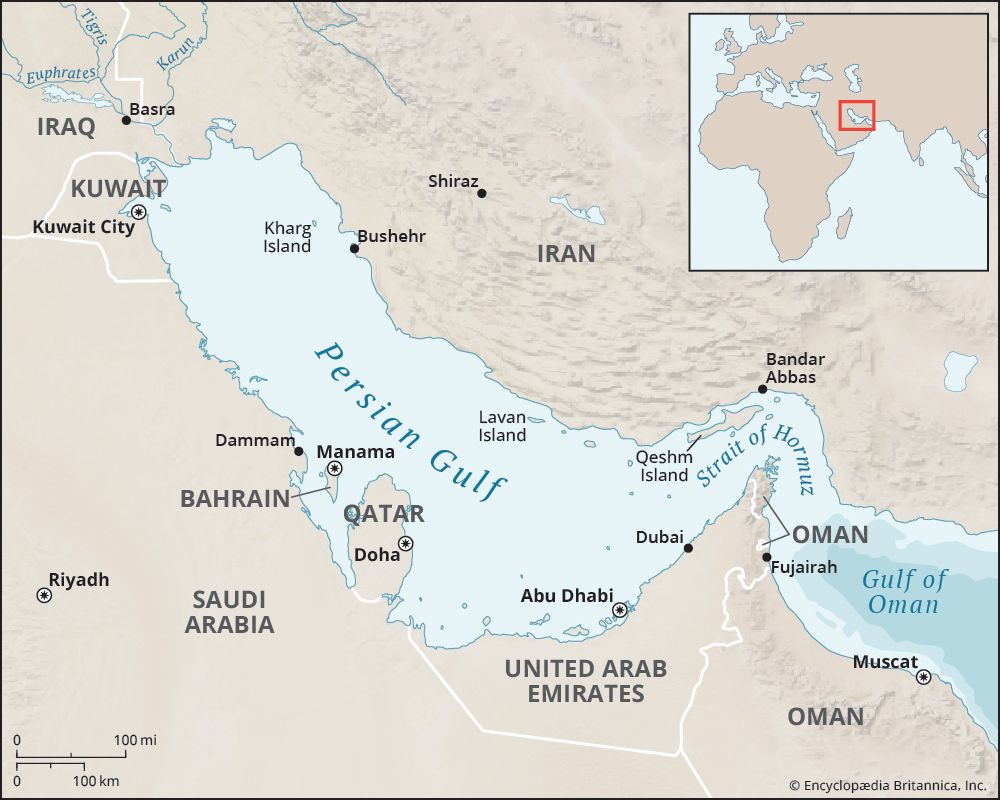
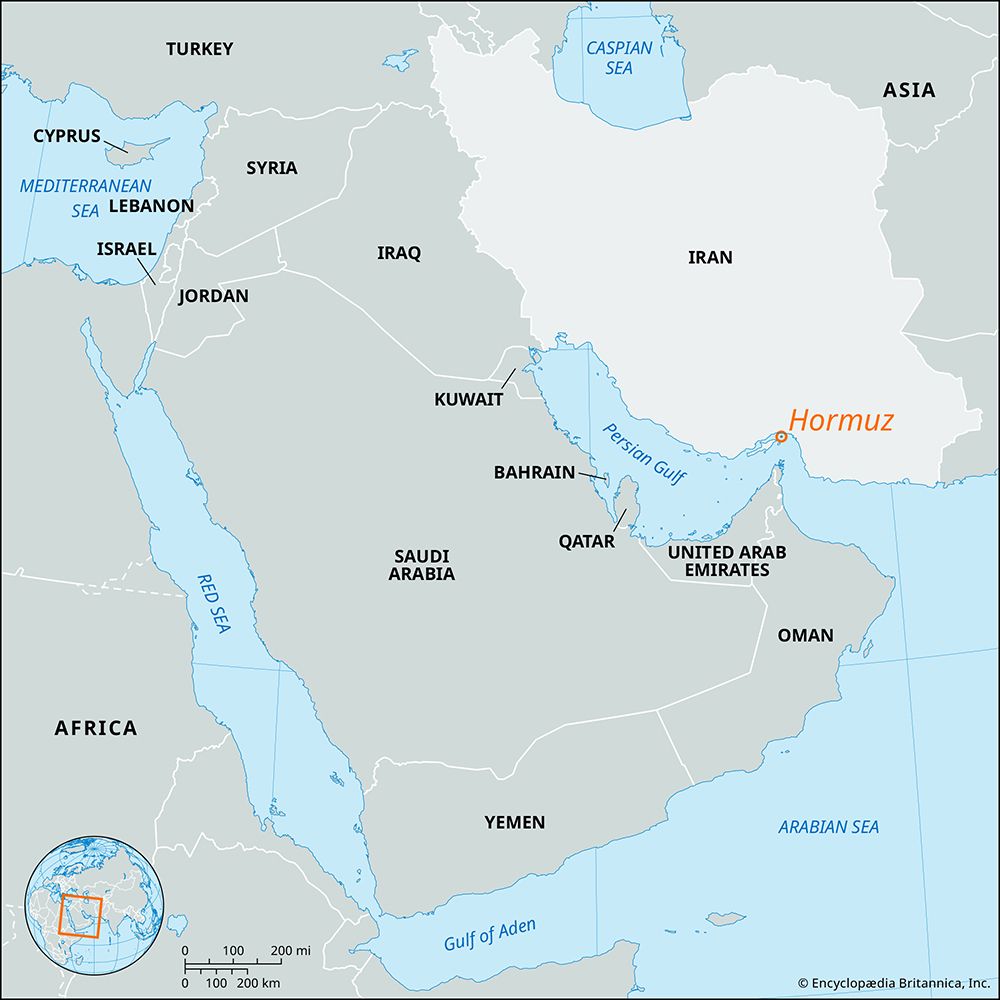
The island of Hormuz owes its historical significance to its strategic position on the Strait of Hormuz, the vital waterway connecting the Persian Gulf and…
How has the island’s location influenced its history and development?
The island of Hormuz owes its historical significance to its strategic position on the Strait of Hormuz, the vital waterway connecting the Persian Gulf and the Gulf of Oman.12
Historically, this location allowed the island to serve as a major commercial hub. By 1200, it monopolized trade between India and China. After the island was settled around 1300, it became the preeminent emporium of the Persian Gulf, dominating regional trade and occasionally exerting influence over mainland Oman.2
Its strategic value also made it a target for colonial powers. The Portuguese captured the island in 1514, holding it for over a century until joint Anglo-Persian forces seized it in 1622. Today, the island’s proximity to the strait—a chokepoint for approximately 20 percent of the world’s crude oil and liquefied natural gas—maintains its status as a location of immense geopolitical importance.21
What is the strategic importance of the island of Hormuz in the Persian Gulf?
The island of Hormuz holds immense strategic importance primarily due to its location on the Strait of Hormuz. This narrow waterway serves as the essential sea channel linking the Persian Gulf to the Gulf of Oman and the Arabian Sea.14
The strait is a critical global chokepoint, as approximately 20 percent of the world’s crude oil and liquefied natural gas exports must pass through it. Because of this, the island’s proximity to the strait—and to the nearby Iranian port of Bandar Abbas—makes it a focal point for regional shipping activity and geopolitical security.14
Historically, this strategic position allowed the island to function as a dominant commercial emporium, controlling trade routes between India and China for centuries. Its value as a gateway to the Persian Gulf led to its occupation by various powers, including the Portuguese, before it eventually became a key asset for Iran.2
How has Hormuz Island’s culture been shaped by its position between Iran and the Arabian Peninsula?
The available information does not explicitly detail how the culture of Hormuz Island has been shaped by its position between Iran and the Arabian Peninsula. However, historical records indicate that the island’s development was deeply influenced by its role as a commercial hub connecting India and China, as well as its shifting political control.2
Following the Arab conquest, the island became a significant market for Kerman, and by 1300, it had become the preeminent emporium of the Persian Gulf, dominating other islands and occasionally exerting influence over mainland Oman. Its strategic value led to centuries of external influence, including a period of Portuguese occupation and a later lease of the island to the rulers of Muscat and Oman between 1798 and 1868. While these events highlight the island’s historical integration into regional trade and political networks, the specific cultural synthesis resulting from its geographic position is not documented in the provided search results.21
What is the significance of the Strait of Hormuz, and how does it relate to the island?
The Strait of Hormuz is a vital maritime gateway that serves as the only sea channel linking the oil-rich Persian Gulf to the Gulf of Oman and the Arabian Sea. It is considered one of the world’s most critical energy chokepoints, as approximately 20 to 25 percent of the global maritime crude oil and liquefied natural gas trade passes through its waters daily.412
The island of Hormuz derives its strategic significance directly from its location on this strait, situated just 5 miles (8 km) off the coast of Iran. Because the island sits at the entrance to this essential waterway, it has historically functioned as a dominant commercial emporium, controlling trade routes between India and China. Today, the island’s proximity to the strait and the nearby Iranian port of Bandar Abbas reinforces its role as a focal point for regional shipping activity and geopolitical security.27
Sources
- Hormuz: Top Questions — Encyclopædia Britannica
- Hormuz — Encyclopædia Britannica
- Qeshm Island: Top Questions — Encyclopædia Britannica
- Strait of Hormuz: Top Questions — Encyclopædia Britannica
- Hormozgān — Encyclopædia Britannica
- Persian Gulf - Transportation — Encyclopædia Britannica
- How Much Oil Passes Through the Strait of Hormuz? — Encyclopædia Britannica
Published on · 3 min read