Housatonic River
The Housatonic River is a 148-mile (238 km) river located in southwestern New England. It originates in the Berkshire Hills near Pittsfield, Massachusetts…
What is Housatonic River?
The Housatonic River is a 148-mile (238 km) river located in southwestern New England. It originates in the Berkshire Hills near Pittsfield, Massachusetts, and flows southward through Massachusetts and Connecticut before emptying into the Long Island Sound.12
The river drops 959 feet (292 m) over its first 119 miles, a descent utilized by several hydroelectric plants. Below the city of Derby, the river becomes tidal for approximately 12 miles. Additionally, the river features Lake Zoar, which is impounded within Paugussett State Forest. The name “Housatonic” is believed to originate from a Mohican word meaning “place beyond the mountain.”1
What are the Berkshire Hills?
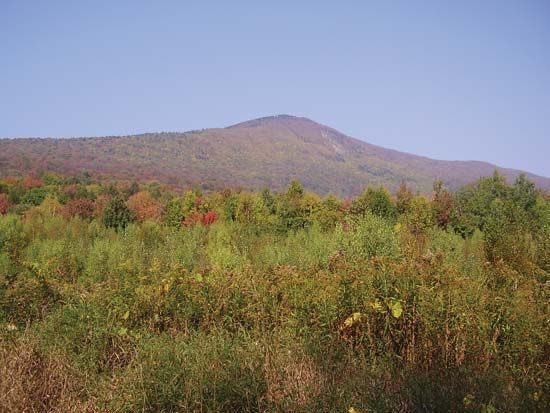
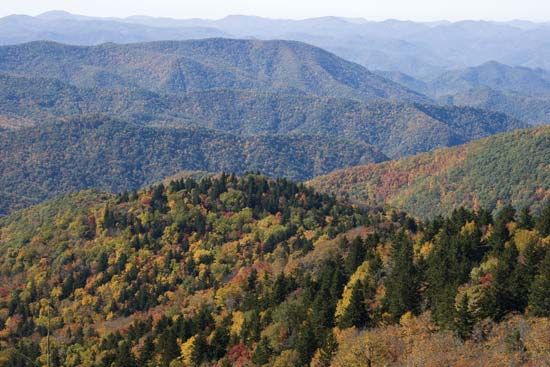
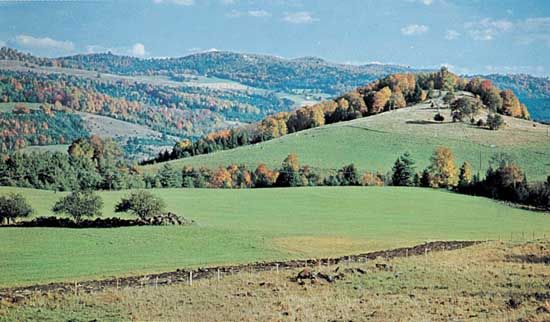
The Berkshire Hills, often referred to as the Berkshires, are a scenic segment of the Appalachian Mountains located primarily in western Massachusetts and extending into Connecticut.34
These wooded hills serve as a southern continuation of the Green Mountains of Vermont and include the Hoosac Range, the Taconic Range, and the Litchfield Hills. The region features significant elevations, most notably Mount Greylock, which stands at 3,491 feet (1,064 metres) and serves as the highest point in Massachusetts. The area is drained by several key rivers, including the Hoosic and the Housatonic.35
Renowned as a year-round vacation destination, the Berkshires are crossed by the Appalachian National Scenic Trail and the Mohawk Trail scenic highway. The region is also a cultural hub, hosting the Tanglewood Music Festival in Lenox and various seasonal theatre and dance festivals.35
How do hydroelectric plants work?
Hydroelectric power plants generate electricity by converting the potential energy of water into mechanical energy and then into electrical power.6
The process typically involves these steps:
- Collection: Water is stored at a higher elevation, often behind a dam, creating a “head”—the vertical distance the water falls.76
- Conveyance: The water is directed downward through large pipes or tunnels known as penstocks into a powerhouse.6
- Generation: As the water exits the penstocks, its force causes turbines to rotate. These turbines are connected to generators, which convert the mechanical rotation into electricity.6
- Transmission: Transformers increase the voltage of the generated electricity to make it suitable for long-distance transmission.6
To manage varying energy demands, some facilities use pumped-storage systems, which pump water to an elevated reservoir during off-peak hours to be released for power generation during periods of high demand. While hydroelectricity is a renewable energy source, it is important to acknowledge that the dams required for these plants can disrupt ecosystems and displace communities.67
Who were the Mohican people?
The Mohican are an Algonquian-speaking people originally native to the upper Hudson River valley in New York. Their name for themselves translates to “the people of the waters that are never still.” It is important to note that they are a distinct group and should not be confused with the Mohegan of Connecticut or the Mohawk, an Iroquoian-speaking tribe.8910
Historically, the Mohican lived in fortified villages and were organized into matrilineal clans governed by hereditary chiefs. Following conflicts with the Mohawk and the pressures of European colonization, many Mohican moved to Stockbridge, Massachusetts, in the 18th century. This group became known as the Stockbridge band and eventually relocated to Wisconsin, where they share a reservation today. Their legacy was famously, though romantically, portrayed in James Fenimore Cooper’s The Last of the Mohicans.8
Sources
- Housatonic River — Encyclopædia Britannica
- Housatonic — Merriam-Webster
- Berkshire Hills — Encyclopædia Britannica
- Berkshire Hills — Merriam-Webster
- Berkshire — Encyclopædia Britannica
- Did you know? — Merriam-Webster
- hydroelectric power — Encyclopædia Britannica
- Mohican — Encyclopædia Britannica
- Mohegan — Encyclopædia Britannica
- Mohawk — Encyclopædia Britannica
Published on · 2 min read