Appalachian Mountains
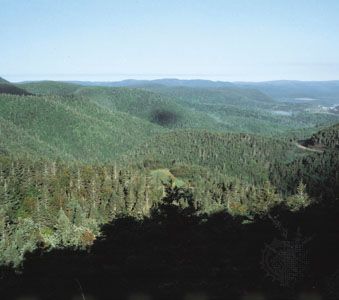
The Appalachian ecosystem is a remarkably diverse floral and faunal province, characterized by a transition from northern coniferous forests to southern…
What are some of the most notable plant and animal species found in the Appalachian ecosystem?
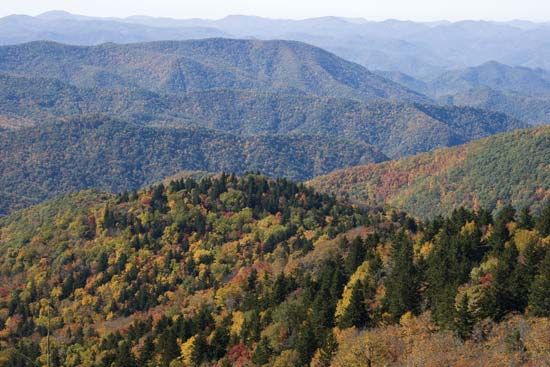
The Appalachian ecosystem is a remarkably diverse floral and faunal province, characterized by a transition from northern coniferous forests to southern deciduous woodlands.1
Flora
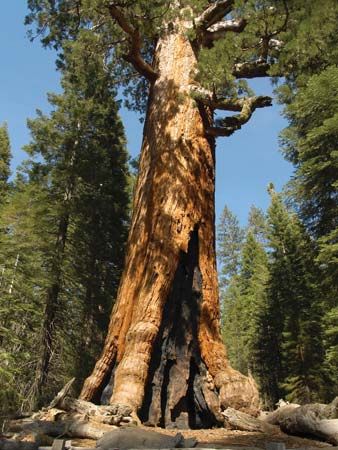
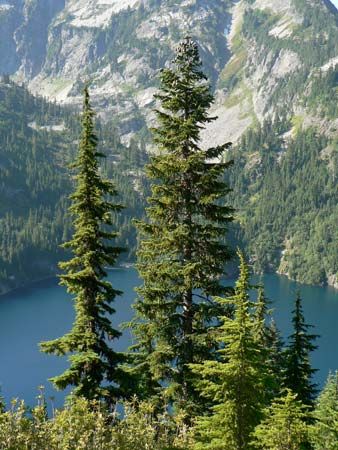
The region hosts approximately 140 tree species. Northern areas are dominated by conifers like red spruce and balsam fir, alongside hardwoods such as sugar maple, beech, and birch. Southern Appalachia features a complex deciduous forest including hickory, walnut, and the tulip tree. The region is also famous for showy flowering shrubs, most notably rhododendron, azalea, and mountain laurel.12
Fauna
Wildlife varies by latitude and elevation. Northern regions support moose and caribou, while the broader Appalachian range is home to black bear, white-tailed deer, fox, raccoon, bobcat, and coyote. The area also supports a vast array of birdlife, with hundreds of species of songbirds and game birds recorded in parks like the Great Smoky Mountains.12
How does the Appalachian Trail contribute to conservation efforts and outdoor recreation in the region?
The Appalachian National Scenic Trail serves as a vital corridor for both conservation and outdoor recreation across the eastern United States.
Conservation Efforts
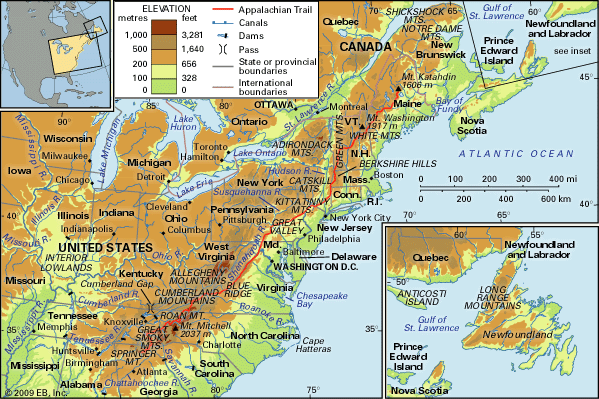
The trail functions as a protected pathway, with nearly its entire 2,190-mile length running through public lands, including eight national forests and six units of the national park system. Its management is a collaborative effort between federal agencies and the Appalachian Trail Conservancy, which coordinates volunteers to maintain the footpath and protect the surrounding environment. By securing this land, the trail helps preserve diverse landscapes and wildlife habitats, ranging from heavily forested wilderness to unique grassy balds.2
Outdoor Recreation
As a premier recreational asset, the trail offers a “hiker’s grandstand” for experiencing the Appalachian Mountains. While short hikes are the most common use, thousands of “thru-hikers” attempt the full journey annually, supported by primitive shelters spaced 10 to 12 miles apart. The trail connects iconic destinations like Shenandoah National Park and the Great Smoky Mountains, facilitating activities such as hiking, camping, and nature observation.42
How have the Appalachian Mountains influenced human settlement and culture in the region?
The Appalachian Mountains have profoundly shaped human history in North America, acting as both a formidable physical barrier and a catalyst for distinct cultural development.
Settlement and Expansion
For centuries, the mountains served as a “long blue wall” that discouraged colonial expansion. Early Indigenous peoples, including the Cherokee in the south and groups like the Mohican in the north, inhabited the region long before European arrival. By the mid-19th century, however, warfare and forced removals—most notably the Trail of Tears—displaced most of these populations.5
European settlement was initially funneled through central water gaps, which provided easier passage than the rugged northern notches or southern ranges. Pioneers like Daniel Boone eventually forged routes like the Cumberland Gap, opening the interior to migration.5
Cultural and Economic Impact
The region’s rugged terrain fostered isolation, particularly in the southern mountains, where highlanders developed a unique culture defined by distinct folklore, ballads, and handicrafts. Economically, the mountains provided vast resources, including timber and some of the world’s richest coal beds. While these industries drove growth, they also led to significant environmental degradation and economic challenges that persist today.678
What are some of the most significant natural resources found in the Appalachian Mountains?
The Appalachian Mountains are geologically diverse, containing a wide variety of natural resources that have historically fueled significant industrial development in the region.
Key Mineral and Energy Resources
- Coal: The region contains some of the world’s richest coal beds, particularly within the Appalachian Plateau. Both anthracite and bituminous coal have been extracted extensively, with the Appalachian coalfields ranking as the largest in the United States.106
- Iron Ore: Historically, veins of iron ore were a cornerstone of the regional economy, supporting major American industries. Significant deposits were notably exploited in Pennsylvania’s Blue Ridge and Piedmont regions.49
- Construction Materials: The mountains are a major source of high-quality stone, including granite, marble, and slate, particularly in northern New England.94
- Other Resources: The region also yields limestone, petroleum, and natural gas, as well as historical deposits of salt.410
Biological Resources
Beyond minerals, the Appalachians possess immense stands of timber, which gave rise to vital lumber and wood-pulp industries. While these resources have been essential to economic growth, their extraction has often been accompanied by significant environmental challenges, including habitat loss and water pollution.45
Sources
- Appalachian Mountains - Plant and animal life — Encyclopædia Britannica
- Appalachian National Scenic Trail — Encyclopædia Britannica
- North America - The Eastern Upland forest — Encyclopædia Britannica
- Appalachian Mountains - Recreation and tourism — Encyclopædia Britannica
- Appalachian Mountains - Geology of the Appalachian Mountains — Encyclopædia Britannica
- Appalachian Mountains - Economic growth — Encyclopædia Britannica
- Appalachian Mountains - Settlement and expansion — Encyclopædia Britannica
- Appalachian Mountains — Encyclopædia Britannica
- Appalachian Plateau — Encyclopædia Britannica
- United States - The Appalachian Mountain system — Encyclopædia Britannica
- Rocky Mountains - Environmental concerns — Encyclopædia Britannica
- coal - Hazards of mining and preparation — Encyclopædia Britannica
Published on · 4 min read