Iguaçu Falls
The ecosystem surrounding Iguaçu Falls is characterized by a rich, diverse environment ranging from semi-deciduous to tropical vegetation. These habitats are…
What unique flora and fauna can be found in the ecosystem surrounding Iguaçu Falls?
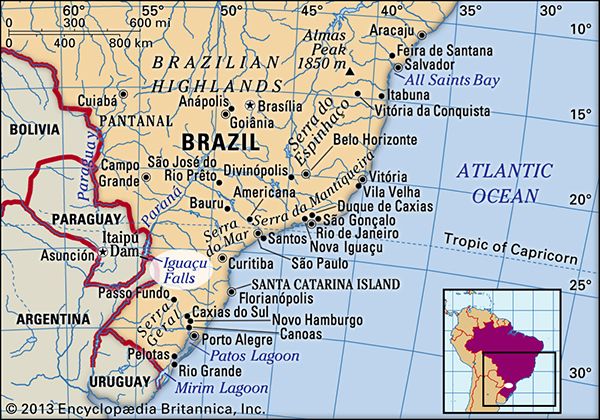
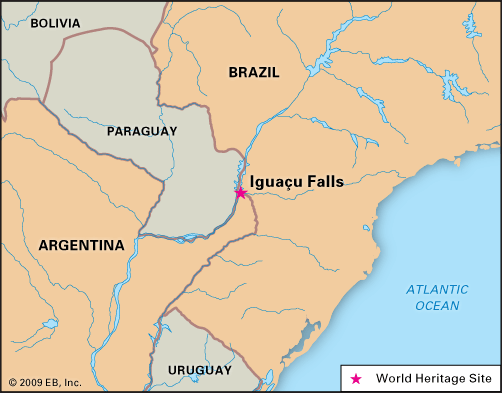
The ecosystem surrounding Iguaçu Falls is characterized by a rich, diverse environment ranging from semi-deciduous to tropical vegetation. These habitats are protected within the Iguaçu National Park in Brazil and the Iguazú National Park in Argentina.1
Flora
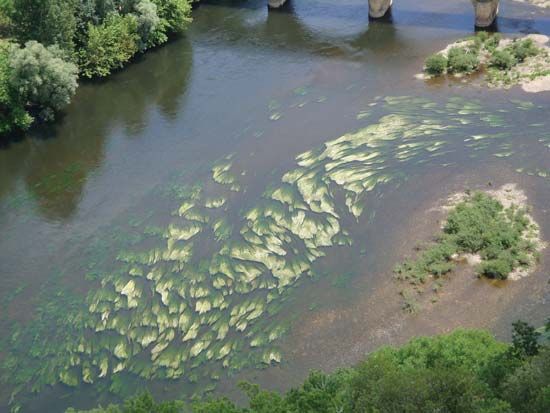
The region’s botanical variety is notable for its contrasts, featuring orchids, pines, bamboos, palms, mosses, lianas, and colorful begonias growing in close proximity. A unique botanical feature is the Podostemaceae family, which consists of water plants specifically adapted to grow only in the rushing waters found on the ledges of the falls.1
Fauna
The area supports a wide array of animal life:
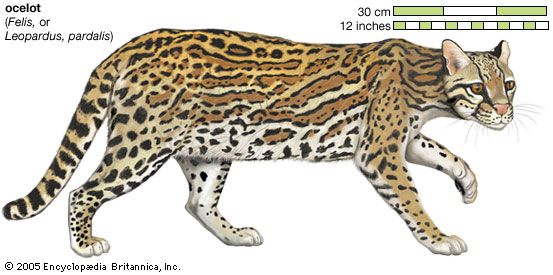
- Mammals: The region is home to jaguars and ocelots, as well as deer and tapirs.1
- Reptiles: Iguanas are a common sight in the area.1
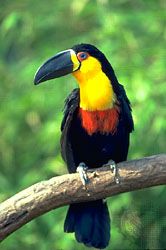
- Birds: The forest is inhabited by toucans and many other bird varieties.1
- Fish: The river system supports species such as the dorado (golden salmon), mandi, and cascudo.1
How do the viewing experiences differ between the Brazilian and Argentinian sides of the falls?
The viewing experiences at Iguaçu Falls differ significantly depending on which side of the border you visit, as each offers unique perspectives of the cataracts.
The Brazilian Side
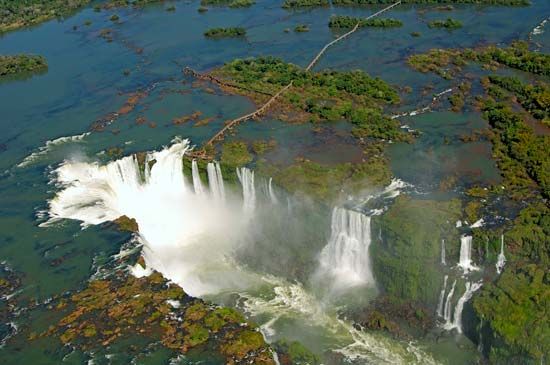
The Brazilian shore is renowned for providing an impressive, sweeping panorama of the falls. From this vantage point, visitors can take in the scale of the entire series of cataracts, including specific falls such as Benjamin Constant, Deodoro, and Floriano. It is an excellent location for capturing the breadth and grandeur of the landscape.1
The Argentine Side
The Argentine side offers a more immersive experience, characterized by an extensive network of forest paths and trails that bring visitors closer to the individual cataracts. Notable features include:
- Isla Grande San Martín: Located downstream from the Garganta del Diablo, this island provides a fine, up-close view of many cataracts.1
- Individual Falls: Trails allow for direct observation of specific falls, such as Dos Hermanas, Bozzetti, San Martín, Escondido, and Rivadavia.1
Both sides provide excellent views of the Garganta do Diabo (Devil’s Throat), where the majority of the river plunges into a narrow, semicircular chasm, creating a powerful, mist-filled spectacle.1
What are some of the legends or myths associated with Iguaçu Falls among indigenous people?
The name “Iguaçu” is derived from a Guaraní word that translates to “great water,” reflecting the cultural significance of the falls to the indigenous people of the region.7
While the provided search results confirm the linguistic origin of the name, they do not contain specific legends or myths associated with the falls among indigenous groups.
What major historical events or discoveries are associated with Iguaçu Falls?
The history of Iguaçu Falls is marked by significant exploration, conservation efforts, and international recognition:
- European Discovery: The first Spanish explorer to reach the falls was Álvar Núñez Cabeza de Vaca in 1541, during his expedition from Brazil to Paraguay.18
- Conservation Initiatives: In 1897, Brazilian army officer Edmundo de Barros proposed the establishment of a national park to protect the area.1
- National Park Establishment: Following boundary adjustments between the two nations, Iguazú National Park was created by Argentina in 1934, followed by Iguaçu National Park in Brazil in 1939.1
- World Heritage Status: The international significance of the site was solidified when the Argentine park was designated a UNESCO World Heritage site in 1984, with the Brazilian park receiving the same status two years later.1
Sources
- Iguaçu Falls — Encyclopædia Britannica
- Río de la Plata - Plant life — Encyclopædia Britannica
- Iguaçu River — Encyclopædia Britannica
- South America - Human influences on wildlife — Encyclopædia Britannica
- Brazil - Highlands, coastal regions, and the Pantanal — Encyclopædia Britannica
- Garganta del Diablo — Encyclopædia Britannica
- Guaíra Falls — Encyclopædia Britannica
- Iguaçú — Merriam-Webster
- Álvar Núñez Cabeza de Vaca — Encyclopædia Britannica
Published on · 3 min read