Garganta Del Diablo
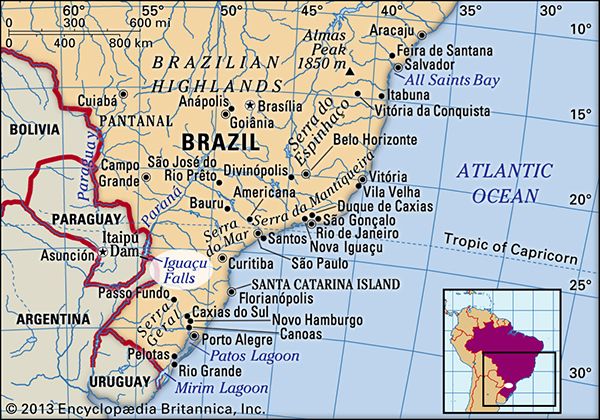
Garganta del Diablo, also known as the "Devil’s Throat," is a spectacular, narrow, semicircular chasm that forms a major portion of the Iguaçu Falls. Located…
What is Garganta del Diablo?
Garganta del Diablo, also known as the “Devil’s Throat,” is a spectacular, narrow, semicircular chasm that forms a major portion of the Iguaçu Falls. Located on the Río Iguazú at the border of Argentina and Brazil, this massive cataract features water that roars down a descent of 269 feet (82 metres).12
The force of the water plunging into this abyss is often described as an ocean falling into a chasm, creating a curtain of mist that rises approximately 500 feet (150 metres) into the air. Also referred to as Union Falls, this section offers impressive views from both the Brazilian and Argentine sides of the border. It remains one of the most iconic features of the larger waterfall system, which is protected by the Iguaçu National Park in Brazil and Iguazú National Park in Argentina.2
How do Iguazu Falls compare in size to Niagara and Victoria Falls?
When comparing Iguaçu Falls, Niagara Falls, and Victoria Falls, the differences in scale and structure are significant:
- Width: Iguaçu Falls is the widest of the three, extending approximately 1.7 miles (2.7 km), which is nearly three times wider than Niagara Falls and significantly wider than Victoria Falls. Victoria Falls spans more than 5,500 feet (1,700 metres), making it roughly twice as wide as Niagara Falls.34
- Height: Victoria Falls is the tallest, with a maximum drop of 355 feet (108 metres). Iguaçu Falls consists of cataracts varying between 200 and 269 feet (60 and 82 metres) in height. Niagara Falls, while not explicitly given a single total height in the provided text, is noted for its blocky dolomite cap and significant retreat over time.435
- Structure: Iguaçu Falls is divided into approximately 275 separate cataracts by rocky and wooded islands. Victoria Falls plunges into a narrow chasm rather than an open basin, with the entire volume of the Zambezi River forced through a narrow gorge.34
What wildlife can be found in the national parks surrounding the falls?
The national parks surrounding the Iguaçu Falls—Iguaçu National Park in Brazil and Iguazú National Park in Argentina—are home to a diverse and abundant array of wildlife, though the animal populations remain less studied than the region’s flora.27
Commonly observed animals in the area include:
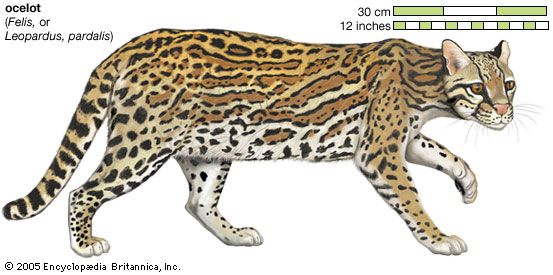
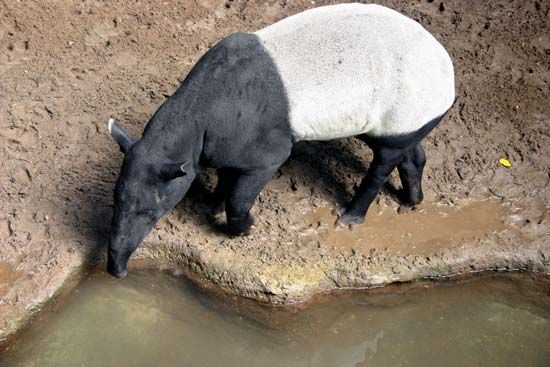
- Mammals: The parks host several members of the cat family, such as jaguars and ocelots, as well as tapirs and deer.2
- Reptiles: Iguanas are a frequent sight for visitors.2
- Birds: The region is known for its variety of bird life, most notably toucans.2
- Fish: The river waters contain species such as the dorado (golden salmon), mandi, and cascudo.2
These parks were established specifically to preserve the wildlife and vegetation of the region, which features a rich mix of tropical and semi-deciduous plant life.27
Why are the Iguazu Falls considered a UNESCO World Heritage site?
Iguaçu Falls and the surrounding national parks were designated as UNESCO World Heritage sites primarily to preserve the region’s exceptional natural value. The Iguazú National Park in Argentina received this status in 1984, followed by the Iguaçu National Park in Brazil in 1986.2
The designation recognizes the area’s commitment to protecting:
- Scenic Beauty: The falls themselves are a globally significant natural wonder, featuring a massive, horseshoe-shaped series of approximately 275 cataracts that span 1.7 miles (2.7 km).2
- Vegetation: The parks safeguard a rich and diverse botanical landscape that transitions from semi-deciduous to tropical, including unique species like the Podostemaceae family, which thrives specifically on the rocky ledges of the falls.2
- Wildlife: The protected areas serve as a vital habitat for a wide variety of animals, including jaguars, ocelots, tapirs, and numerous bird species such as toucans.2
Sources
- Garganta del Diablo — Encyclopædia Britannica
- Iguaçu Falls — Encyclopædia Britannica
- waterfall — Encyclopædia Britannica
- river - High plateaus — Encyclopædia Britannica
- river - Glaciated mountains — Encyclopædia Britannica
- Victoria Falls — Encyclopædia Britannica
- South America - Human influences on wildlife — Encyclopædia Britannica
- Iguaçu River — Encyclopædia Britannica
Published on · 3 min read