Indian Tobacco
The term "Indian tobacco" most commonly refers to Lobelia inflata, a North American annual plant in the Campanulaceae family. While it was historically used…
What is Indian tobacco?
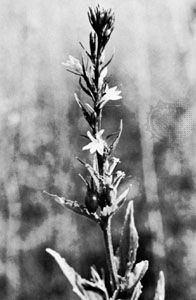
The term “Indian tobacco” most commonly refers to Lobelia inflata, a North American annual plant in the Campanulaceae family. While it was historically used in medicine as an expectorant, it is now considered poisonous. The plant contains a volatile alkaloid called lobeline, which has a tobacco-like odor but is highly dangerous if ingested, potentially causing nausea, vomiting, coma, or even death.123
Additionally, the name is sometimes used to describe a wild tobacco species, Nicotiana quadrivalvis (synonym N. bigelovii), found in dry valleys from southern California to southern Oregon. It is important to distinguish these from the various types of tobacco used in Native American culture, which played significant ceremonial, spiritual, and medicinal roles and were often central to social life and community rituals.24
How does Lobelia inflata differ from common tobacco?
Lobelia inflata, commonly known as Indian tobacco, is fundamentally different from common tobacco (Nicotiana species). While they share a similar name and the presence of alkaloids, they belong to entirely different botanical families and possess distinct chemical profiles.
Botanical Differences
- Family: Lobelia inflata belongs to the Campanulaceae (bellflower) family. In contrast, common tobacco belongs to the Solanaceae (nightshade) family.14
- Physical Characteristics: L. inflata is an annual herb featuring small, bilaterally symmetrical, pale blue or white flowers and inflated, oval fruit capsules.12
Chemical and Toxicological Differences
- Active Alkaloids: The primary active constituent in L. inflata is lobeline, a volatile liquid alkaloid. While lobeline has a tobacco-like odor and has been used as a smoking deterrent or respiratory stimulant, it is highly toxic.45
- Toxicity: Unlike common tobacco, which is primarily consumed for the effects of nicotine, L. inflata is now regarded as poisonous. Ingestion of even small amounts of its leaves or seeds can lead to severe symptoms, including nausea, vomiting, convulsions, and coma, and can be fatal.14
What are alkaloids and why are they found in plants?
Alkaloids are a diverse class of naturally occurring, nitrogen-containing organic compounds found primarily in plants. They are characterized by their basic (alkali-like) chemical properties and often possess a bitter taste.6
Why Plants Produce Alkaloids
While the exact function of alkaloids in plants is not fully understood, they are classified as secondary metabolites—complex chemicals that plants produce to aid in their survival. Researchers suggest several key roles for these compounds:678
- Defense Against Herbivores: Many alkaloids act as chemical deterrents, protecting plants from being consumed by insects or other animals.678
- Protection: These compounds may help plants defend against pathogens, compete with neighboring plants, or mitigate the effects of radiation.8
- Metabolic Regulation: In some species, alkaloid concentrations fluctuate significantly during the plant’s life cycle, such as increasing before seed formation, which suggests they may play a specific role in reproductive processes.6
- Waste Products: Historically, some scientists suggested that alkaloids were simply metabolic waste products, though current evidence increasingly points toward them serving active biological functions.6
Because these chemicals interact with the nervous systems of animals, they have been utilized by humans for centuries in medicine, as stimulants, and occasionally as poisons.68
How did Native American cultures use plants in rituals?
In many Native American cultures, plants have long served as essential conduits for spiritual, medicinal, and social practices. These botanical traditions are deeply rooted in a reverence for nature, where plants are viewed as gifts that nourish both the body and the spirit.3
The Four Sacred Medicines
Among many groups, particularly the Anishinaabe, four plants are held in high regard for their ceremonial and healing roles:3
- Tobacco (asemaa): Considered a primary medium for communication with the spirit world, its smoke is believed to carry prayers directly to the Creator. It is used in the sacred pipe, offered at sunrise, and presented as a gift to elders or when seeking wisdom.39
- Cedar (giizhik): Used for purification and protection, cedar is burned during smudging ceremonies to eliminate negative energy and is often used in sweat lodges.3
- Sage (mashkodewashk): This plant is used to clear the mind, provide comfort, and prepare individuals for gatherings or ceremonies through smudging.3
- Sweetgrass (wiingashk): Known as the “sacred hair of Mother Earth,” it is often braided and used to attract positive energy and purify spaces.3
Ritual and Ceremonial Use
Beyond these four, other plants have played significant roles in pharmacological and spiritual traditions. The Native American Church utilizes peyote in highly symbolic, night-long ceremonies, viewing it as a source of protection, healing, and divine guidance. Historically, various hallucinogenic plants were also central to shamanistic rituals, serving as tools for communicating with the supernatural. These practices often took place at medicine wheels—sacred sites that align with cardinal directions and celestial events, symbolizing the interconnectedness of all life.1093
Sources
- Indian tobacco — Encyclopædia Britannica
- Indian tobacco — Merriam-Webster
- smoking - Tobacco in New World culture — Encyclopædia Britannica
- lobelia — Encyclopædia Britannica
- lobeline — Merriam-Webster
- alkaloid — Encyclopædia Britannica
- mimicry - The chemical basis for repulsion — Encyclopædia Britannica
- 9 Mind-Altering Plants — Encyclopædia Britannica
- four sacred medicines — Encyclopædia Britannica
- Ethnobotany — Encyclopædia Britannica
- drug cult - History of drug use in religion — Encyclopædia Britannica
Published on · 4 min read