Ireland
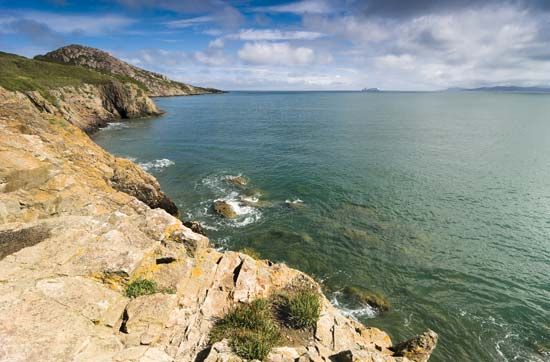
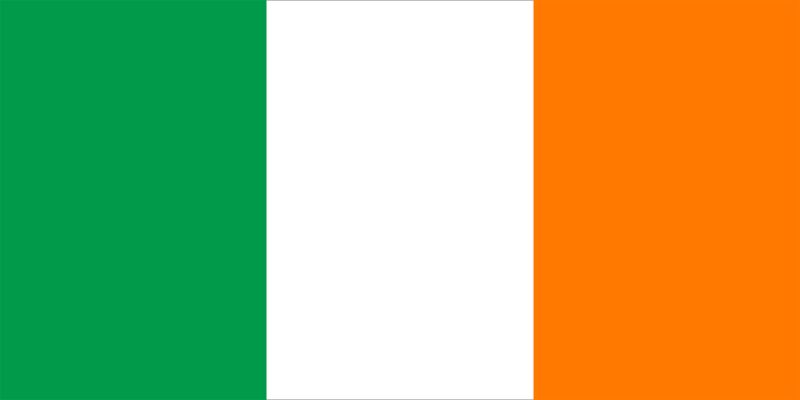
Ireland is a country in western Europe that occupies five-sixths of the island of the same name, which is the westernmost major island of the British Isles.…
What is Ireland?
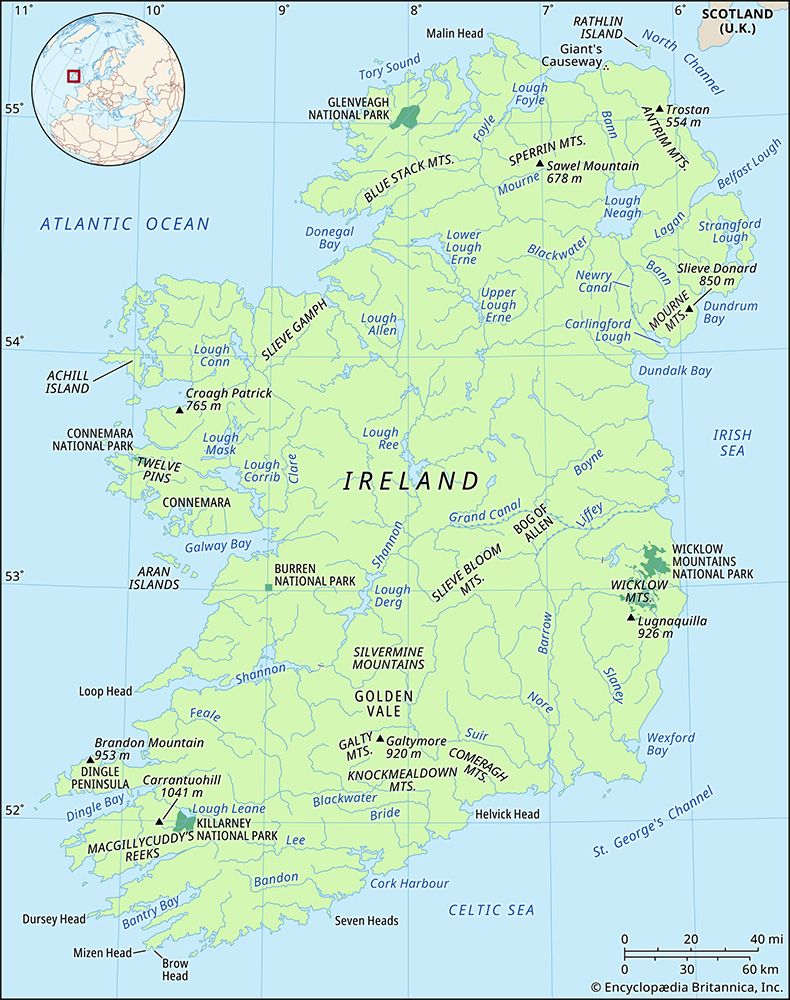
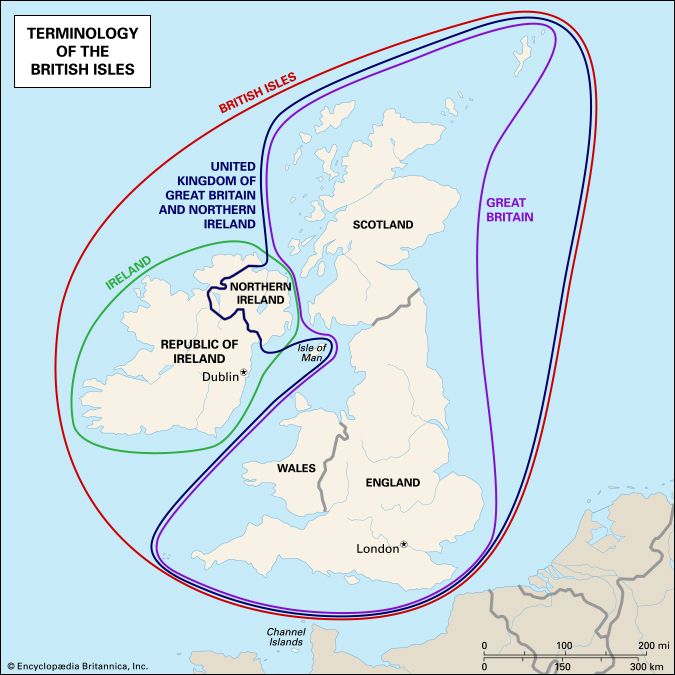
Ireland is a country in western Europe that occupies five-sixths of the island of the same name, which is the westernmost major island of the British Isles. The remaining one-sixth of the island comprises Northern Ireland, which is part of the United Kingdom.123
Geographically, the island is separated from Great Britain by the North Channel, the Irish Sea, and St. George’s Channel. Known as the “Emerald Isle” for its pervasive green grasslands, the country has a rich cultural heritage historically linked to the Gaelic language.41
Politically, the Republic of Ireland is a sovereign state with its capital in Dublin. It emerged as an independent entity following the 1921 Anglo-Irish Treaty, eventually becoming a republic in 1949. Today, it is an integrated member of the European Union is an integrated member of the European Union.124
What is the significance of the Good Friday Agreement?
The Good Friday Agreement, signed on April 10, 1998, is a landmark accord that effectively ended three decades of violent sectarian conflict in Northern Ireland known as the Troubles.
Its significance lies in establishing a framework for peace through three administrative “strands”:
- Devolved Government: It created the Northern Ireland Assembly to manage local affairs, facilitating a power-sharing arrangement between unionists and nationalists.
- Cross-Border Cooperation: It institutionalized cooperation between the governments of Ireland and Northern Ireland.
- Intergovernmental Relations: It ensured ongoing consultation between the British and Irish governments.
The agreement was pivotal in shifting the region from a state of civil war—marked by bombings and assassinations—toward a political process. Notably, it led the Republic of Ireland to remove its constitutional territorial claims to Northern Ireland and prompted the United Kingdom to yield direct rule. While sectarian divisions persisted, the accord provided the essential structure for long-term stability and democratic governance in the region.78

How did Irish missionaries influence early European history?
During the 6th and 7th centuries, Irish missionaries played a vital role in the religious and intellectual development of early medieval Europe. Driven by a commitment to an austere monastic life, they traveled extensively to convert pagan tribes and establish centers of faith and learning across the continent.910
Key contributions included:
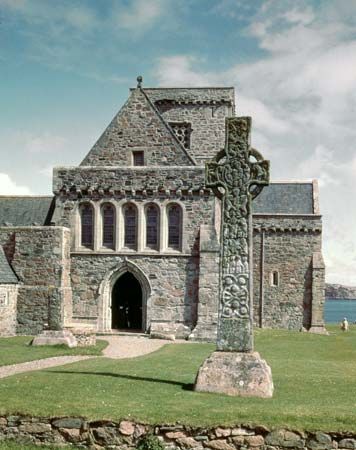
- Expansion of Christianity: St. Columba founded the monastery of Iona in 563, which served as a base for the Christianization of Scotland. Its offshoot, Lindisfarne, was instrumental in converting Northumbria in England.910
- Centers of Learning: St. Columban founded influential monasteries such as Luxeuil in Gaul, Bobbio in Italy, and St. Gall in Switzerland. These institutions became essential repositories for ancient literature and classical scholarship, helping to preserve knowledge during a period of significant social upheaval.910
- Continental Influence: Successors of Columban continued this work, converting the Frisians and much of Germany while founding major monasteries like Fulda.10
Though their individualistic approach eventually led to their system being supplanted by the Roman administrative model, their efforts were foundational to the spiritual and cultural landscape of early Europe.911
What are the four traditional provinces of Ireland?
The four traditional provinces of Ireland are:
- Ulster: Located in the north, it is historically significant for its role in early Irish literature and its later division into Northern Ireland and the Republic of Ireland.12
- Leinster: Situated in the east, this province includes the capital city of Dublin and has historically been a center of political power.122
- Munster: Located in the south, it was a powerful kingdom that frequently challenged for the high kingship of Ireland, with its capital at Cashel.2
- Connaught (also spelled Connacht): Situated in the west, this province was historically associated with the midland kingdom of Meath and played a key role in early Irish political history.122
These provinces, which were formally established as ecclesiastical divisions in the 12th century, reflect the natural geographic and cultural divisions of the island.13
Sources
- Ireland - Land — Encyclopædia Britannica
- Ireland - History — Encyclopædia Britannica
- Ireland - Political process — Encyclopædia Britannica
- Ireland — Encyclopædia Britannica
- Why Is Ireland Two Countries? — Encyclopædia Britannica
- Northern Ireland - Land — Encyclopædia Britannica
- Good Friday Agreement — Encyclopædia Britannica
- the Troubles — Encyclopædia Britannica
- Ireland - Irish monasticism — Encyclopædia Britannica
- classical scholarship - The early Middle Ages — Encyclopædia Britannica
- St. Columban: Top Questions — Encyclopædia Britannica
- Ulster — Encyclopædia Britannica
- Ireland - Early political history — Encyclopædia Britannica
- Northern Ireland - Early Ulster — Encyclopædia Britannica
Published on · 3 min read