Europe
Transportation systems in Europe connect countries through integrated networks of railways and highways, supported by international agreements that…
How do transportation systems, like railways and highways, connect different European countries?
Transportation systems in Europe connect countries through integrated networks of railways and highways, supported by international agreements that facilitate movement.
Railways
European railways link major cities and ports, extending to international frontiers where they connect with neighboring systems. While historical differences in track gauge once posed challenges, countries have adopted standard gauges or developed technology to adjust train wheels. A significant development is the integrated network of high-speed trains, such as the French TGV, the German ICE, and the Spanish AVE, which are increasingly interconnected. Notable infrastructure projects, such as the Channel Tunnel and the Gotthard Base Tunnel, further bridge geographical barriers like mountain ranges and bodies of water.12
Highways
Europe features a vast network of high-speed, limited-access expressways that provide rapid transit for commerce and travel2. These systems, such as the German autobahn, maintain direct transfrontier connections with neighboring countries, including France, Denmark, and Austria.3
Policy Integration
The Schengen Agreement has been vital in fostering connectivity by reducing internal border controls, allowing for the free movement of people and goods across many European nations.4
How has climate change affected different regions of Europe?
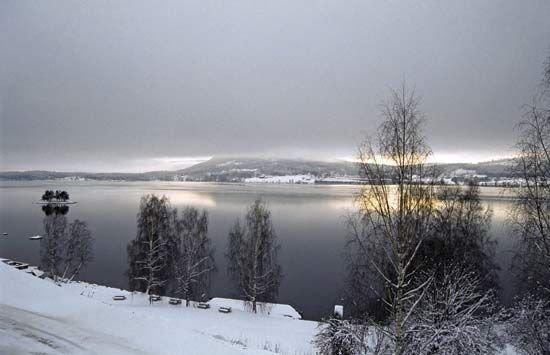
Climate change has significantly impacted Europe, manifesting through rising temperatures, shifting precipitation patterns, and increased weather instability. While the continent has historically experienced natural climate variability—such as the Little Ice Age (c. 1300–1850)—the warming observed over the last 150 years, particularly in the late 20th century, is largely attributed to the accumulation of greenhouse gases.6
The regional effects of these changes include:
- Weather Extremes: Climate change has made weather systems more unstable, leading to more severe heat waves, intense snowstorms, and dangerous floodsmeteorology), intense snowstorms, and dangerous floods.11
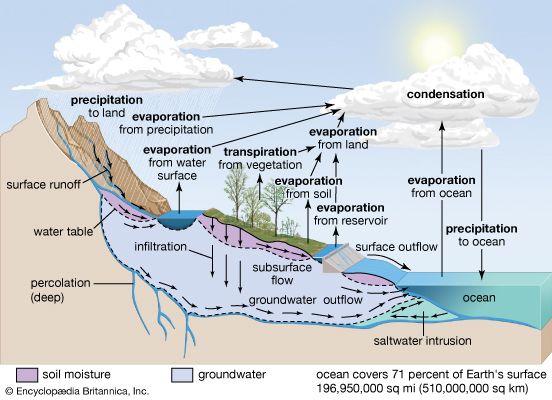
- Precipitation and Drought: Projections indicate decreased summer precipitation across Europe. Combined with higher surface temperatures and increased evaporation, this is expected to reduce soil moisture, heightening the risk of drought in many regions.7
- Environmental and Infrastructure Stress: Warming contributes to glacier retreat, biodiversity loss, and increased risks of wildfires. These shifts also place significant stress on human infrastructure and agricultural systems.8
These impacts vary across Europe’s diverse climatic zones, from the Mediterranean climate of the south to the more continental and subarctic regions of the north and east.91011
How does the European Union function, and which countries are members?
The European Union (EU) is an international organization of 27 member countries that governs common economic, social, and security policies. Established by the Maastricht Treaty, which took effect in 1993, the EU aims to enhance political and economic integration, including the use of a single currency, the euro.1314
How the EU Functions
The EU operates through several key institutions that manage its legislative, executive, and judicial functions:
- European Commission: Formulates policies, monitors compliance, and oversees the execution of EU law.15
- Council of the European Union: The main decision-making body, consisting of ministerial representatives from member states who approve legislation.15
- European Parliament: Directly elected by citizens, it shares legislative and budgetary powers.15
- European Court of Justice: Interprets EU law and ensures it is applied uniformly across all member states.15
- European Council: Composed of the leaders of member countries, it defines the long-term political agenda.15
Member Countries
The current 27 member states are: Austria, Belgium, Bulgaria, Croatia, Cyprus, the Czech Republic, Denmark, Estonia, Finland, France, Germany, Greece, Hungary, Ireland, Italy, Latvia, Lithuania, Luxembourg, Malta, the Netherlands, Poland, Portugal, Romania, Slovakia, Slovenia, Spain, and Sweden.13
What are the geographical boundaries and major regions of Europe?
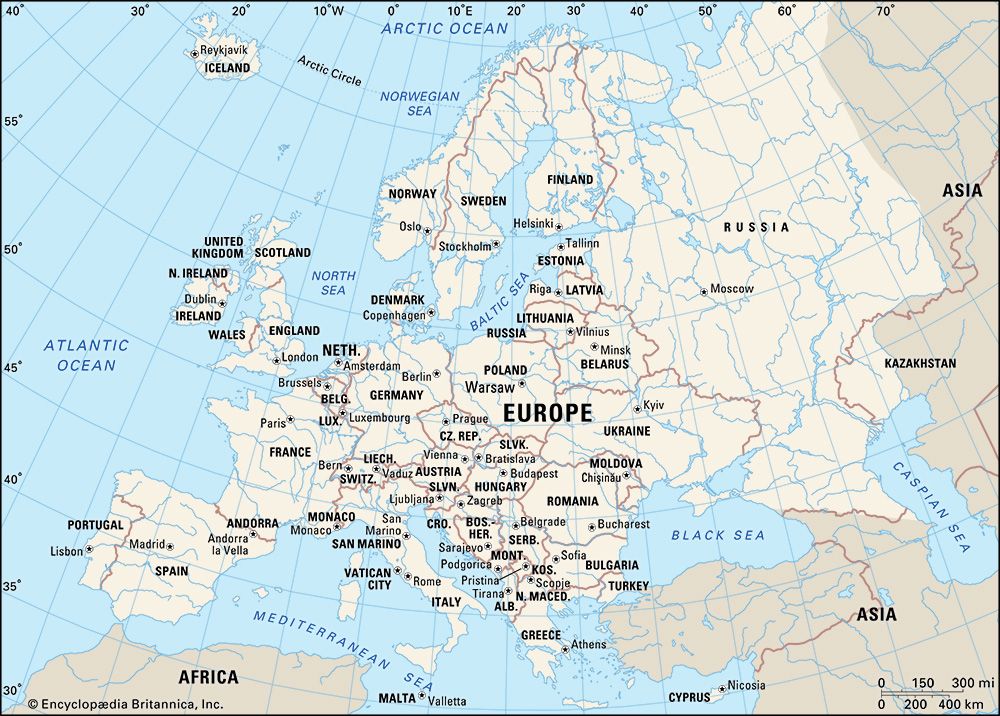
Europe is the second-smallest continent, forming the western portion of the Eurasia landmass. Its boundaries are defined by both natural features and long-standing geographical conventions.
Geographical Boundaries
Europe’s borders are relatively distinct on its seaward sides but have been the subject of historical debate regarding its eastern limit with Asia:
- North: Arctic Ocean
- West: Atlantic Ocean
- South: Mediterranean Sea, Black Sea, Kuma-Manych Depression, and the Caspian Sea.
- East: The traditional boundary runs along the Ural Mountains and extends southwest along the Emba River to the northern Caspian coast. Alternative schemes sometimes include parts of the Caucasus region within Europe.1718
Major Regions and Features
Europe is characterized by a highly irregular coastline and diverse physical landscapes, including major peninsulas such as the Iberian, Italian, Balkan, and Scandinavian peninsulas.17
More than half of the continent consists of lowlands, which are critical for human settlement and agriculture. These include:
- Northern Lowlands: Characterized by glacial deposits, lakes, and fertile plains extending from the Baltic Sea to the White Sea.19
- Interior Basins: Regions like the Paris and London basins, as well as the Danubian and northern Italian lowlands, which are often ringed by mountains.19
Sources
- Europe - Railways — Encyclopædia Britannica
- Europe - Roads — Encyclopædia Britannica
- Schengen Agreement — Encyclopædia Britannica
- railroad - Western Europe — Encyclopædia Britannica
- Germany - Highways of Germany — Encyclopædia Britannica
- Europe - Central European climate — Encyclopædia Britannica
- Little Ice Age — Encyclopædia Britannica
- Climate change - Centennial-scale variation — Encyclopædia Britannica
- Europe - Mediterranean climate — Encyclopædia Britannica
- Europe - The effects of climate — Encyclopædia Britannica
- Climate change - Effects of climate change — Encyclopædia Britannica
- Global warming - Precipitation patterns — Encyclopædia Britannica
- European Union — Encyclopædia Britannica
- history of Europe - Ever closer union? — Encyclopædia Britannica
- European Union - Creation of the European Economic Community — Encyclopædia Britannica
- European Union - The Maastricht Treaty — Encyclopædia Britannica
- Europe — Encyclopædia Britannica
- Europe - Coastal and interior lowlands — Encyclopædia Britannica
- Ural Mountains - Physiography — Encyclopædia Britannica
- Ural Mountains — Encyclopædia Britannica
Published on · 4 min read